oatmeal bread
By VicentaLakin
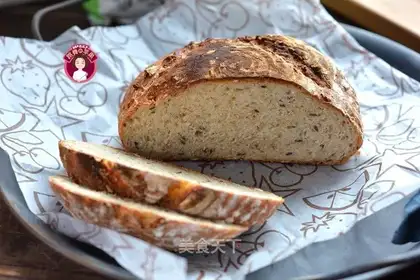
It's becoming more popular, especially when it's fresh, and it's soft and humid. Most European bags are used only four materials: flour, yeast, salt, water. It is healthier because of the lack of materials such as butter, milk, eggs and sugar, which are the preferred carbohydrates for many fitness workers. With the addition of grain coarse grains, it not only obtains many trace elements, but also increases intestinal creeping, with no difficulty in “gravity”. It's difficult to make home-based European buns, mainly because most of the maximum temperature in home-based ovens is only 230 degrees, plus some temperature differentials and the inability to spray enough steam, so it's too easy to bake or baker-like. Despite many practices, they were not as satisfactory as they were taught to teachers. It seems like it's out of reach to make a bag at home? No. I found this bread premix, and all the materials were matched, and even oats were set up. All I had to do was join the room with cool water and mix it up in full. When the first or second fermentation was done, it would be done by baking in the oven. My 70-year-old mother likes to eat oak buns, don't look like she's got a denture, but she likes to chew on her crust! We both looked forward to this bread, and I caught a few pictures of it, and then Mom and I were so busy eating together. It's salty, impure, impure, fine, fragrance, fragrance
Steps for oatmeal bread
1
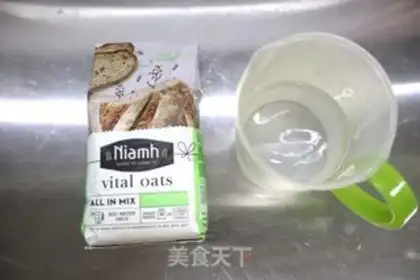
Niamhniaf Vibrant oatmeal prep and room cold water ready。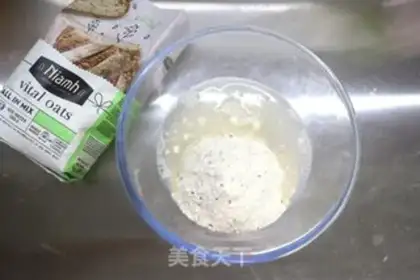
2
Three hundred grams of oatmeal premixed into the basin, pouring into 60 per cent of cool water; this premix has been filled with dry yeasts, salt, and oats and other grain particles are visible in the eye, with no additional material, but with appropriate water。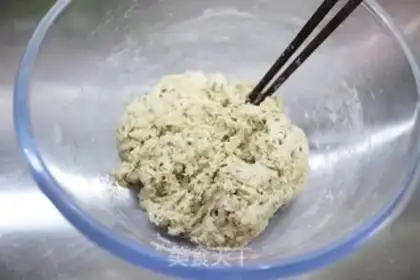
3
Powders and water are evenly mixed with dry powder with chopsticks, and flour contains dry yeasts that want all the dry yeasts to melt into the noodles, which can mix for a while, and fully release the yeast energy。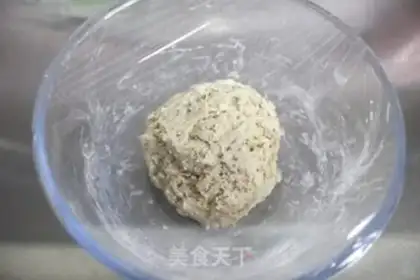
4
The fermentation is naturally carried out at room temperature, with the face of the basin covered with a fermentation film; it is now about 28-30 degrees in the northern summer, without fermentation in a fermentation or oven。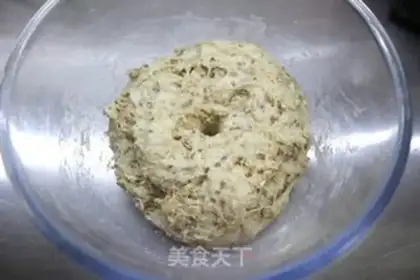
5
The noodles are twice the size of the original, with a clear network organization that allows them to meet, as well as a wide variety of grains throughout them; finger-stamped flour piercs the top of the flour, does not collapse and has a slight retrenchment and fermentation success。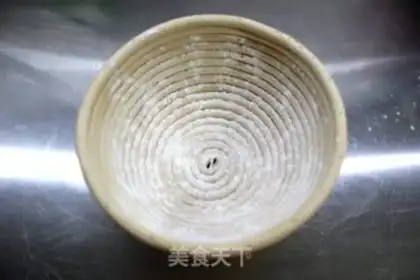
6
The fermentation basket is evenly distributed with a moderate amount of high-banded flour to prevent the flour from adhesing on it。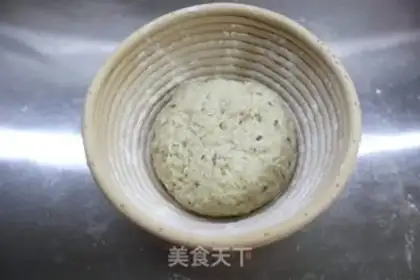
7
Put the fermented face on the board, gently beat the exhausts, rubbing down a few shapes, and spread the smooth side towards the fermented basket; the fermented film is repeated in the warm room。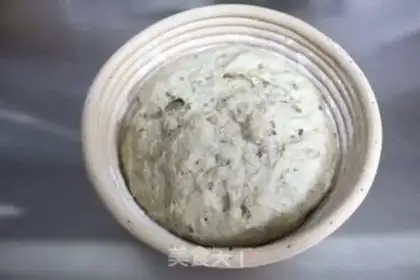
8
Flour is twice the original size; the oven can be preheated at 210 degrees at this time。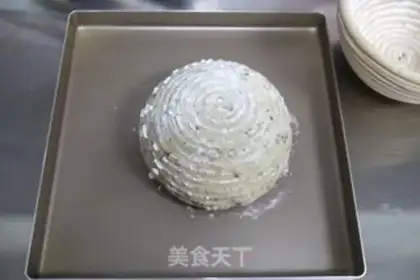
9
Put the non-gluceous grill on the fermentation basket, and then the bread drops on it; it's got a natural bouquet on it, and it's done right there。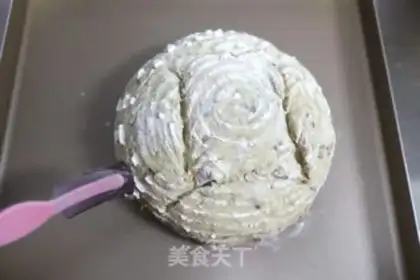
10
And you can cut them with a cutter. You can do it faster, you can do it deeper。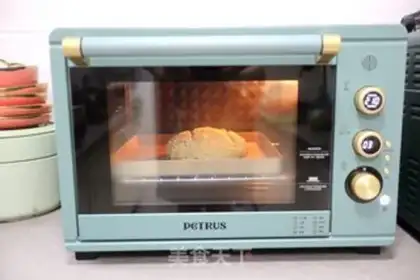
11
The bread is delivered to the lower part of the pre-heated oven, 180 degrees of fire, 210 degrees of fire, 25 minutes of fire, and when it is released, it is laid on a dryer and stored in a bag. The bread is eaten when it's hot, the skin is soft, soft and wet inside; the skin is cold, it tastes a little “skin” and wants to recover it and reheated in the oven at 180 degrees for about five minutes。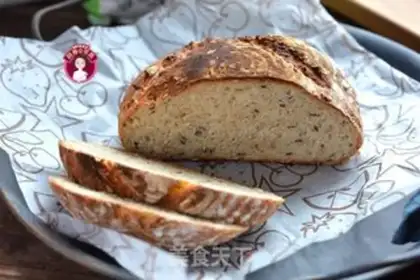
12
oatmeal bread, soft inside, healthyoatmeal bread Make Tips
The flour used in the recipe is a “newly fine” niamhniav dynamic oatmeal premix introduced from Belgium, with a percentage of dry yeasts, salt and a variety of grains added to it, using simple formulas, with 60 per cent of the flour volume of room warm and cool water, and full and evenly mixed; if the dry yeasts in the flour are to function better, they can be mixed for a while so that the dry yeasts can be fully melted into the dough; 2. The bread is of a variety, can be large, round, free of moulds, and can be cut with no cleavers; and the temperature and timing of the baker is to be adjusted to the actual situation in the oven, the size of the face, and the material of the mould used。