Chinese cabbage is a frequent visitor to the winter table. It is known as "winter cabbage is as beautiful as bamboo shoots". It has high nutritional value and contains more than 90% cellulose. It also contains vitamin C, vitamin E, etc. In autumn and winter when the air is particularly dry, Eat more cabbage can have skin care and beauty effects.
If Chinese cabbage wants to become a delicacy, there are some things to pay attention to when cooking: wash it first and then cut it; it is not advisable to use the method of squeezing the juice after boiling to avoid a large loss of nutrients. Especially Chinese cabbage should be cut vertically. Some studies have shown that cutting this way is better for preserving water. Secondly, cutting cabbage in this way is easier to ripen and reduces vitamin loss; thirdly, cutting Chinese cabbage along the silk can retain more crude fiber, which is more conducive to stimulating intestinal peristalsis.
Chinese cabbage can be fried, and can also be made into pickled cabbage, pickles, pickles, pickled vegetables, dried vegetables, etc. It is an "all-round vegetable".
Stewed shrimp with Chinese cabbage
By CarrieCorwin
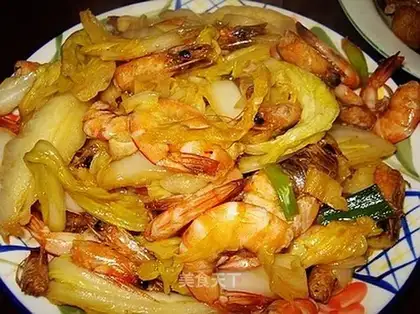
Recipe Recommendations
- Chinese cabbage appropriate amount
- shrimp appropriate amount
- onion appropriate amount
- Jiang appropriate amount
- cooking wine appropriate amount
- vinegar appropriate amount
- sugar appropriate amount
- salt appropriate amount
Steps for Stewed shrimp with Chinese cabbage
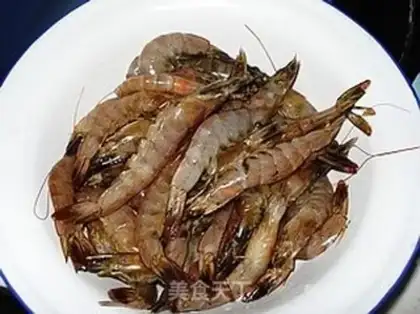
1
The shrimp are ready.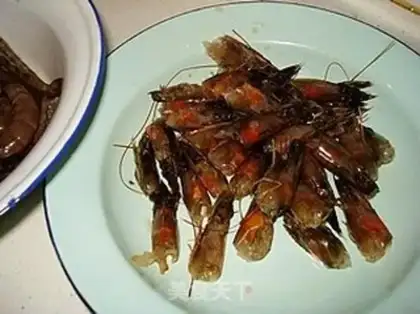
2
Cut off the shrimp head.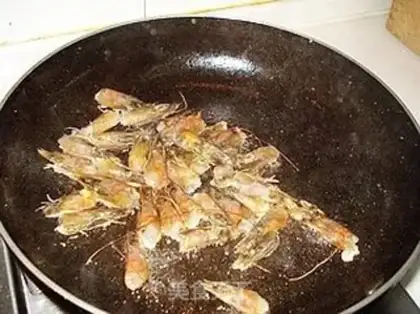
3
Remove the frying pan and fry the shrimp heads.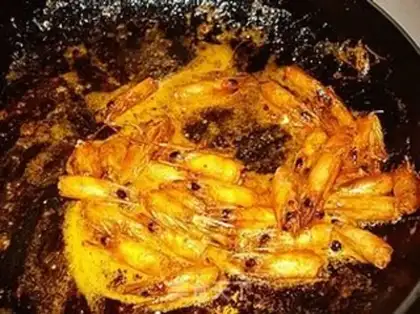
4
stir-fry until red, which is the color of shrimp yellow and is very fragrant.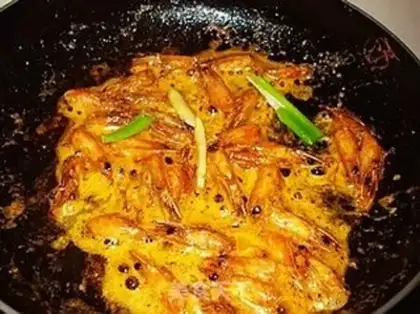
5
Add a little onion and ginger.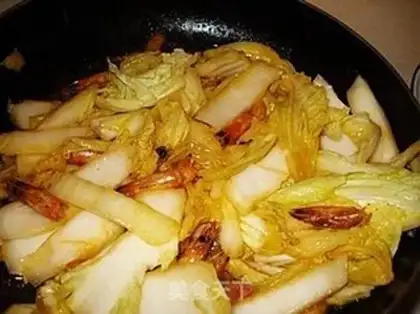
6
Add the Chinese cabbage, stir-fry the water, cut off the raw, and serve out.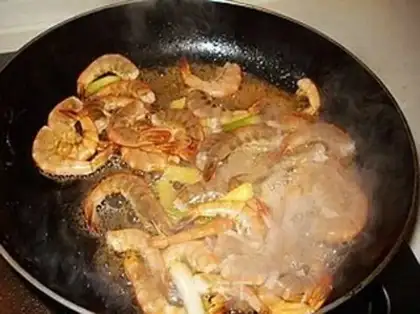
7
Add oil to the pan, stir-fry the shrimp body, add onions, ginger, cooking wine, and a little white vinegar, sugar, and salt to stir-fry together.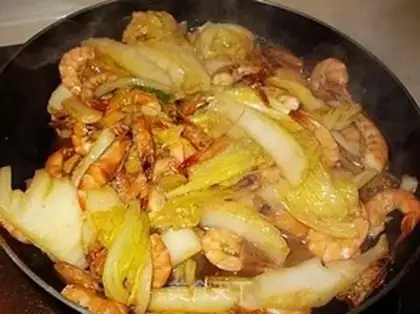
8
Return the cabbage to the pot and stew it thoroughly to allow the leaves to fully absorb the soup, so the cabbage is very delicious.