Crabs are rich in protein and trace elements, which have a good nourishing effect on the body. Crabs also have anti-tuberculosis effects, and eating crabs is of great benefit to the recovery of tuberculosis.
applicable population
It is suitable for people with traumatic injuries, broken muscles and bones, blood stasis and swelling, residual placenta of pregnant women, sudden contraction and weakness in pregnant women during labor, and delay in the fetus, especially crab claws.
Curry consists of many spices, such as cloves, cinnamon, fennel, cumin seeds, cardamom, coriander seeds, mustard seeds, carrot, black pepper, pepper, and turmeric powder used for coloring... These spices each have a unique aroma and taste, some spicy and some aromatic. When kneaded together, whether they are paired with meat, seafood or vegetables, they will be combined to bloom into diverse levels that seem to conflict and coordinate with each other. The taste is the most intoxicating part of curry.
In winter, curry is used to make crabs. The spicy taste of the curry powder effectively weakens the cold nature of the crabs, which really complements each other!
Curry crab

Recipe Recommendations
Steps for Curry crab

1
Brush the crabs clean with a brush.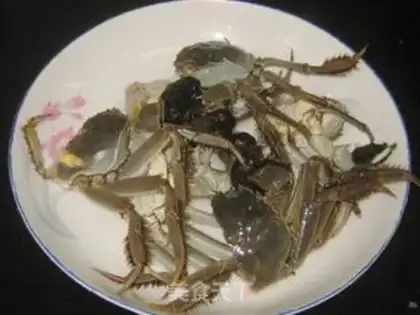
2
Yes, cut open, remove the bottom cover, and remove the stomach.
3
The oil in the pan is hot, put down the ginger slices and crabs, add cooking wine and stir-fry.
4
After the crab turns color, add water and starch.
5
Add curry powder and stir well.
6
Add sugar, soy sauce, and cook for 7 minutes over high heat.
7
Add salt, chopped green onion, and stir well.Curry crab Make Tips
Crabs are cold, and those with cold stomachs eat less.