Poland's multi-bag
By VicentaLakin
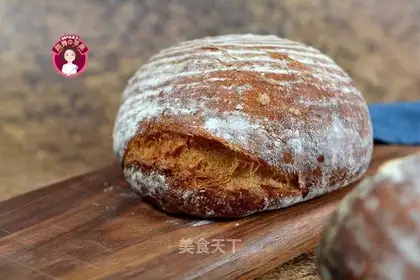
Recently, I've been fascinated with O'Back, and I've tried several ways to make a decent European pack with a regular oven. Based on practice and formulations, the European package is a large variety of food staples in Western countries and has become more popular at home in recent years. It's more healthy than the sweet bread, which has less food, which is mainly flour, less sugar and less oil, which is mostly flour, yeasts, salt, water, and it's, in my eyes, a decent food and a favor. Homemade ovens are difficult to succeed because of insufficient temperature and lack of steam. The temperature limit for small domestic ovens is mostly 230 degrees; even now popular steam ovens are difficult to provide enough steam for a moment. After a while, while there is still a gap between the real and the real, I'm close to it from the outside. It's brown, it's chewy, it's soft, it's fragrance, it's fragrance, especially when it's fresh。
Recipe Recommendations
- high-gluten flour 100 grams
- dry yeast 1 gram
- Room temperature water 100 grams
- multi-grain bread flour 400 grams
- white sugar 8 grams
- refrigerated whey 230 grams
Steps for Poland's multi-bag
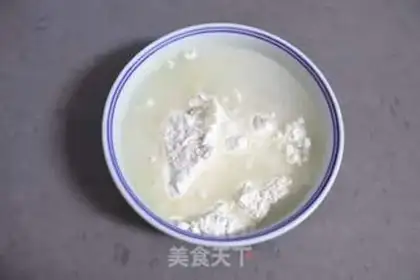
1
Polish seeds are made several hours in advance: 100 grams of high-strength flour, 1 gram of dry yeast, 100 grams of room-temperature water, in a bowl。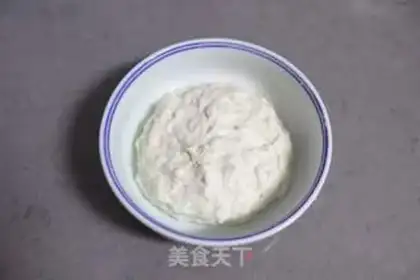
2
Combining is sufficient, with fermentation at the temperature of the membrane chamber or 30 minutes at the chamber temperature, followed by freezing of fermentation in the fridge。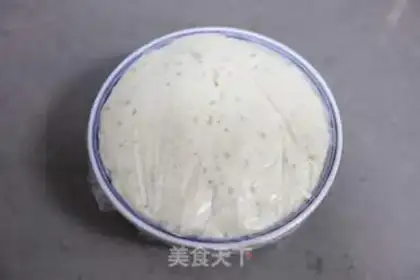
3
The noodles are about three times more usable; the Polish fermented species do not look at time and state。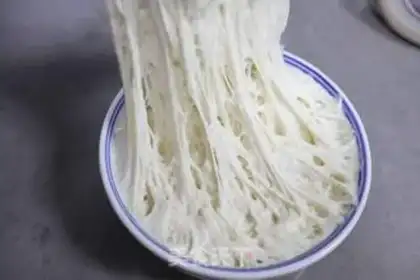
4
The noodles were lifted to see a long lasagna filled with large and small gas holes, very beautiful tissues and no sour smell。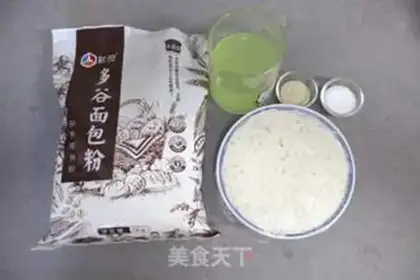
5
Dread bread flour, dry yeasts, a few white sugars, frozen milk water, Polish fermentation is ready; grain bread powder can be replaced by raw bread flour or other bread flour; milk water can be replaced by cheese, which can be replaced by cold water or milk and adjusted for flour intake rates; and white sugar is used in small quantities, which provides nutrients for yeasts, who want salt and can be replaced by 2 grams of salt。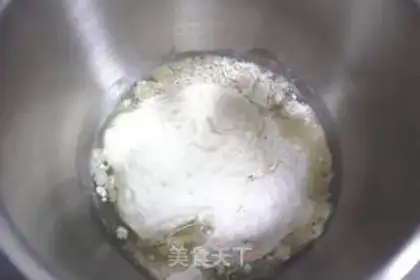
6
Put all the material in the rubbed bucket。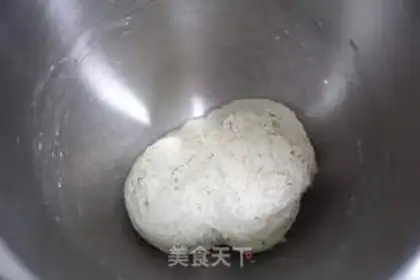
7
The material is convoluted at medium speed and can be pulled out of the thick film。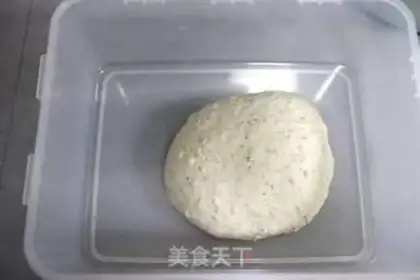
8
The noodles are rounded and placed in a sealed box where the warm and wet base ferments; they are now fermented at room temperature。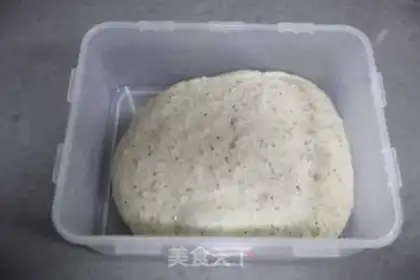
9
The pasta is 2-2.5 times the size of the pasta, with finger-tip flour poking through the top, not falling, slightly convulsing and fermenting。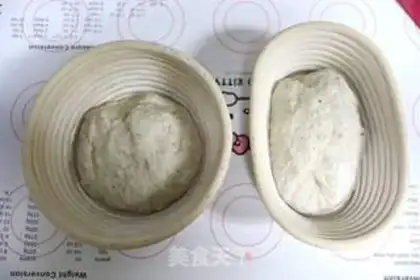
10
Placing the noodles on a rubbing mat, gently beating the exhaust, spreading high-banded flour early in the fermenting basket, divided into two pieces according to the size of the fermentation basket, smoothing the round and moving towards the fermentation basket, which can be fermented naturally for 40 minutes in the oven, at which point the tablets and baking stones will be put in the oven, preheated at 230 degrees, with a desire to make the steam stronger, and the tablets and baking stones can be heated one hour before the baking。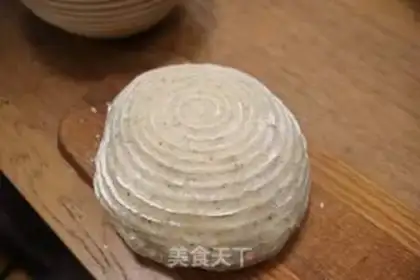
11
Put the fermented bread down on the thin board。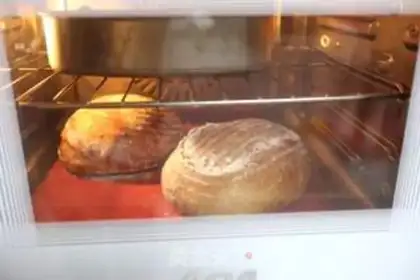
12
My oven is a hidden subheating tablet, with a box of baked stones on the oven, a box of baked stones on the grill, the baked bread is pushed to the tablet, the oven door is closed for three minutes, the oven door is heated for three minutes, the oven door is re-opened, a small glass of cool water is poured into the oven to produce steam, and a few waters are sprayed inside the oven, the oven door is shut, the top and the fire is adjusted to 230/230 degrees for 35 minutes。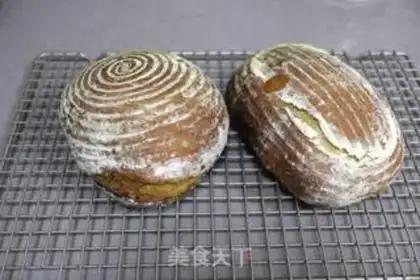
13
Once out of the oven, the bread will be hit twice over the table and the hanger will be dryed and sealed or eaten。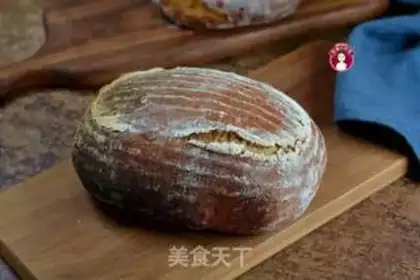
14
Poland's multi-valitable, hot-eat skin, soft insidePoland's multi-bag Make Tips
The amount of flour is about 25 per cent of the volume of the main flour, and the ratio of flour to water is 1:1; the dry yeast is 1 per cent of the flour, which can be fertilized at room temperature and can be frozen in the fridge, not fermented at fermentation times, but based on the condition of the face; it is two to three times larger when the head is not fermented, and the visible blow-out of the surface has a heavy acid bubble; it is slow to use Polish bread, and soft tones for three days; it is possible, in the calculation of the water volume, to obtain a relatively high volume of fertilized flour and even a relatively high volume of fertilized fertilating in the Polish face, which can be controlled at 14 hours, not fermented at the fermentation time, but based on the condition that the temperature of the surface is reduced by 65 per cent; it is also adjusted by the temperature of the surface sheet and the temperature of the sheet, which can be adjusted by the temperature of the amount of the sheet, which is reduced by the amount of six years。