It's a sesame salt
By VicentaLakin
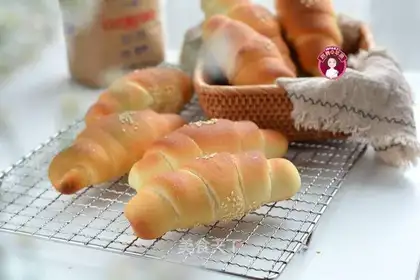
Salt originating in Japan is commendable, because it is in a form that is laudable and famous for using more salt than ordinary bread. Although too much salt is bad for the body, bread is not eaten every day, so try to reduce salt in other foods. The salt out there was so salty, so I made a small adjustment to the recipe in the book, and I made this plate of seven sesame salt today. The surface does not brush egg fluid, and the saline-water process is saved. The salt from the oven is particularly fragrance, especially the sesame base, which contrasts strongly with the soft, buttery core, and would have liked to taste it。
Recipe Recommendations
- bread flour 200 grams
- cake mix 50 grams
- milk powder 10 grams
- fine sugar 20 grams
- whole egg liquid 12 grams
- Lao Mian 35 grams
- cold water 135 grams
- salt 5 grams
- butter 20 grams
- dry yeast 3 grams
- white sesame appropriate amount
- salted butter 28 grams
- unsalted butter 12 grams
Steps for It's a sesame salt
1
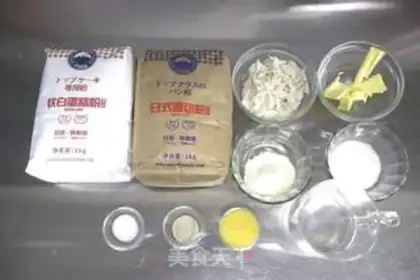
Bread is ready: bread flour, cake powder, old flour, milk powder, butter, sugar, egg fluids, ordinary dry yeast, cool water, salt; salt is more than normal sweet bread; pasta is the last pasta made of bread fermented, frozen and stored in the freezer and used after appropriate cooling。
2
All materials except salt and butter were placed in the wash drums。
3
The material is mixed for one minute at a low speed, then at a slow pace, the face of the face is torn, and it is smoother and then salt is to be added。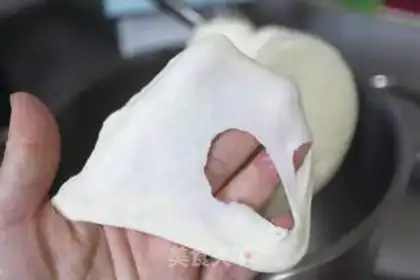
4
One minute of low-speed disturbance and a high-speed bump to the face of the face, allowing for the development of a thick film and the addition of butter。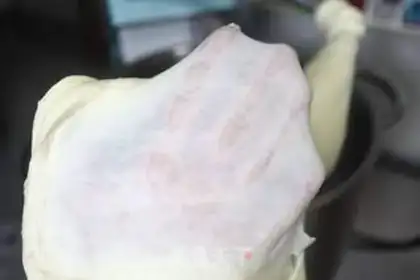
5
A two-minute low-speed bulge allows butter to be fully integrated into the noodles and to switch the high-speed bulges to a soft and glamoured face of the noodles and to produce transparent and resilient film。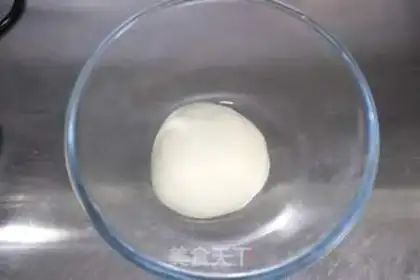
6
Noodles are rounded in the basin and the shampoo is fermented at room temperature; room temperature is now around 25 degrees。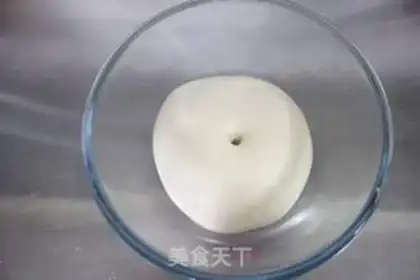
7
The noodles were sent twice as long as two hours ago and the fingers were poked in the top of the flour, without collapse or retreat。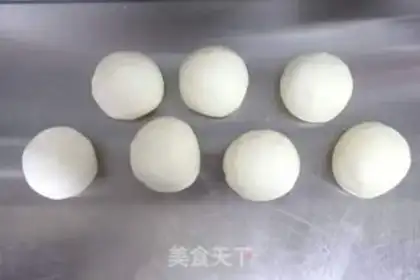
8
The noodles fell down on the operating table, slashed the exhaust, weighing 7 equals, each weighing about 70 grams, and then rounded and covered with a lax 15-20 minutes。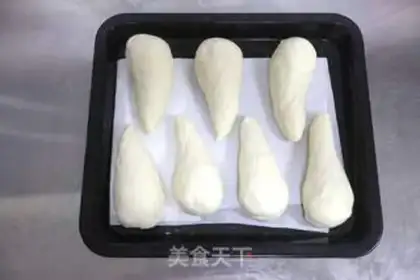
9
The loosely turpentines were dredged into droplets, placed in an oven with oil sheets and frozen in the fridge for 10 minutes。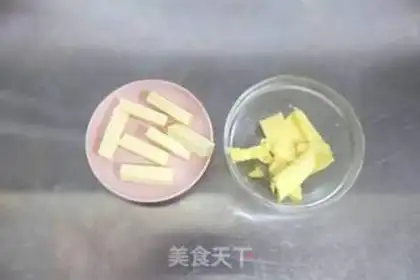
10
The salt butter is prepared in advance and cut into small strips of about 4 grams; it is not used until it is softened out in advance。
11
The 10-minute thawed noodle room is set at 10 minutes' temperature, then retrenched into a pent-up triangle, with a ceiling of approximately 8 centimetres wide and a length of approximately 32 centimetres; a piece of salt butter is placed on the top, with a little salt-free butter on the middle skin。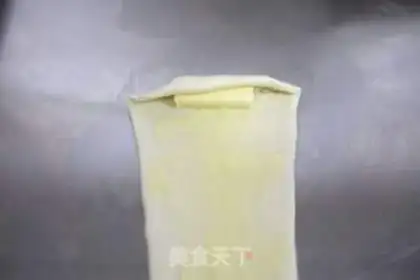
12
The flour will be wrapped in salt butter。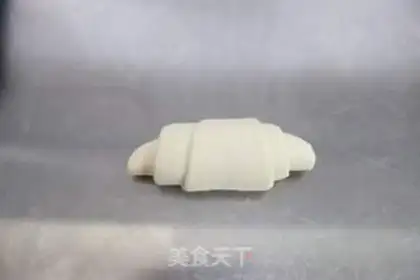
13
Scroll from top to bottom, with the tail down。
14
A little cold water on the bottom, white sesame。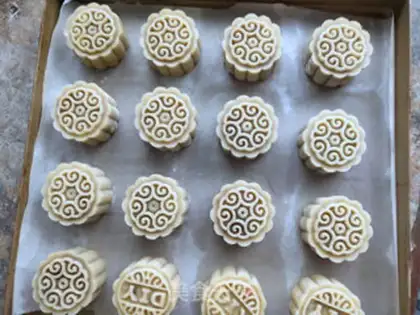
15
The code is in the oven, leaving enough room for expansion between them; fermenting twice in warm environments not above 32 degrees; and I fermented naturally directly in the oven。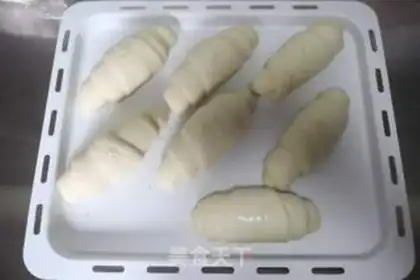
16
Bread is baking up to two times the hour, with a bit of water on the surface and a few white sesames; it can also be swiped on the surface; it can be adhesived to prevent it from swelling; it can be isolated from the adjacent area by a sheet of oil; and the oven is preheated at 190 degrees。
17
The bread is in the middle of a pre-heated oven, with an upper and lower fire of 180/195 degrees for 22 minutes。
18
When the furnace is out, it is moved to the hanger, where it is eaten during the heat, where the bottom is condensed, and when it is cooled, it is stored in a bag。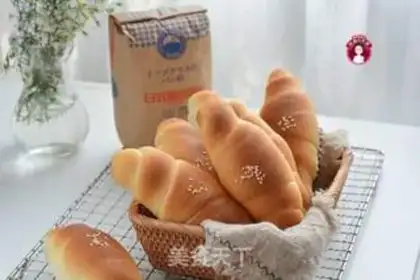
19
The salt of sesame brilliance, the softness of the heart, the softness of the outsideIt's a sesame salt Make Tips
One, with a small amount of low-strength flour, increases the softness of bread; I use a “capty” bread powder with 12 per cent protein content and a soft sense of 50 grams of cake powder; old-faced salt is glorified, with unique tastes that can not be ignored, and the proportion of other materials remains unchanged; two, salt-free butter is not covered too much to prevent too much fat to make the face soft to swell; three, bread-breading surfaces are free of egg fluid, salt water can increase salinity, butter can be painted to make it more beautiful, or can be painted with butter or milk on the back of the oven; and four, baked temperature and time are adjusted to the circumstances of the oven。