Polish red bean horn steak bag
By VicentaLakin
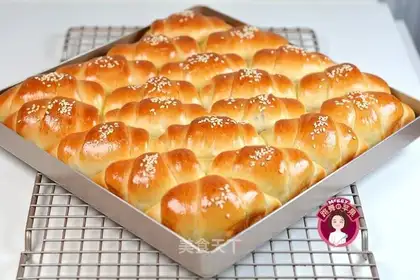
POLAND GROWS BREAD, AND IT'S EASY AND DELICIOUS. IN COMPARISON TO THE CHINESE, THE POLISH SPECIES ARE EASY TO MAKE, MIXING THE MATERIAL EVENLY WITH CHOPSTICKS, WITHOUT HAVING TO RUB IT LIKE THE CHINESE ONES, OR EVEN RUB OUT THE GLOVES. THE POLISH-CULTIVATED FACE IS FAST, AND THE FINISHED BREAD IS SOFT AND NOT HARD FOR THREE DAYS. I'M STILL DOING IT WITH A SQUARE OF 28*28CM TODAY, WITH 20 CALVES TO PUT IT IN A TIGHT, FULL AND ORGANIZED WAY。
Recipe Recommendations
- high-gluten flour 320 grams
- light cream 60 grams
- butter 40 grams
- sugar-tolerant dry yeast 4 grams
- salt 4 grams
- white sugar 40 grams
- cold water 130 grams
- dry yeast 1 gram
- Cooked original red beans
- egg liquid appropriate amount
- white sesame appropriate amount
- sweetening
- baking
- several hours
- ordinary
Steps for Polish red bean horn steak bag
1
A few hours in advance to make a Polish seed: 80 grams of fermented flour, 1 gram of dry yeast, 80 grams of cold water in large bowls, mixed with chopsticks to make dry powder; full face of the wall of the bowl to the face of the face and fermentation in warm and wet areas; 30, humidity 65 with fermenters。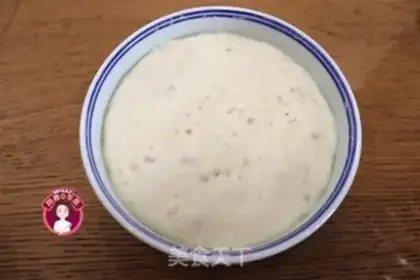
2
The pasta is 2-2.5 times the size of the original one, with a large and small bubble on the surface and a pleasant smell of fermentation; the face of the face of the face of the face with a spoon, with a thin lass underneath the face, with a large and small air hole; the Polish species can be made on the same day, or the first night can be used to keep the refrigerator in cold storage, and the next day can be used to save the time it has to ferment。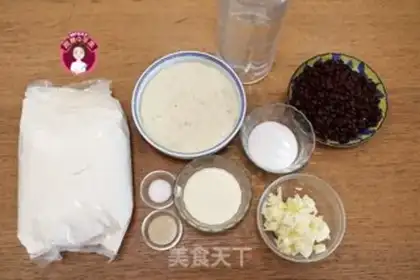
3
Polish varieties and main noodle materials are ready: 320 grams of condensed flour, 4 grams of sugar dry yeast, 4 grams of salt, 40 grams of sugar, 60 grams of light cream, 130 grams of cool water, 40 grams of butter; light cream can increase the softness and aromatic aroma of bread, if replaced with the same amount of raw yogurt, or with less than 10-20 grams of milk or cool water; red beans are self-made, then boiled with high-pressure pans, suitable for full particles, without white sugar, original taste; red beans are cooked with appropriate white sugar, which is sweet。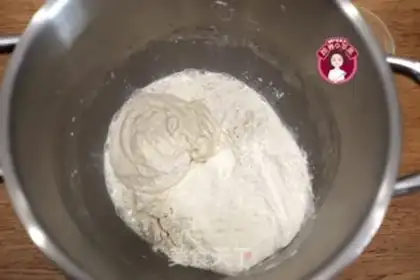
4
Material other than butter and red beans from the main noodles and Polish noodles were poured into the rubbing drums。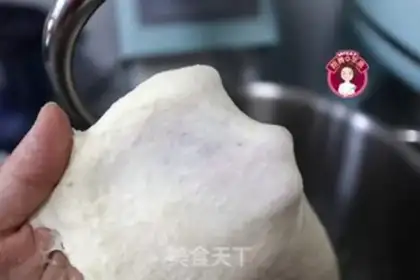
5
A 5-8 minute low-speed mix with a cook's machine, which can pull out this thick film and then add butter。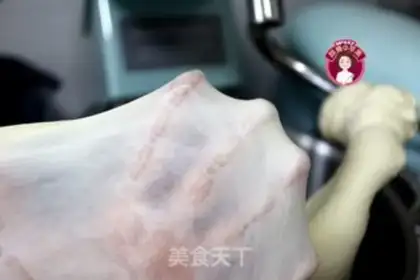
6
The butter is completely rolled into the face of the dough at a low speed of 1 to 3 medium speeds, mixing for 8 to 10 minutes, the face is soft and glamorous, does not stick to the wall, scratches a non-sticked hand, builds a transparent and flexible film, piercing a hole with a finger and having a small or no sawn tooth on the edge of the mouth。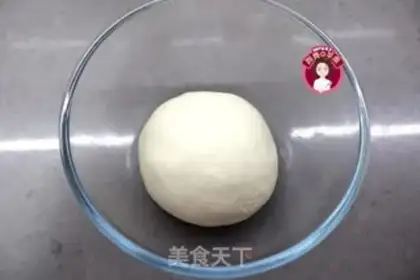
7
Noodles are rounded and placed in deep basins, with warm and wet membranes on the basis of fermentation。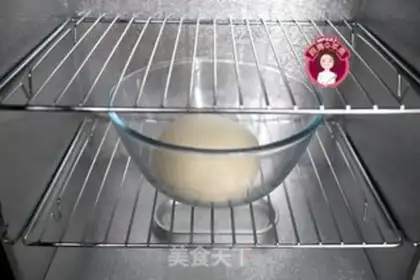
8
The temperature of the fermentation box is 30, humidity 65, and the time is approximately 3 hours to adjust the facial condition; there is no fermentation box that can be placed in the oven, using the fermentation procedure, at 30 degrees temperature, with a bowl of hot water to increase humidity。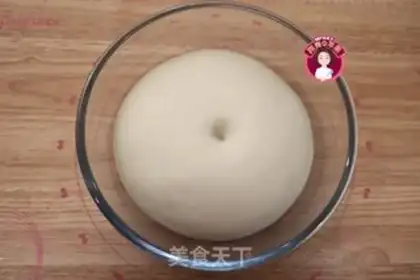
9
The dough is twice as big and the fingers are poking a hole in the top of the flour, not falling, not convulsing, and fermenting is successful。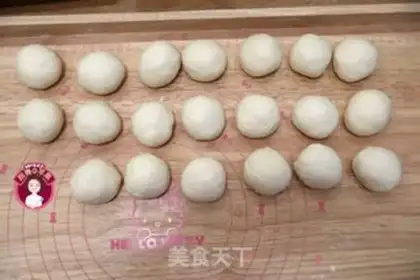
10
The noodles fall on the panels, and if the sticky hands can spread a little flour, do not if you don't; and they slash down and down, weighing 20 equals, then round them separately, remember the order in which they are set。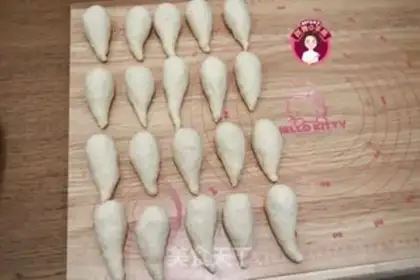
11
There is no need to be static after the pasta has been emptied, in the order in which it has been set, in the form of a droplet, and for 10 to 15 minutes in the form of a shampoo。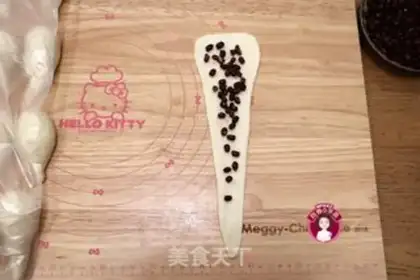
12
In the order in which the water drops, take a face, smooth the face up, gently scratch the small part of the face down with the left hand, with a little tweaking down from the top with a stick in the right hand, and form a reverse triangle; then turn on the face, turning the smooth surface towards the surface of the case sheet, which will become the surface of the bread roll, so it will have to be replaced with a smooth and beautiful skin; the face will have to be turned over, which will need to be re-plattered into a downward triangle, spread the red beans in pieces and leave a blank in the tip of the tail。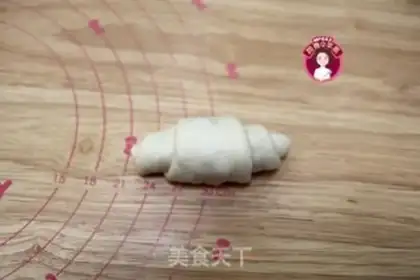
13
From the edge to the tip, it's not loose, it's covered with a leather roll, the red beans are completely wrapped in the skin and the tail is pressed below。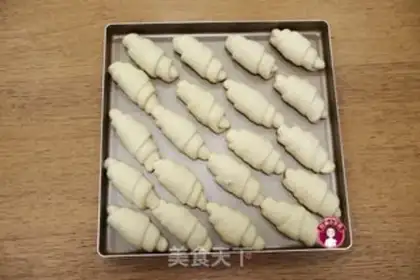
14
In turn, the noodles are made into red bean rolls, placed in a non-gluceous dish of 28*28; 20 rolls are to be arranged in a full set, with the longest angular line, with two rows of four rolls, and the remaining rolls in the remaining space, the principles of which are shown in the chart, so that the rolls are fermented again and after the roasting is completed, and the face fermented without hindrance。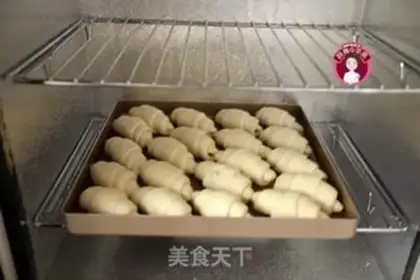
15
fermented in the fermentation box twice, at a temperature of 33 and humidity of 65, for a period of approximately 40 minutes, and adjusted for the state of life。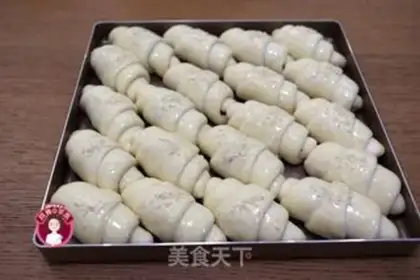
16
When the horns are 1.5-2 times larger, the surface is brushed with egg fluid, with a small amount of white sesame; the oven is preheated 200 degrees。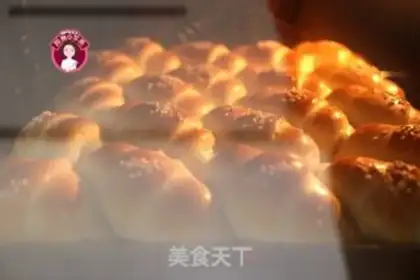
17
The horns of the cattle are sent to the lower middle of the pre-heated oven, with 180 degrees of fire, 200 degrees of fire, 20 minutes; the temperature and time are adjusted to the conditions of the oven。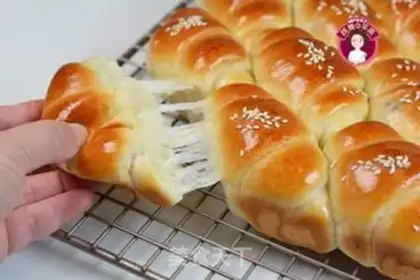
18
Once out of the oven, the mold is removed and the hanger hangs in a bag when it's warm; this is a red bean-cow horn bag, which is good for hot and cold and soft。Polish red bean horn steak bag Make Tips
1. Do not dwell too much on why it is called Polish, bearing in mind its ratio of 1:1 for powder and water, the amount of yeast is 0.5-1 per cent of flour, a little more than fine; fermenting at the same temperature, the longer it wants to ferment, the smaller the amount of yeast; the amount of flour grown in Poland is about 25 per cent of the volume of the main flour; 2. The bread is made in this way, softly and not rigidly for three days; the fermentation process is faster; 3. bread can be made with many variations and sizes, and red beans can be released without problems in exchange for other coatings; 4. The temperature and time of roast is adjusted by factors such as the actual situation of the oven used, the size of the face, the size of the mold, the preferred taste。