Sunflower sandbread
By VicentaLakin

Recipe Recommendations
- high powder 200 grams
- milk powder 15 grams
- sugar 40 grams
- eggs 50 grams
- milk 70 grams
- yeast 2 grams
- salt 2 grams
- butter 15 grams
- dry yeast 1 gram
- warm water 50 grams
- white sesame appropriate amount
- bean paste appropriate amount
- sweetening
- roast
- several hours
- divine level
Steps for Sunflower sandbread
1
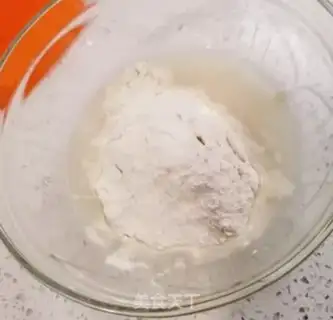
First comes the Polish seed, with 50 grams of constant water melting 1 gram of yeast and 50 grams of high powder mixing, which fully integrates yeast and flour。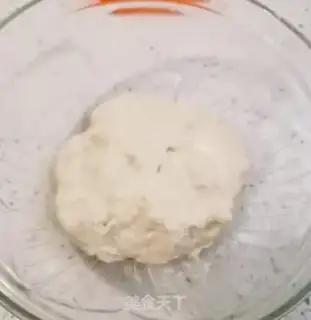
2
It fermented for 30 minutes and then sealed into the freezer overnight。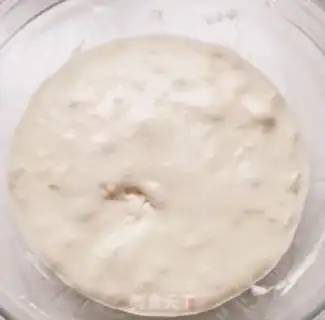
3
The next morning it was taken out and the face was fermented to a lot of bubbles。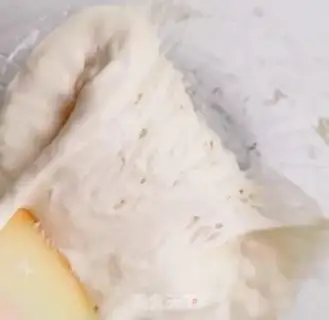
4
Polish species need to be conditioned rather than fermented, and must be fermented to have bubbles in the air, which is the best state and is fully usable。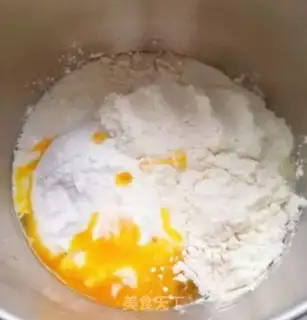
5
Polish plant in the cooker ' s machine + high powder, milk powder, milk, whole egg fluid, smoothing of 2 stages with the cooker ' s machine, then high-speed stir to the extension stage, then salt, and low-speed mixing to the full integration of salt (salt hinders the formation of the noodle, so it is best to rub the face with later salt)。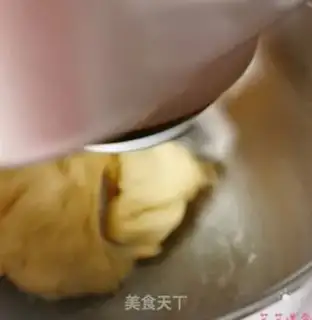
6
The same is true for low-speed mixing, followed by low-speed mixing of yeast。
7
A further high-speed stir to the noodle will remove a thin, flexible film (i.e., a glove film) and the whole dosage will not exceed 20 minutes and the temperature will remain below 26 degrees to avoid premature fermentation of the noodle。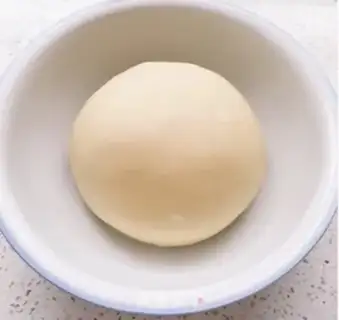
8
A few strokes of the noodles were quickly removed, the surface was smooth, the income bowl was covered with protective film, and the room fermented for about 45 minutes。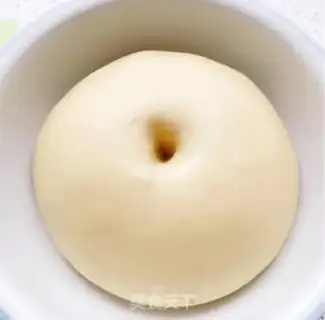
9
At the end of the period, the noodles were fermented twice as large (finger-lightly press the noodles without immediately returning or falling)。
10
Take out the noodle, press pressure。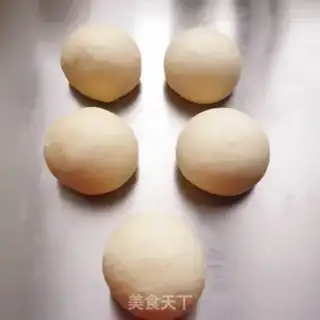
11
It is divided into five equals, with a rolling circle, covering the membrane chamber for 20 minutes。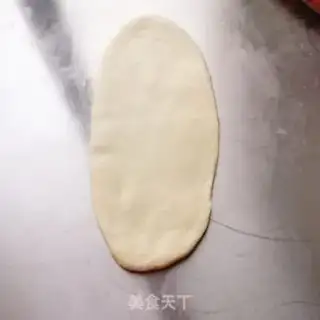
12
At the end of the period, a noodle is removed and the tongue is grown。
13
From top to bottom。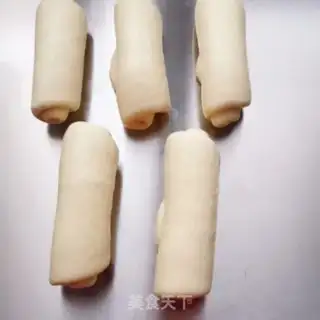
14
After that, the shampoo covers the room again and the temperature is loose for 20 minutes。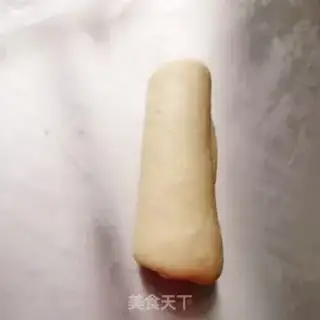
15
At the end of the time, take out a noodle。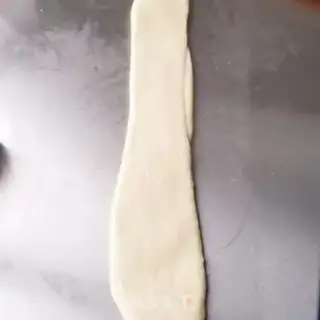
16
Try to stay as long as possible and press pressure to exhaust。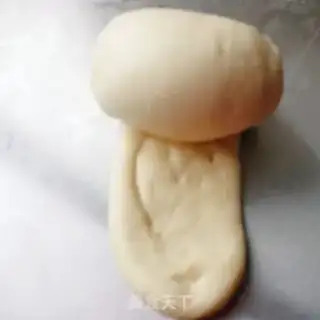
17
Roll up。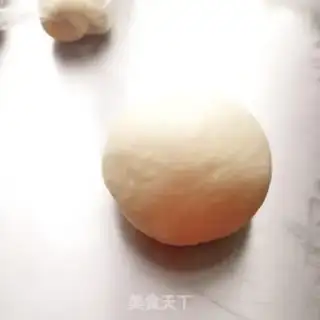
18
Round up。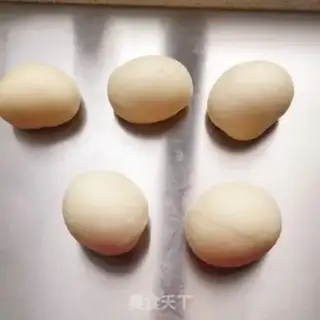
19
Finish it in order to cover the film before it drys。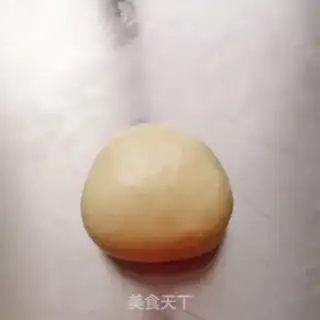
20
Take out a noodle。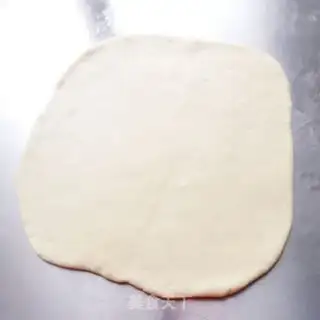
21
(b) A large circle (all of the five hulls in a large circle)。
22
Take out a piece of soy sand。
23
Cover a piece of noodles。
24
One piece of noodles, one layer of soy sand, and then the five floors。
25
A circle is left in the middle, where the edge is cut to a flat 16-center。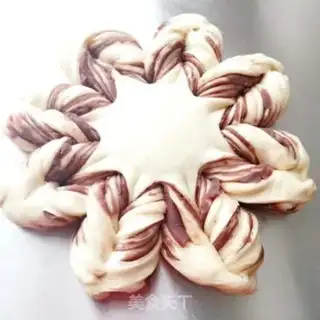
26
The two adjacent to each other wrinkled, and the end squeezed, and the embryos would be fine。
27
In the oven, in the unopened oven, a bowl of open water (100 degrees) is placed in the oven to help with fermentation at 35 degrees and 85 per cent humidity, with a fermentation time of approximately 60 minutes。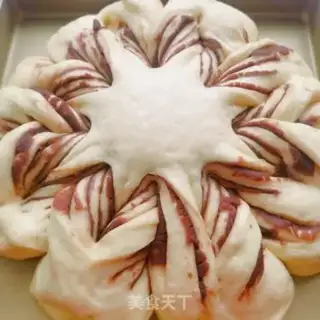
28
Bread is fermented 2-3 times larger。
29
The surface is brushed with egg fluid, white sesame, placed in a preheated oven, 160 degrees, mid-level, 20 minutes baked, coloured on the surface, and covered with tin paper (the temperature and time may be adjusted to the temper of the oven)。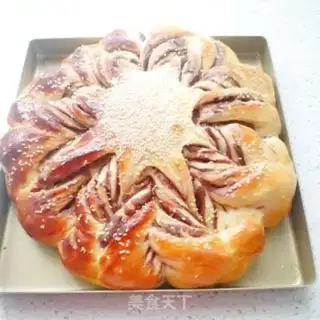
30
At the end of the day, it's out of the oven, and it's cold。
31
Okay。
32
The finished chart。
33
The finished chart。
34
The finished chart。