All wheat rabbit buns
By VicentaLakin
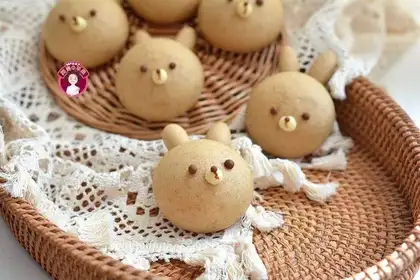
Today, a few rabbit buns were made out of new barley homemade powder, and it came out to the circle of friends, and it was amazing. It seems to me that cartoons take too much time, but this time enough to destabilize people. Because it's so convenient to ferment at a time. One is to have a nice ton of fermentation, and one is to have too much liquid volume; the other is to have the face modulated sufficiently to make it smooth and thin; and the third is to ferment at a time and not for too long, to prevent excessive fermentation from causing deformation. The whole wheat powder is very rough, and it's usually a mix of barbed flour, but today I use 100% of the whole wheat flour to make cartoon rabbit buns. The size of each noodle is small, and it's finished with three bites, but it's not rough, because the cartoon is so delicate, it's sweeter。
Recipe Recommendations
- Steamed buns self-produced flour 20 grams
- fresh milk 160 grams
- cocoa powder 2 grams
- cold water a little
Steps for All wheat rabbit buns
1
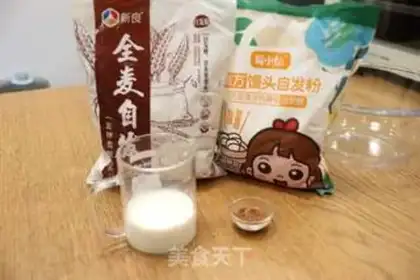
The materials are ready: new wheat home-based self-powder, small-scale southern bun powder, fresh milk, and small permits; milk can be replaced with room-temperature water。
2
200 grams of whole wheat self-pumping into a big bowl。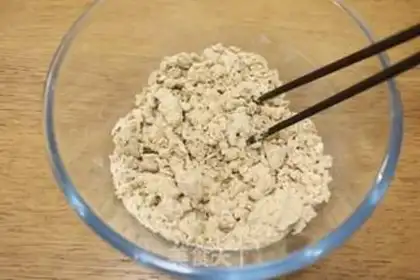
3
One hundred and forty-five grams of milk is poured into flour, and milk may be added on a case-by-case basis without familiarity with the water intake of flour; first, it is mixed with chopsticks。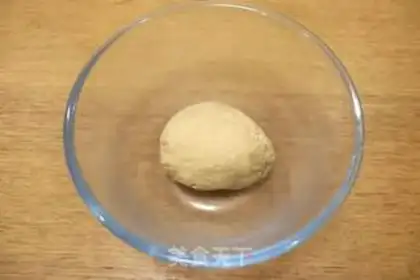
4
Scrambled into dry flour-free flour, with a spare bag。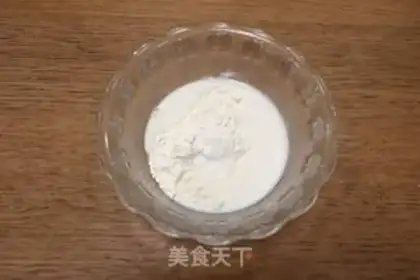
5
20 grams of corset powder and 15 grams of milk in the bowl。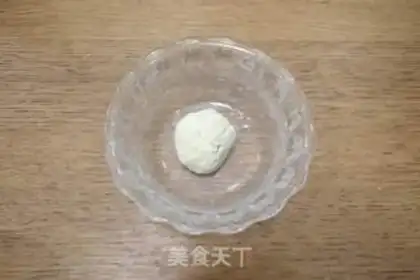
6
Scrambled with chopsticks, then rubbed into dry powder-free flour, and put it in a spare bag。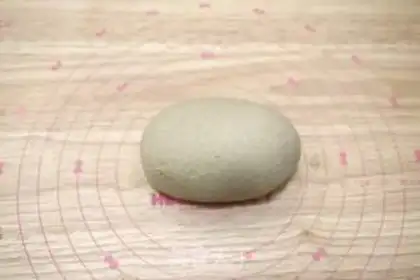
7
Placing the whole wheat noodle on the board and rubbing it into a smooth, smooth, flexible face, which takes about eight minutes to determine the time to be spent depending on the force of the face。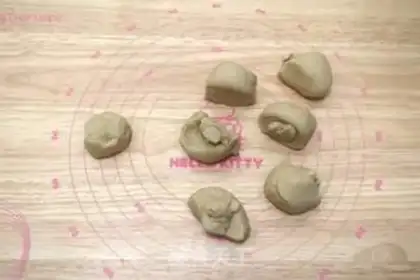
8
It is divided into six 50-gram mints for rabbit heads and the rest for rabbit ears。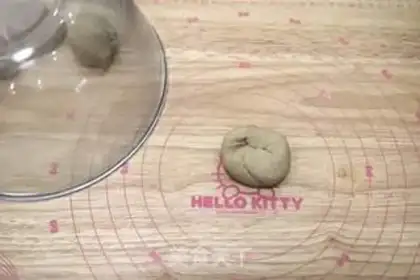
9
The small noodles that are temporarily inactive are held in a shrouded basin to protect them from evaporation; the small noodles are rearranged。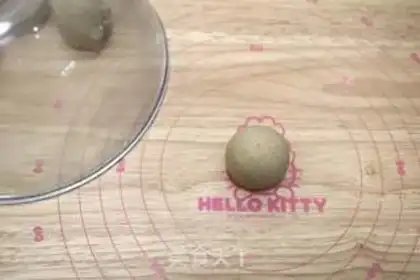
10
A smooth surface ball; the bottom closing must be as small as possible。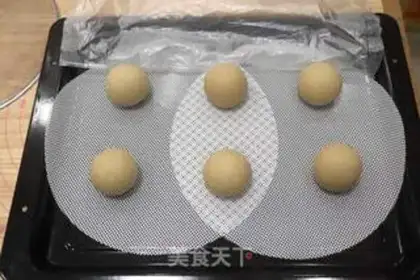
11
Six 50 grams of noodles were rounded in turn, coded in a steampainted voltage, leaving an inflatable distance between them, and covered completely with fresh bags to prevent water evaporation and skin drying。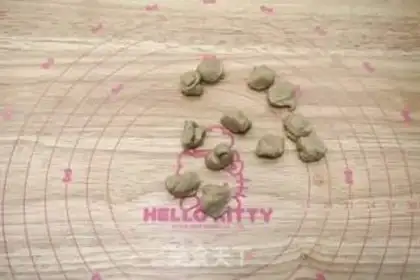
12
The rest of the dough is divided into 12 3 grams of one, which are used to make rabbit ears。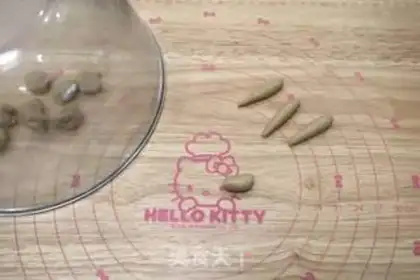
13
The small, temporarily inactive noodles are held in a rinsing basin, which prevents the water from evaporating; the small noodles are rounded with a tip of their finger, and then grafted into a thin hammer of about 3-4 centimetres。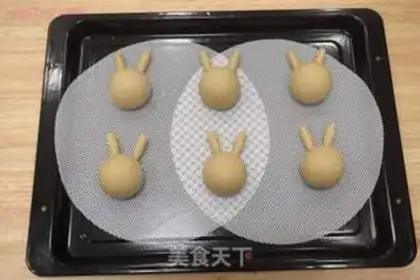
14
The thicker roots of the ears are covered with cold water, which is held below the head of the ball; if water is not scrubbed or just placed below, the steam is not adhesive and when it is finished, it is “separated”; it is still covered with protective film。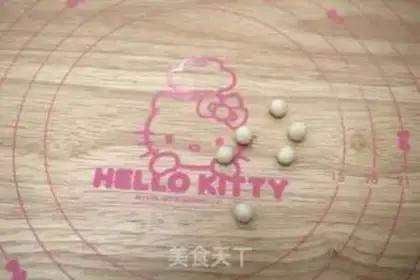
15
The white noodle is smoothed, from which six small noodles of the size of soybean grains are drawn and used for the nose of the rabbit。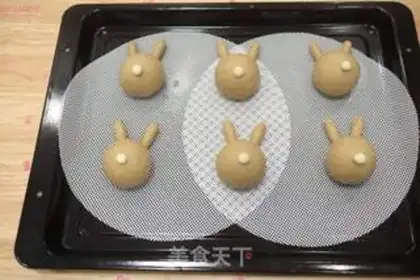
16
Put a little cold water in the appropriate position of the face, put a little round ball on it and flatten a little with its finger。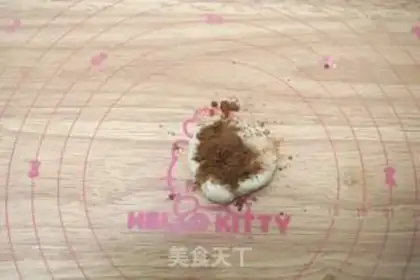
17
There are few permits for powder and a few drops of water in the remaining noodles。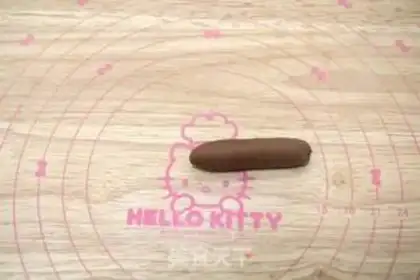
18
It is pressured into smooth and soft cocoa noodles。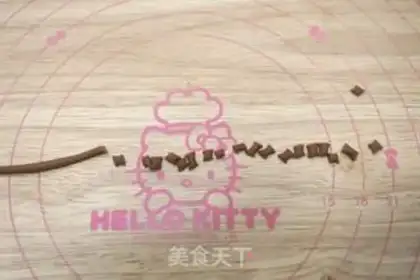
19
A portion of the cacao noodle is taken into the form of a corrugated cortex, which is cut out in 12 fractions, each of which is approximately 3 mm long。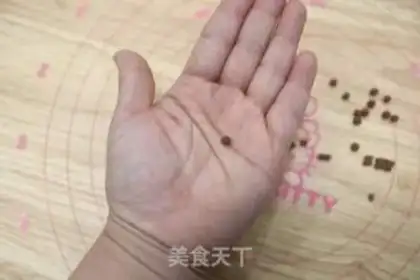
20
It turns the small face into a ball of green beans。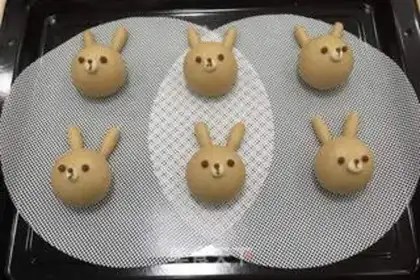
21
Put a little cold water in the eye near the rabbit's face and paste the cocoa ball on it; the eyes should not be too far from the nose so high that there would be no fun to look at; the eyes would not be limited to the spherical shape and other shapes could be made on the basis of preference; the cocoa dough would continue to be fined, with a portion of the ball smaller than the “eyes” removed from it and the water painted on the nose; the small mouth could be pasted with smaller cocoa strips; if it was difficult to do so, it could be saved, left to evaporated and dry, and painted with black melt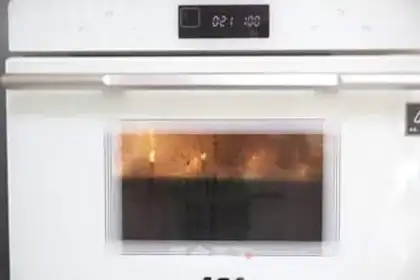
22
(b) Placing the bunt in a steam tank or pan, keeping the temperature between 35 and 40 degrees, with a humidity of 70-80; heating the steambox or boiler for two minutes to fill the interior with humid gas; and fermenting for 20-30 minutes, which is 1.5 times the original size, 18-22 minutes, without opening the hood or opening the steamer door。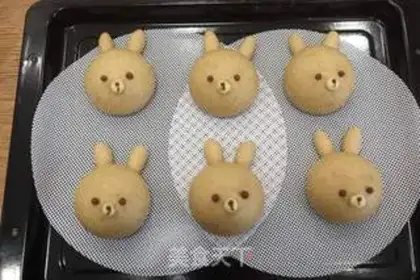
23
Zirconium is five minutes out of the steambox or the steam pan, and the buns are clearly large and flat; the whole wheat bungee is yellow, which is closer to that of wild rabbits; they can eat cold and hot。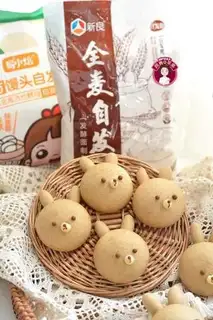
24
All wheat rabbit buns, soft and cuteAll wheat rabbit buns Make Tips
1. Fashion powdering does not require basic fermentation, is fully smooth and is directly split and plasticized; 2. The whole journey must be covered by a bag or container and protected from water evaporation; 3. If the face of the bun is smooth and thin inside is soft, it must be sufficiently compacted to make the face soft and flexible; if the face is too dry, milk or fresh water may be increased as appropriate; but if the face is too dry, it should be made more rigid, the liquid should not be too large and soft; the whole wheat has a special diet of water and the milk is not so thin, and milk may be added to milk when it is rubbed in proportion to its condition; 4. Use the formula of common flour: Medium-banded flour, 200 grams, dry yeast, 2 grams, sugar, 8 grams, milk, 120-130 grams。