Miyagi chicken
By VicentaLakin
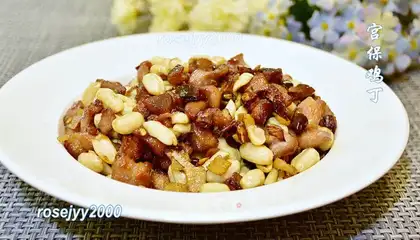
Miyagi chickens have a variety of styles and practices, and I prefer Master Shu Ho's tastes to be gilded, sweet and sour, and to make the dishes more dry, unsophisticated, fragrance, as if I had heard from a master that the colours of the dishes are red and white, i.e. chili and peanut white. Some friends would say, "Why do you take peanuts off when they're red and white and you don't care about peanuts? And some things are not big principles, or are they primarily for the sake of family or their own taste and proximity, and your kitchen is in your hands, and don't worry about the peanut skin。
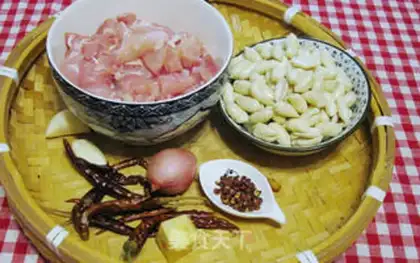
Recipe Recommendations
- chicken legs
- shallots 1/3
- ginger 2 tablets
- soy sauce 1 tablespoon
- refined salt 1/4 teaspoon
- white sugar 1/3 teaspoon
- pepper 1/3 teaspoon
- pepper powder 1/2 teaspoon
- liquor 1/2 tablespoon
- corn starch 2 tablespoons
- vegetable oil 1 tablespoon
- pepper 1 tablespoon
- garlic cloves 2 capsules
- dried red pepper art. 8
- soy sauce 1 teaspoon
- sesame oil 1 tablespoon
- salty and sweet
- fried
- an hour
- senior
Steps for Miyagi chicken
1
The chicken legs go to the bone and the chicken skin is free。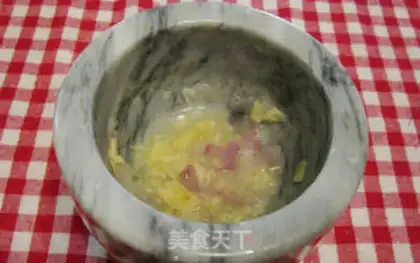
2
The onions are bigger, so it's about a quarter of a section when you're making ginger onions, and the ginger is about two slices of it, all of it in the quartz, rotting, two spoons of fresh water and a few strokes of it。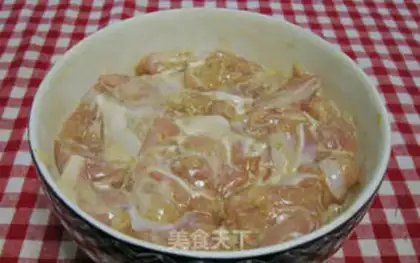
3
Half of the onion is slowly poured into a bowl of chickens, with one large spoon, one quarter of the salt, one-third of the sugar, one-third of the pepper powder, one-two-second of the pepper powder, one-two spoons of the wine, scratching until the liquid is absorbed by the meat, and another half of the ginger and corn starch, two large spoons of the corn, and all of the chickens are absorbed into the whole of the juice, one large spoon of the vegetable oil, and the meat is not made into a lump, 30 minutes or more。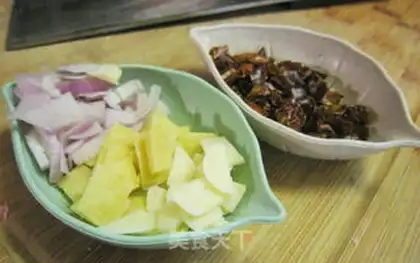
4
The remaining three quarters of the onions, two petals of garlic and ginger slices of about 12 slices of chili。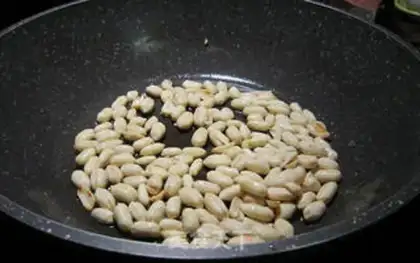
5
Pick up the pot, put a proper amount of bottom oil, fall into the skin of peanuts, get caught in fire, fire them patiently until the groundnut breaks in the middle, or the peanut becomes hard and a microcosm, and fills up the spare and leaves the bottom oil。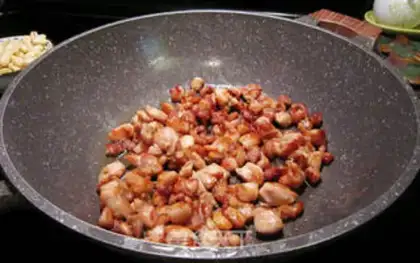
6
Pilled in chicken, fried in fire, fried in chicken to lasagna and dark gold。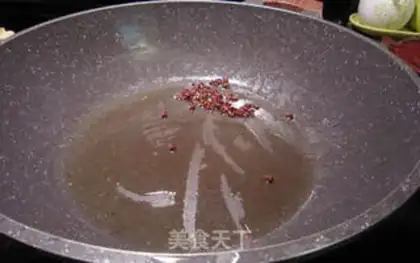
7
It's burning oil, pouring into a spoon of pepper, making it smell。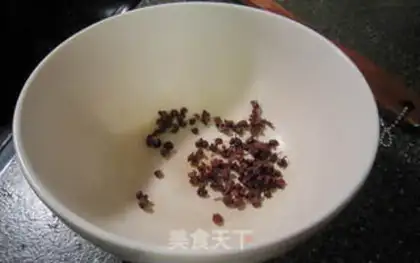
8
In order not to eat the pepper, get the pepper out。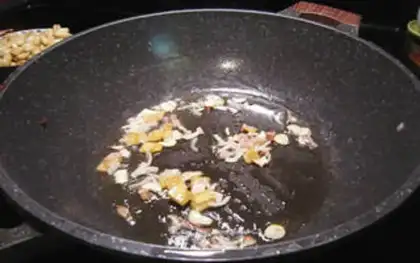
9
Pour in ginger, garlic and onions, blast a moment。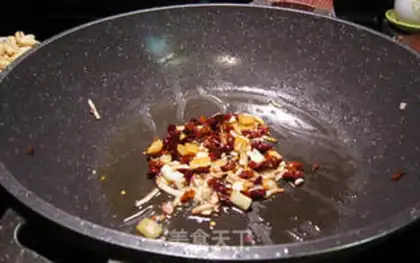
10
Dried peppers, smelled good。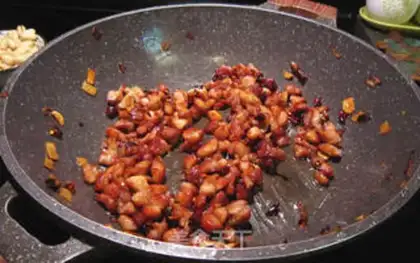
11
Pour in the chicken, take a few。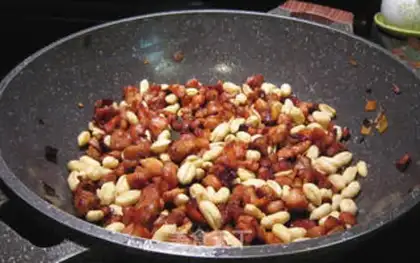
12
Add peanuts, cook a big spoon, smoke a small spoon, sugar 1 + 1/2 and vinegar a large spoon, turn it up fast and go around a few times. With a spoon full of vinegar and sesame oil, they can be combined into a bowl of juice, with a small spoon of pepper powder, with a quick turn-off and a pot。Miyagi chicken Make Tips
One, the chicken used can be a chicken leg or a chicken chest; two, the chicken can be a leather or a leather-free skin; three, the peanut can go to dress or not to dress to form a red view of the place with the chili; four, the vine used can also be used to make vinegar; five, in order to avoid the sudden “middle pepper” when eating the food, it is also possible to leave the pepper in the pot after the oil has been blown; six, the last boiler suggested that the bowl should be a bowl of juice and that it would be easier for an ancient brain to fall into the pot when it is cooked; and seven, the spoons, spoons and cups used by penners in any food article, such as cooking, baking, etc., are used in international quantities, not the spoons and cups that we use in our homes or restaurants to make and drinks and food。