♪ Snow pollen ♪
By VicentaLakin
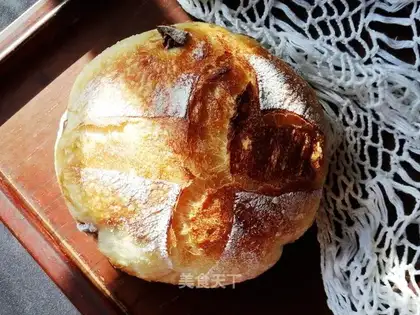
THOSE WHO TOUCH THE BAKING KNOW THAT BREAD MUST BE MADE WITH SPECIAL BREAD FLOUR, WHICH IS HIGH-BAND FLOUR. THE PROTEIN CONTENT OF HIGH-STRENGTH FLOUR IS IN THE RANGE OF 12-15 PER CENT, WHILE MOST OF THE NORMAL FLOUR USED IN THE COUNTRY TO MAKE FLOUR BUNS IS CHINESE FLOUR, AND THE PROTEIN IS IN THE RANGE OF 9-11.5 PER CENT, AND THE PROTEIN CONTENT OF DOMESTIC FLOUR, EVEN KNOWN AS HIGH-STRENGTH FLOUR, IS ONLY ABOUT 10 PER CENT. MY BREAD, ESPECIALLY TOAST, HAS BEEN BAD, SO I'VE BEEN BROWSING THROUGH THE RECIPES OF ALL THE GREAT MEN, WATCHING THEIR VIDEOS, READING THEIR HEARTS, AND DISCOVERING THE NEW WORLD! ONE BIG MAN SAID THAT EUROPEAN BUNS WERE EUROPEAN STAPLE BREAD, EQUIVALENT TO CHINESE BUNS, AND THAT FOREIGNERS MADE BREAD WITH ORDINARY FLOUR. SO I LOOKED AT A COUPLE OF BIG GUYS WHO SPECIALIZE IN OLE, AND LEARNED HOW TO MAKE OLE, BUT THEY USED MOSTLY FRENCH POWDER, OR T-55, T-65, T-75, AND I THOUGHT I'D LIKE TO GO. I RECENTLY FOUND THAT THERE ARE 12 PERCENT OF THE PROTEIN CONTENT OF SEVERAL ORDINARY FLOURS IN THE MARKET, WHICH SEEMS TO HAVE REACHED THE PASS LINE OF HIGH-STRENGTH FLOUR, WHICH IS NOT GOOD FOR TOAST (AND TECHNOLOGY-RELATED). THIS TIME, THE USE OF GLINNORNIAN SNOW POLLEN, WITH A PROTEIN CONTENT OF 12.2 PER CENT, REVEALED THAT WATER INTAKE WAS SIGNIFICANTLY BETTER THAN OTHER FLOUR WITH THE SAME PROTEIN CONTENT, WITH 76 PER CENT OF THE AMOUNT ADDED TO THE FLOUR, MADE OF HARD SKIN, SOFT INSIDE AND DELICIOUS。
Recipe Recommendations
Steps for ♪ Snow pollen ♪
1
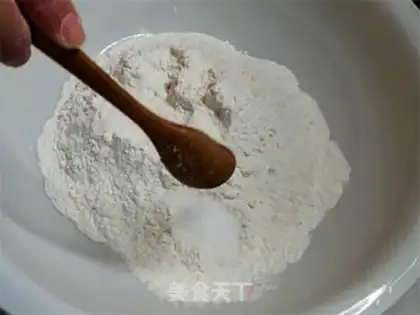
First, water the main noodle. In the main noodles, 265 grams of flour, 180 grams of water, 4 grams of salt are mixed in a group, and not over-grained, as long as there is no dry powder. A total of 190 grams of water was included in the main noodle material, leaving 10 grams for the next day to dissolve the yeast。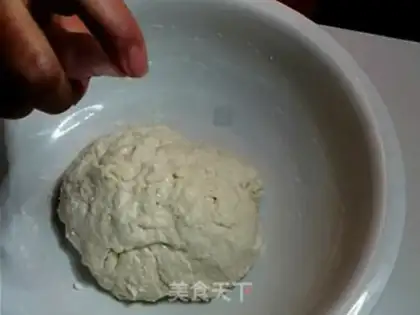
2
Spray the noodles with some water fog and pack the film for a night of cold storage. I didn't put it in the fridge, because room temperature was only 4°C, 1°C lower than the freezer area。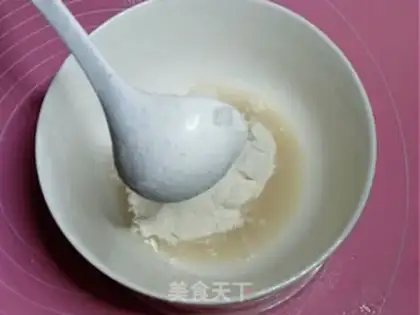
3
Then do Polish. Fifty grams of Polish materials were poured into the bowl with a 1 gram of dry yeast mixed and dissolved, and finally 50 grams of flour mixed to the point where there was no dry powder and a thicker paste。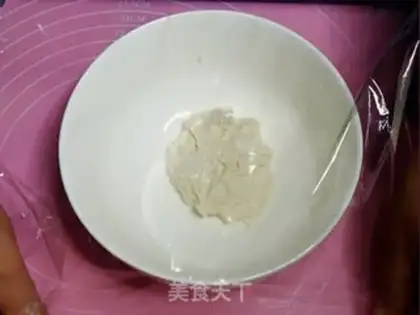
4
These two Polish steps were taken when I first made them, which were 25 grams of water and 25 grams of powder, so the noodles were smaller。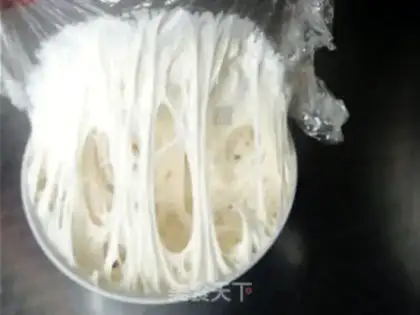
5
Polish pasta is fermented at 28°C for between half an hour and one hour, then fermented in the freezer, fermented to two to three times the size of the cell. This picture is a Polish plant of 50 grams of powder water, frozen overnight after an hour of warm fermentation。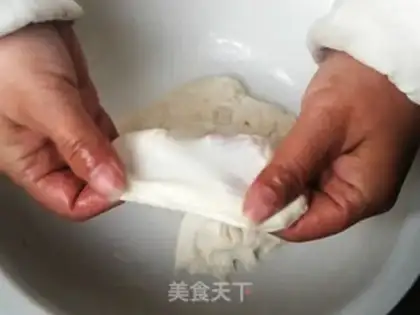
6
We'll be able to pull out the film。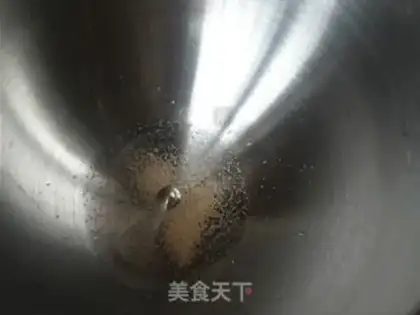
7
Ten grams of water and 1.5 grams of dry yeast in the main dough were placed in the mixer drum。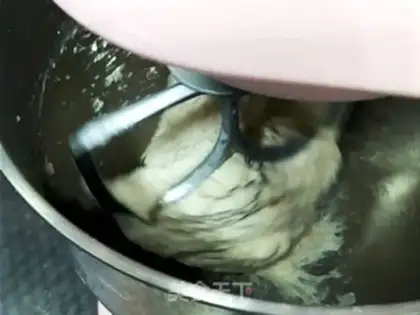
8
PUT IT IN A POLISH FORM AND IN A FULLY HYDRATED MAIN SECTION, AND MIX IT EVENLY WITH A K-WORD OAR. I WAS SLOW TO MIX FOR FIVE MINUTES. THE REASON FOR USING THE K-WORD OAR INSTEAD OF THE NOODLE IS THAT THE AMOUNT OF WATER IS TOO LARGE AND IT IS MORE STICKY WITH THE NOODLE。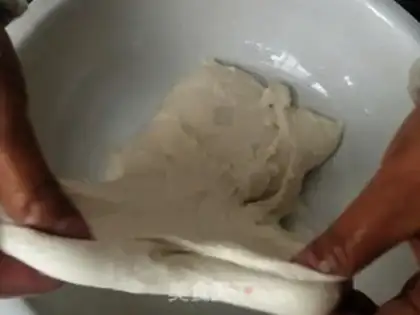
9
The face of the face was removed for the first time, with wet hands, pulling up the end of the face and slowly stretching。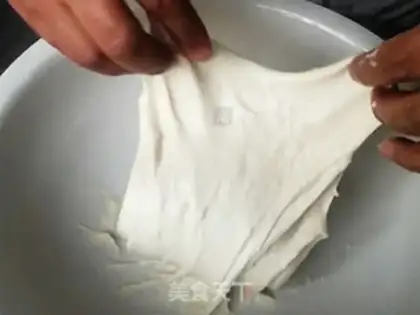
10
Cover the pasta to the other end。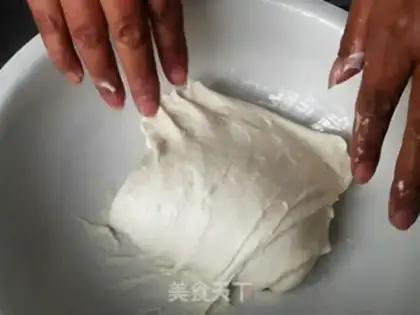
11
The same operation is re-verted in a different direction, covering the façade (fermentation) for 0.5 hours to 45 minutes, with a second flip, totalling four times。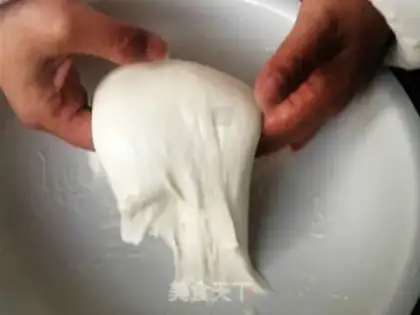
12
This is another way of turning the face, with wet hands inserted from the middle of the face, and one end of the face pulled off the bottom of the basin。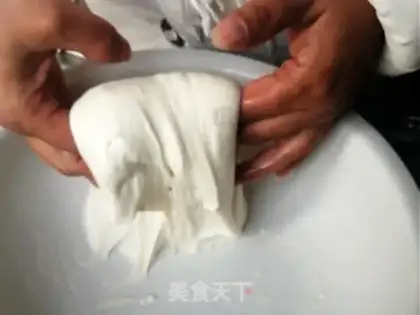
13
Put the pull-up dough in it and press it below。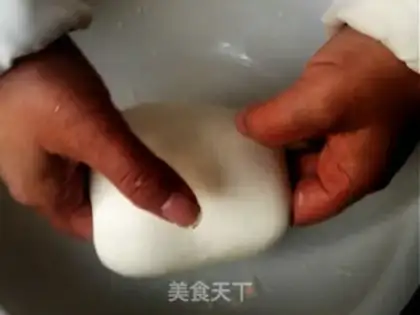
14
Same up and down。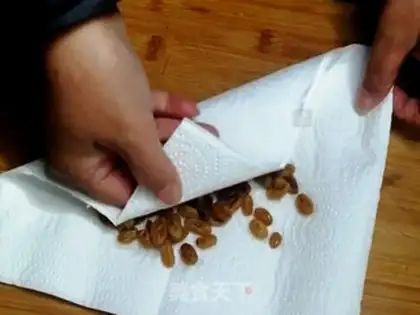
15
Wash the raisins with fresh water and immerse them with water for an hour. min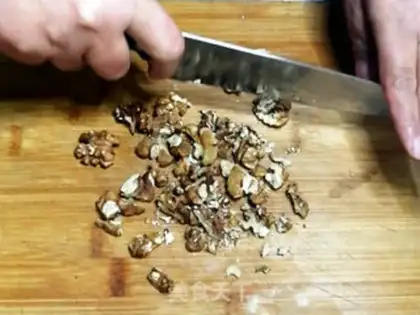
16
walnuts cut to pieces。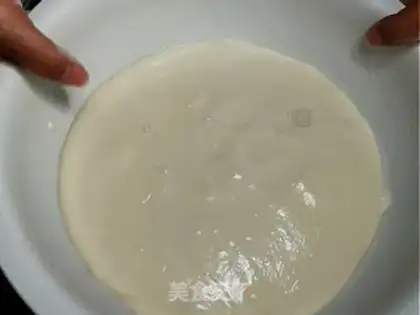
17
The noodles are covered by four turns, and the fermentation is frozen for one night, which is about two times larger, with many bubbles on the surface。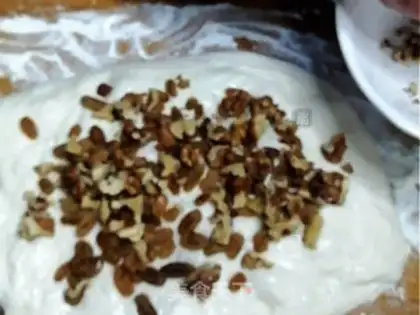
18
There's a lasagna on the board, and it's sticky. The face is removed from the face and is spread over the flour, and the face is gently drawn into squares, with raisins and walnuts laid。
19
The contours are glued together, and the contours are glued to each other, operating repeatedly until the face group becomes rounded and tightens the mouth。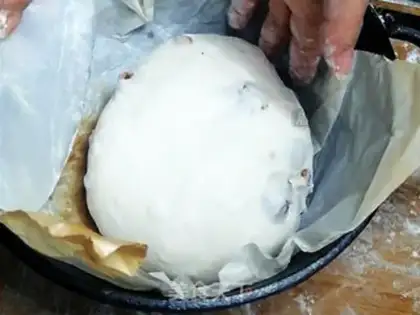
20
If I don't have a basket, I ferment the cast iron pot, put on the oil sheet, use a scratchboard to help devolve the noodles, and cover the pan for about an hour。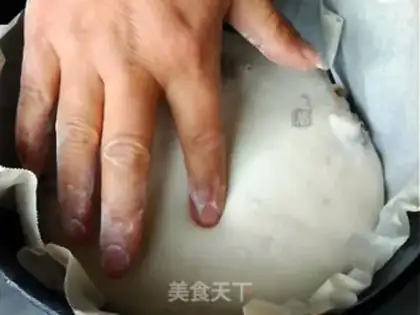
21
Flour swells about 1.5 to 2 times larger, with water or dry powder on the finger, which does not bounce back quickly and leaves a finger mark on the face to ferment. At that point, the flour was taken together with the oil sheet, the cast iron pan was sent to the oven with a pan and the fire was about 250°C preheated for 40 minutes。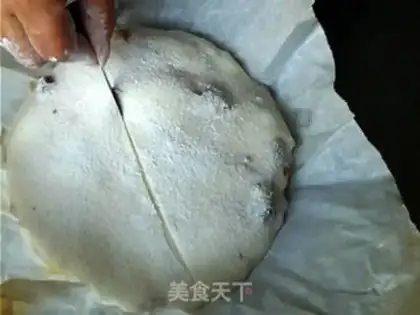
22
Noodles are sprayed with water, cut with a surgical or razor blade, and I cut the cross。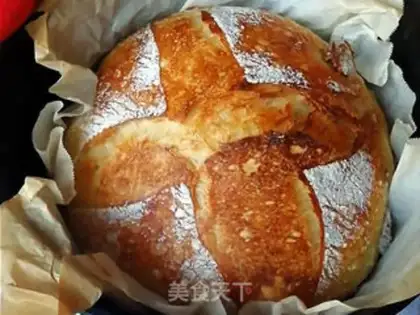
23
The preheat ends with the extraction of the cast iron pan (cautionaryly hot), with the oil sheet and the pasta being put into the cast iron pan, the lid is placed back in the oven, and then the top is taken off and cooked for 15 minutes. If it's serious, turn it down。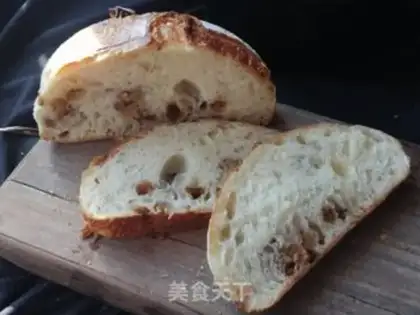
24
The bread comes out of the oven to tear out the oilpaper and toss it on the hanger. Let's see how it's organized. The hole, though irregular, is beehive-like and soft inside. They're usually big, they're never finished, and they're sealed and frozen。♪ Snow pollen ♪ Make Tips
One, I'm not from Obuada. I just learned to be a ogre. So it's not an experience note, it's a record of its own production. There are no European packages in the town, so I can't compare them and I don't know if I'm doing the right thing. 3. With regard to lassing, I used a hydro-cooking + cooker machine, but it was not used at all, so it was not much lascivious, using a method of double folding + long fermentation. It's also called Polish yeast, which is 1:1, and the yeast is supposed to be 1% of flour, but we've got a low temperature here in the winter, and when I made this bag, it was only 4-6°C, so it doubled. I can't cut it, I can't ferment it too much, or it'll leak when I cut the skin. Six, this snow pollen is good for water, and it's not as good as special bread, but I think 76 percent of the water is very good in ordinary flour。