Polish original toast
By VicentaLakin
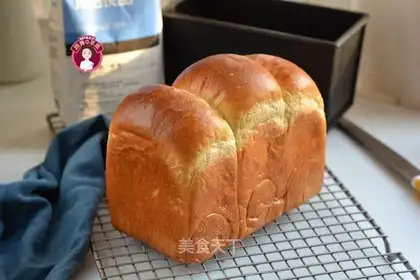
Today's toast is really good, and it's very satisfying that the Rassy organization is able to turn a mountain's bread around。
Recipe Recommendations
- bread flour 50 grams
- dry yeast 0.5 grams
- cold water 50 grams
- salt 3 grams
- white sugar 20 grams
- eggs 60 grams
- butter 20 grams
- Brush the surface with butter a little
Steps for Polish original toast
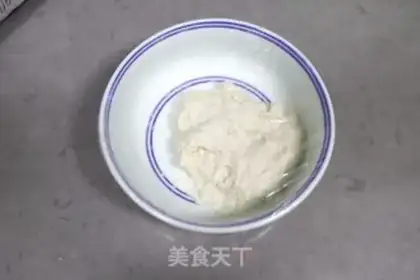
1
Production of Polish species one night or hours in advance: 50 grams of bread powder, 0.5 grams of dry yeast, 50 grams of cool water mixed; fermentation of the Momentum at room temperature for one hour and cooling of the fridge for one night; or fermentation at room temperature for use。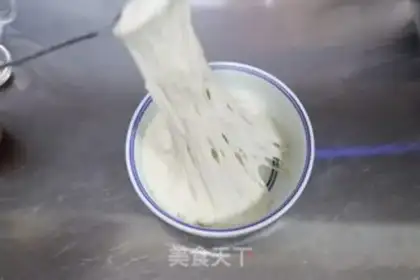
2
The noodles are fermented to two to three times the size of the fermentation, and the surface can see a large and small bursting bubble, which is very elastic and extremely effective for the silk。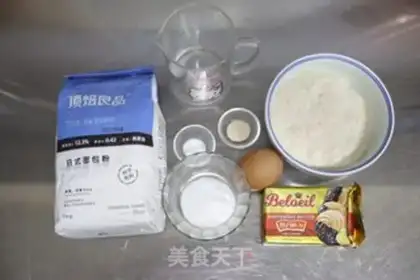
3
The main lasagna material and the Polish type of large photo。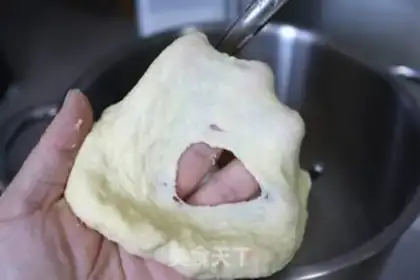
4
All materials, except butter, are placed into the scavenger drums, which are then slowly ploughed into groups, then twitched at high speed, softly the face, which pulls out a thick film and softens the room, and the flour is used at different rates, allowing for a small amount of liquid to be saved, and then water to be seen in its state。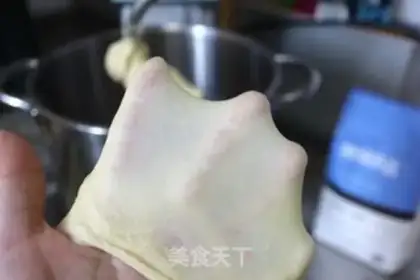
5
A low-speed bump, full integration of butter into the noodles, then high-speed nozzles, and a soft, non-combusted noodles that can produce transparent, flexible film。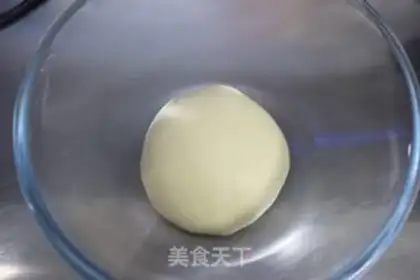
6
Noodles are rounded and placed in large basins where the moisten is fermented on the basis of warm and wet sites, such as fermenters or ovens, at temperatures not exceeding 28 degrees。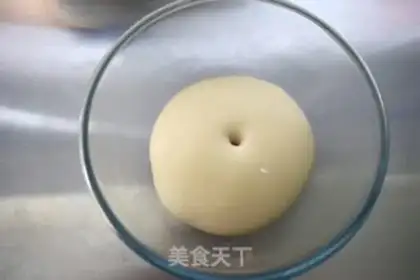
7
The pasta is twice the size of the original, with a finger-tiped flour poking a hole in the top, without collapse and a slight contraction, and the fermentation ending。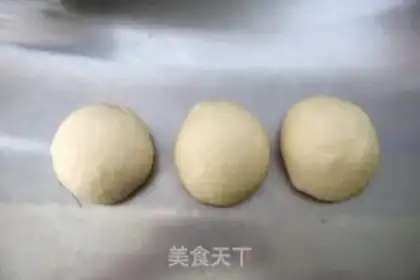
8
The noodles were placed on the operating table, with a light stroke of the exhaust, with a heavy split of 3 equals, a round, a shrouded membranes for about 15 minutes, a finger on the face, and a finger pointed at the pit before the bullet was dropped。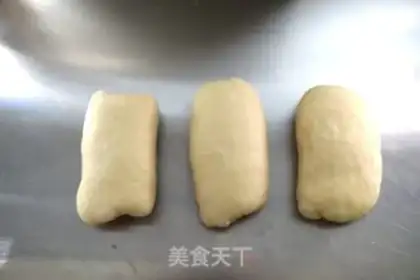
9
It flattens, folds, shuts down, shrouds for about 15 minutes, tested in the same manner as step 8。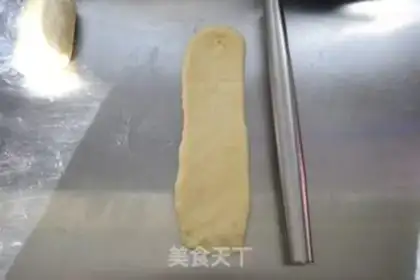
10
The face of the face is smooth, and it's about 30 centimetres long, turning over。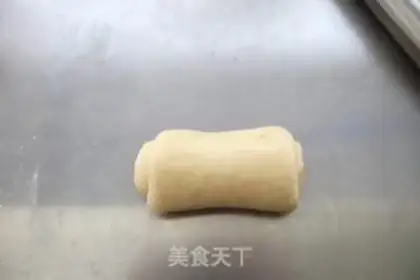
11
Scroll from top to bottom and seal it down below。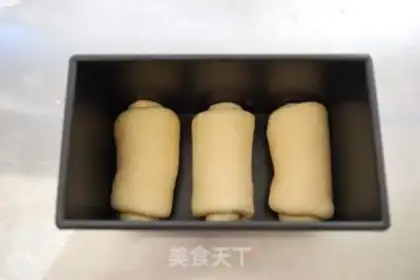
12
Three noodles were processed sequentially, coded in 450 grams of low sugar toast boxes, with a second fermentation in warm and wet places; for example, by means of ovens or fermenters, increasing humidity and temperatures between 35 and 38 degrees。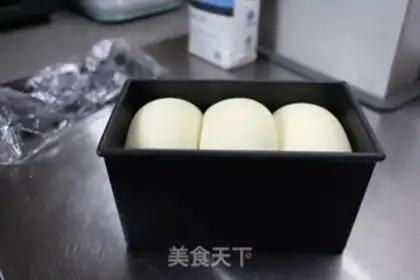
13
Faces reach full by 9 minutes, water-light muscles tend to be pretty; oven preheating 180/200 degrees; temperature can be 200 degrees if not separately controlled。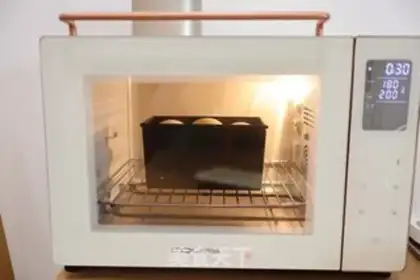
14
Toast scaffolds are sent to the lower and middle of the preheated oven, with an upper and lower fire of 180/200 degrees for 30 minutes。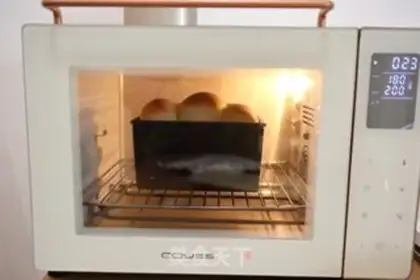
15
This is a six-minute roasted state, which has risen to its highest height, and the top colour is more visible and can be covered with tin paper when it reaches a satisfactory colour。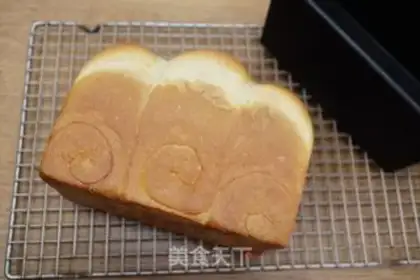
16
A few shakes of the toast box in the back of the oven, and the toast is disillusioned。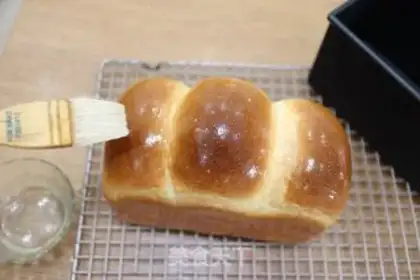
17
The pre-melted butter is brushed on the surface, both on the top and on the focus, and is then sliced, stored in bags。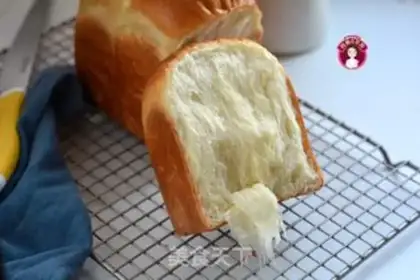
18
Polish spicy toast, lass, soft insidePolish original toast Make Tips
Polish species can ferment overnight or as soon as room temperature fermentes are in place; Polish toast or bread can slow the aging and be soft for three days, but it's so good that they can eat all at once and be seen on the breakfast face of the next day; 2. flour has different water intake rates and humidity in the working environment so that liquids can be prepped on the face while rubbing, and can be added to the face profile; 3. toast without egg fluid before the oven, butter can be brushed on top or around; when the heat gas retreats, the butter will be fully absorbed, and the color will be softer and softer than the egg brushing; 4. I use French scavengers, so that the heat and the time of the ovens will be adjusted in accordance with the reality of the situation in the oven, the plastics used, the preferred colours and tastes