Coconut bread
By VicentaLakin
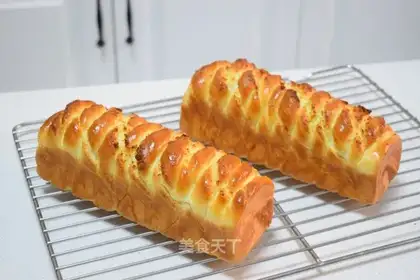
the soft and delicious coconut bread is truly the benefit of coconut control, full of coconuts. this time i have to compliment the beautiful kaoker oven, which is very uniform. for the first time in its hot wind system, its direct currents are used in the oven! the two direct-flow electric machines rotate in a direction that provides thermal wind power to the cavity; they rotate every three minutes to achieve the perfect complementarities of the thermal wind and heat in the cavity; and they achieve a levelling of the cavity space. the development model also allows for wind-engineer speed and shift-cycle adjustments. it's really too advanced。
Recipe Recommendations
- high-gluten flour 160 grams
- Dry yeast (high sugar tolerance)
- water 100 grams
- no appropriate amount
- white sugar 35 grams
- salt 3.5 grams
- milk powder 18 grams
- whole egg liquid 35 grams
- butter 25 grams
- milk 30 grams
- coconut 55 grams
- sweet fragrance
- roast
- several hours
- senior
Steps for Coconut bread
1
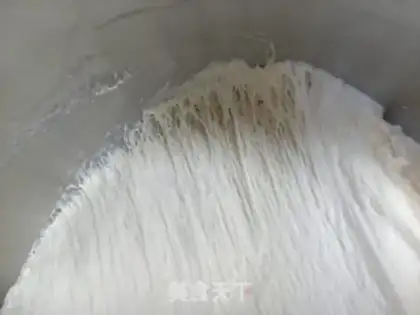
The Chinese materials can be evenly mixed and the sealed refrigerator can be refrigerated overnight (with direct room temperature fermentation). If no beehives appear in the freezer overnight, two reasons are considered for low cooling temperatures or failure of yeast. You can take it out of the room and have a look。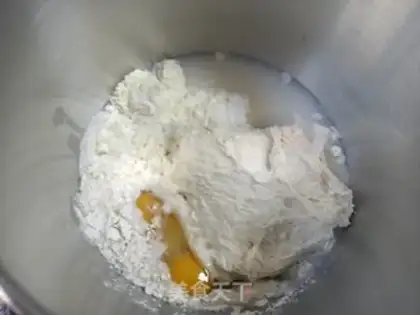
2
Chinese products and other materials, other than butter, were placed in the scavenger。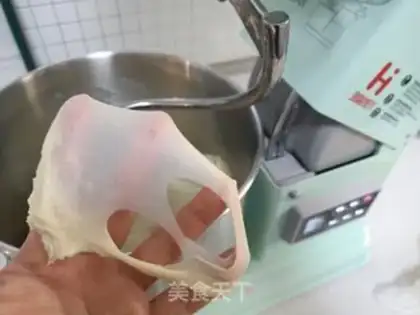
3
The cooker ' s machine was first moved to the first stage to mix the material into a cluster. The grouping was rearranged in four rows for five minutes, at which point the edges of the thin hole were pulled with sawn teeth and butter. In the first row, two minutes of rubbing, low speed, allows butter to be fully integrated with the pasta。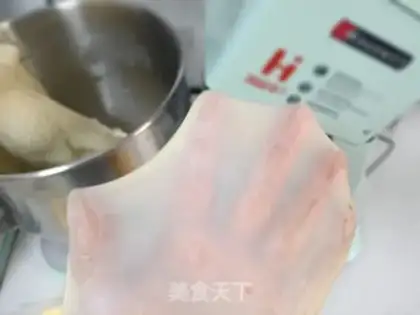
4
Five more rows of four minutes, so that you can pull a resilient film。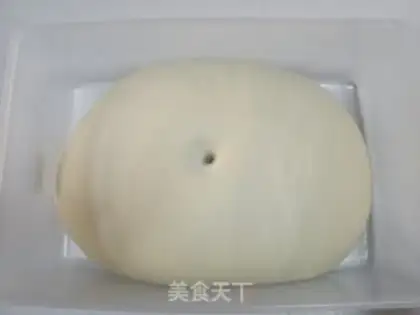
5
It's a nice way to put a nice piece of pasta on the top of the box. In about 50 minutes, the pasta was removed, and the finger sticky flour was poking a hole in the paste, and it was enough that it would not collapse。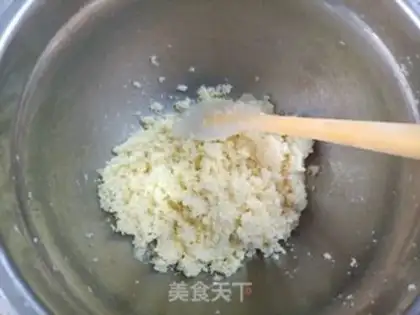
6
Make coconuts while the noodles are fermented: put butter, sugar, milk on the sides of the milk pan until the material melts out of the fire, mixes the whole egg fluid evenly with the heat, and mixs the coconuts。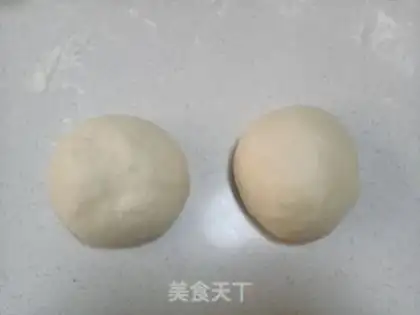
7
The dough is divided into two pieces on average, approximately 300 grams each. Rolling round caps to keep the film loose for 10 minutes。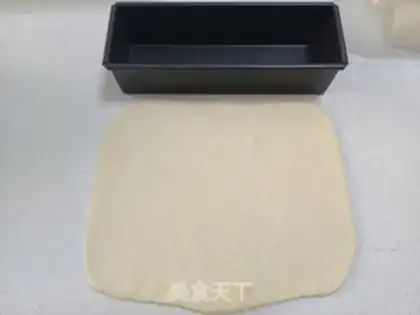
8
TAKE ONE OF THE NOODLES OPEN WITH A CANE, A SMALL BUBBLE ON THE EDGE OF THE EDGE, BROKEN WITH A HAND, AND A FINE WIDTH EQUAL TO THAT OF A MOULD (SN21343)。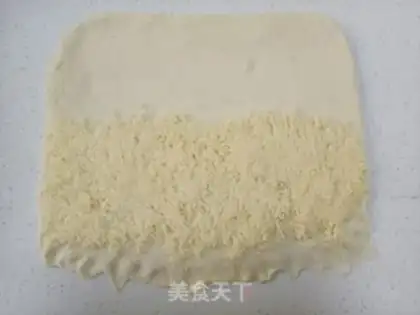
9
Take half of the coconuts and rub them in the lower half of the face。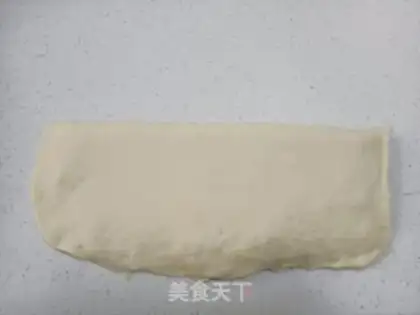
10
Aligns the first half of the face with the lower edge, and gently presses the side。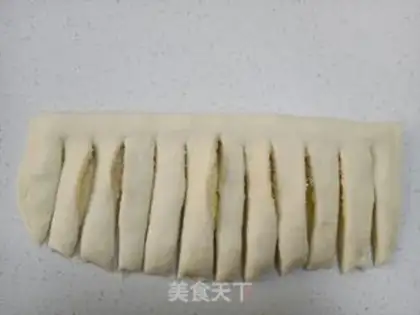
11
Cutting 12 pieces on average with a scratchboard and not cutting up。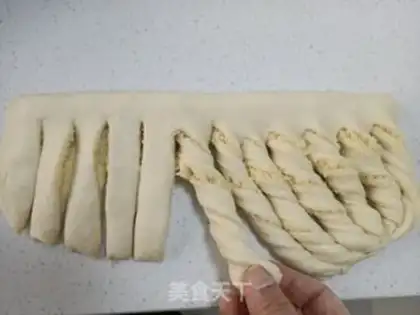
12
As shown in the figure, each article is twisted three times in one direction, and the twisted bottom is stuck together to prevent deformation。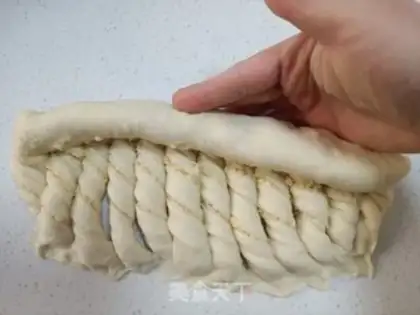
13
And when they're done, they roll up and down with their hands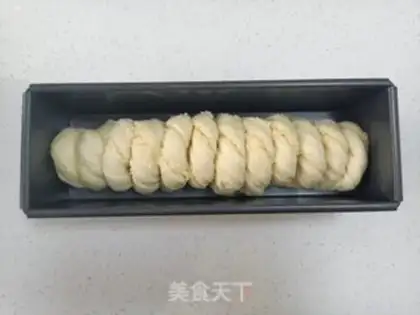
14
Roll in the mold, interface down。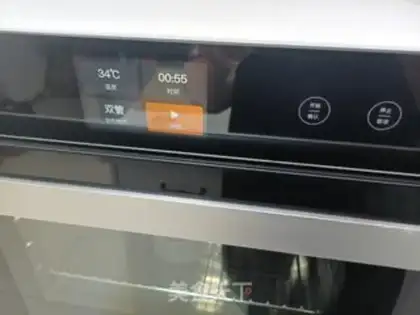
15
two of them were rolled up and placed in a beautiful kaoker 1 smart oven, with an fermentation function temperature set at 34 degrees for 55 minutes and a precise fermentation temperature。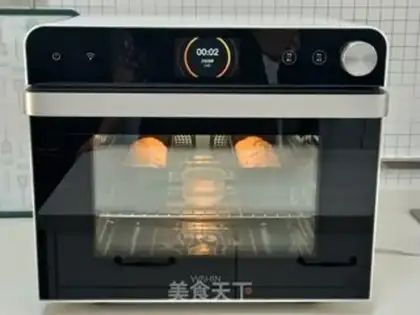
16
The fermentation is accompanied by a small bowl of water, increasing humidity。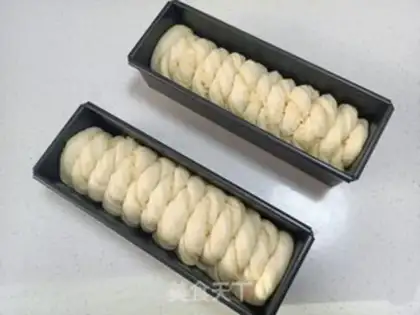
17
Just send it to eight。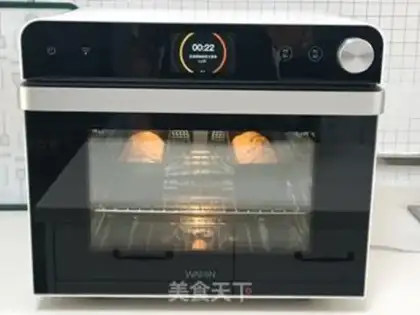
18
once again, the beautiful kaoker 1 smart oven warms 180 degrees, 10 minutes preheat, and then put it in the middle, about 25 minutes baked, with a very even colour. the temperature and time are adjusted to the temper of your oven。
19
It's fine to get out of the oven and get out of the dry。Coconut bread Make Tips
One, the flour brand, and the amount of water used, suggests that the water in the main face group should be kept, depending on your condition. 2. When making coconuts, be careful that the final coconut is not completely inverted at once, and adjust the amount used (which varies from coconut brand to size) for reference purposes only. 3. The temperature and timing of the baking vary depending on the use of the mould, the material, the baking equipment and the number of baked units. Each oven has a different temper, so the temperature and time of the oven is for reference purposes only and is adjusted for each oven。