Soft French bread
By VicentaLakin
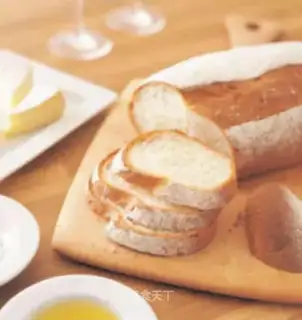
Recipe Recommendations
- high-gluten flour 300g
- fast fermentation mother 3g
- white granulated sugar 10g
- milk
- sea salt 5g
- olive oil 15ML
- ghee
- sweetening
- roast
- several days
- ordinary
Steps for Soft French bread
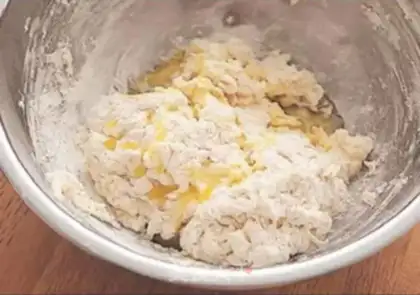
1
Adding high-banded flour, fast-growing fermentation, quickly dispersing it, pouring the remaining milk in, pacing it with a scratchboard, mixing it all with olive oil, squeezing it with the hand and extending the olive oil。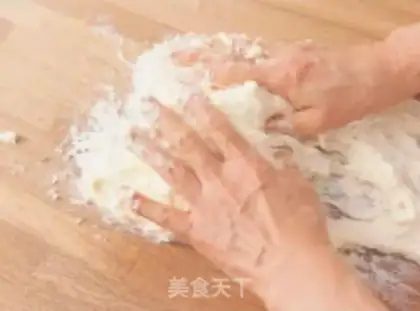
2
Move the dough to the operating table and scrape it off with a razor or a plate if it is attached to the casserole。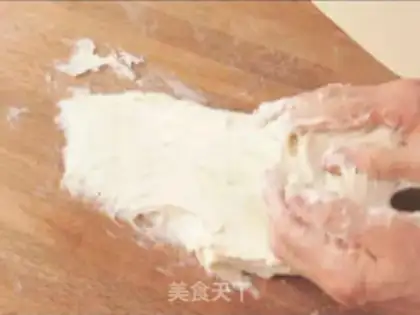
3
Put your hands and hands on the face of the face, rub it like a circle until it becomes soft. In the beginning, the noodles may stick to the hand or to the operating table, so that they are ready to be scraped or shaved。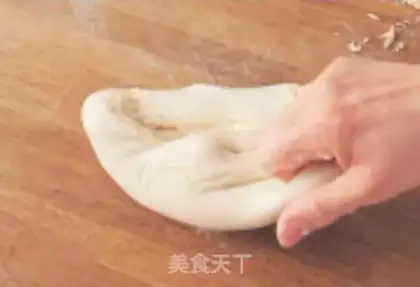
4
When the noodles are not loose, they fall to the operating table with a single hand, then they are folded, then they hold the face of the face, and they repeat the steps of wrestling and squeezing。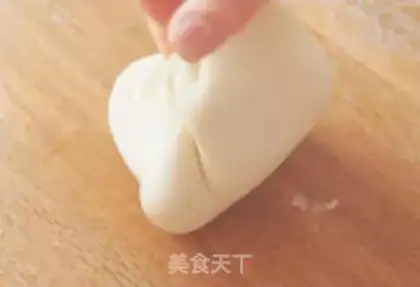
5
BE CAREFUL THAT EACH SIDE IS EVEN. THE TEMPERATURE AFTER THE CRUSHING IS 26-28 DEGREES C。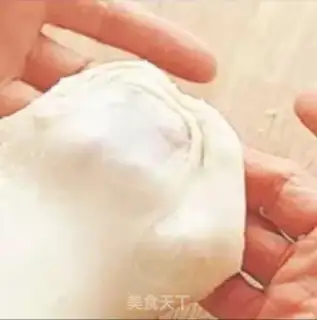
6
If it can be extended to see the thinness of the finger, it is successful. If there's some damage, go on。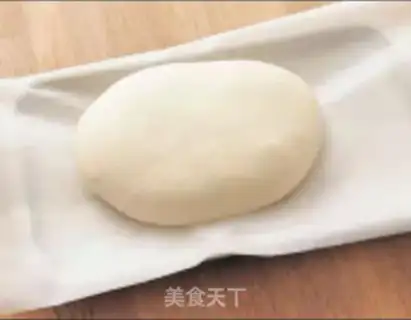
7
Flour is formed into an elliptical form, placed on an oven with paper and folded around to cover it. The whole oven was then packed in plastic bags into a freezer and bought one night for the first fermentation。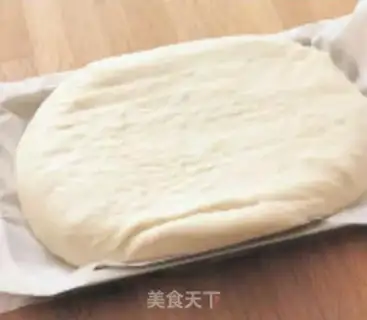
8
The first fermentation is followed by an expansion of about 2.5 times. The plastic bag was removed and the paper on the lasagna was removed lightly. If the noodles are glued to paper, they can be scraped off with scratches if they are to be ripped off by hard force。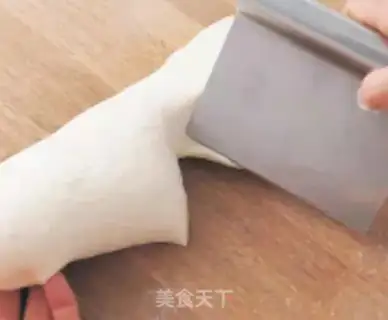
9
MOVE THE NOODLES TO THE OPERATING TABLE. WHEN THE DOUGH COOLS, IT BECOMES A LITTLE HARD, SO IT HAS TO BE SQUEEZED GENTLY WITH ITS HANDS TO RESTORE THE TEMPERATURE TO ROOM TEMPERATURE (25-28°C). TO CUT THE FACE IN TWO PIECES WITH AN OVEN OR A SCRAPER, SOME FLOUR CAN BE SPRAYED IF IT IS ADHESIVE。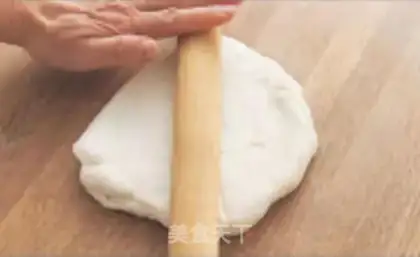
10
With a cane, the face of the face is gently spun into a four-angle shape, ensuring even thickness。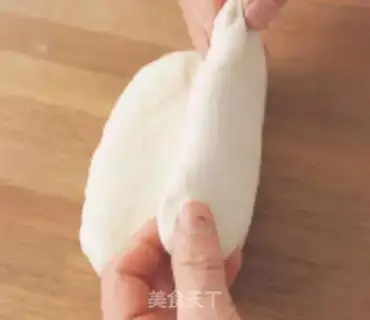
11
We'll split the noodles by half。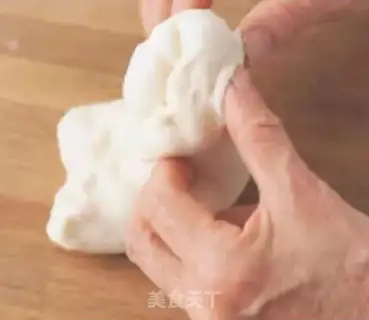
12
The line is up, the face is turned to 90 degrees, half-turned, and the rest is fabricated。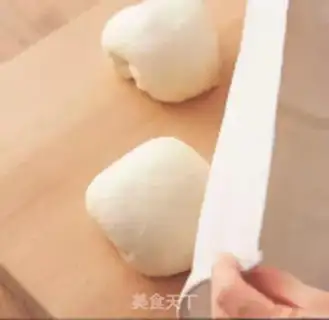
13
The noodle line is decentralized to the operating table, followed by a layer of tarpaulin (or thicker cloth), a dry wet cloth (or a plastic bag) and a waking face of about 20 minutes。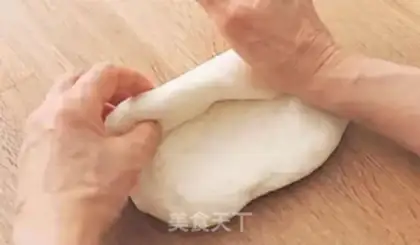
14
squeeze the noodles one by one in the hand and squeeze out the air. with a cane, the face of the face is condensed into a square of approximately 20 cm in length, folding one third from one side to the inside and pressing the line with the wrist。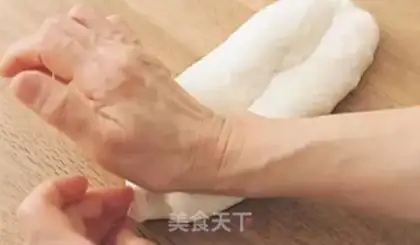
15
Move in the same direction as 11。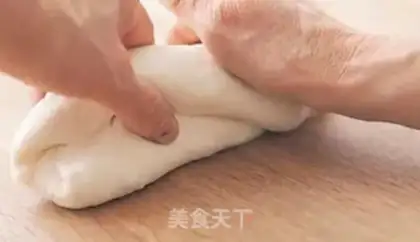
16
half-turned, the condensed line was rolled by hand into a rectangular french bread shape of about 21-23 cm thick and fine. the rest of the dough is also made of ponds。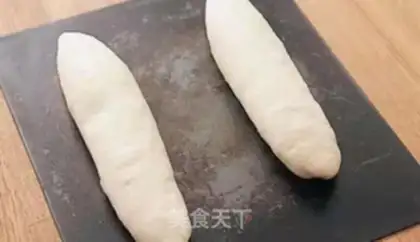
17
The line of the noodles is down and placed on a grill that has been pre-painted with a thin layer of soaking oil and leaves a gap in the middle。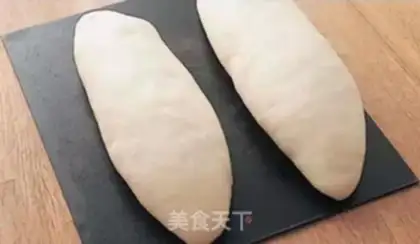
18
A LAYER OF TARPAULIN (OR THICKER CLOTH), A DRY WET CLOTH, A PROTECTIVE FILM (OR A PLASTIC BAG) IS THEN PLACED IN SEQUENCE FOR APPROXIMATELY 60 MINUTES IN AN ENVIRONMENT ABOUT 30 DEGREES C FOR FINAL FERMENTATION。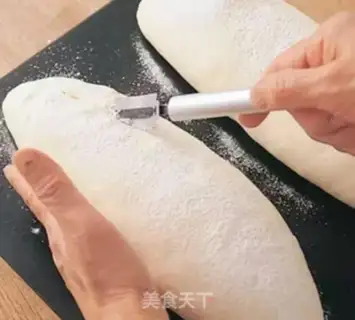
19
ON THE FACE OF THE FACE OF THE FACE, THE FLOUR IS SO THICK THAT THE RIGHT SIDE OF THE FACE IS DRAWN WITH A CUTTER WITH WATER. THE DEEPER THE CUT, THE MORE BEAUTIFUL THE CUT IS. FINALLY, THE 200-DEGREE C OVEN WAS BAKED FOR 20-25 MINUTES。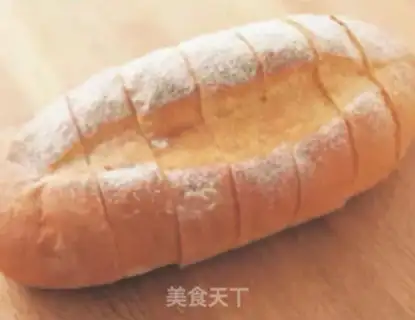
20
Then cut it off。