Bean sprouts
By VicentaLakin
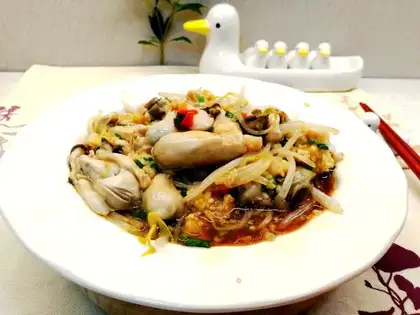
The stork is a nutritious seafood; the "cool-water-hot clam" means the stork. The meat is the fattest when it is cold; the clams are the fattest when it is hot in the summer, and the beak is the best season to eat before spring. It's a nice, super-eating meal, and it's just a twirl, and it's fresh and tender soybean。
Recipe Recommendations
- medium spice
- mix
- half an hour
- simple
Steps for Bean sprouts
1
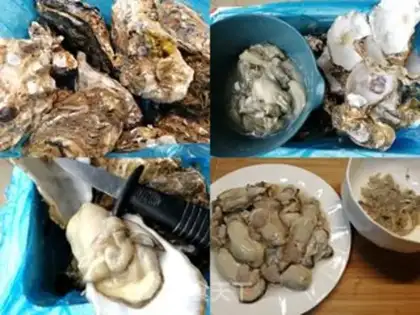
Handle the pelicans, remove the live sleigh shells, remove the internal organs, clean them up one by one。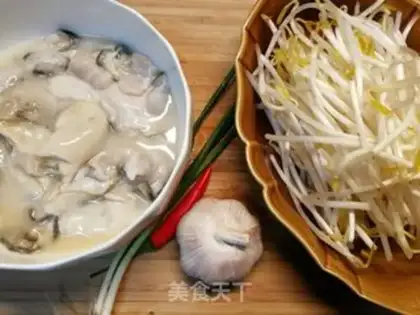
2
Wine and starch, a little salt, and a little lemon juice for about 10 minutes。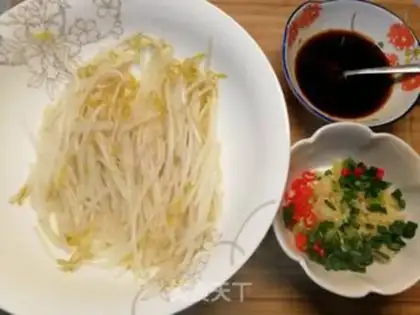
3
Green bean sprouts are removed from their roots, water is immersed for about 10 minutes, water is washed clean and dried, water is boiled in the pot, a little salt and vegetable oil is put in half a spoon and green bean sprouts are rinsed up for one minute。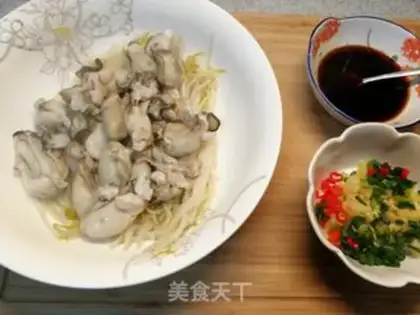
4
Put it in a deeper plate, strip the garlic head off, crush it into garlic, clean the peppers, clean the onions。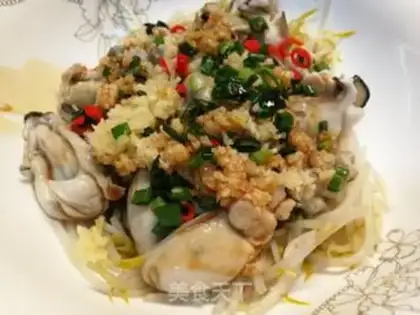
5
Put stork oil and oyster sauce on it, and put ready on the platinum with the onion garlic and pepper。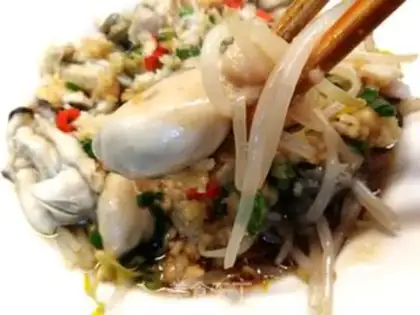
6
Prepare a pot, which is hot and hot, and pours the oil into the platinum, so that it may be smouldered, and soaks of fresh bean sprouts and freshly fragrances of beads, each of which will roll over your buds。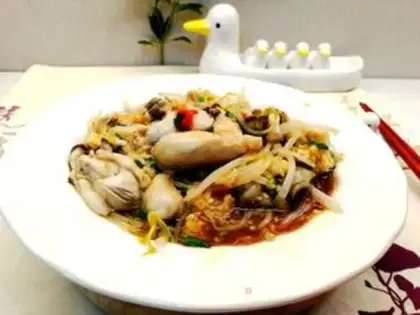
7
Come and try your favorite friend。Bean sprouts Make Tips
Attach a little common sense: the difference between an oyster and an oyster, which is actually an oyster, which is commonly known as an oyster, and an oyster, which is a kind of an oyster, is that the difference is that it is larger than an ordinary oyster, and the most likely to be more than a pound of shells。