Milk barley
By VicentaLakin
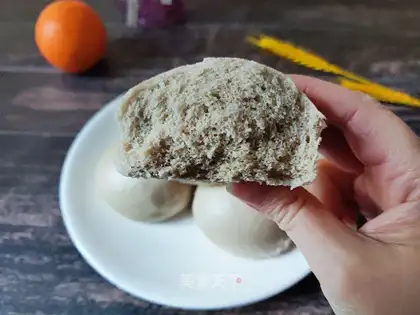
My breakfast usually comes with porridge, rice flour and noodles. When I eat porridge, I'll make some buns and buns and stuff one night ahead of me. I made a couple of milk barley buns today, and I watched ash puff, and I didn't know it was delicious. The flour was filled with oil and no sugar, but the steamed buns chewed with natural flour and sweet. There's barley in there, but it's not thick. It's delicious。
Recipe Recommendations
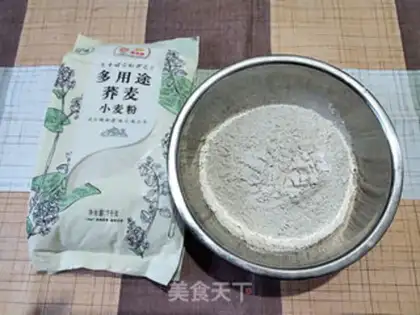
- Arowana multi-purpose buckwheat wheat flour 220 grams
- milk 130 grams
- dry yeast 3 grams
- corn oil 10 grams
- milk fragrance
- steamed
- several hours
- simple
Steps for Milk barley
1
Count good flour. I make seven pots at a time, 220 grams of powder, 200 grams of powder for buns。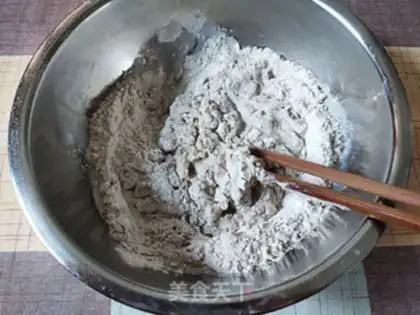
2
Flour is mixed with yeast, which is then poured into the oil, pouring milk while entanglementing the face with chopsticks。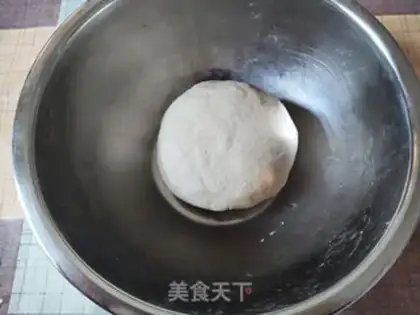
3
Then you rub it in a smooth face, and you ferment。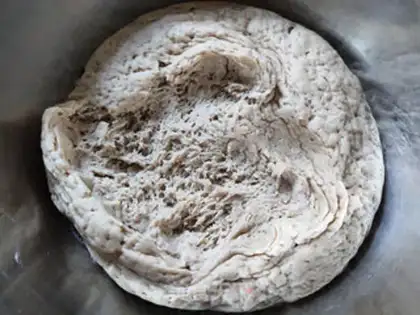
4
The noodles are fermented to 2-2.5 times the size of a loose honeycomb。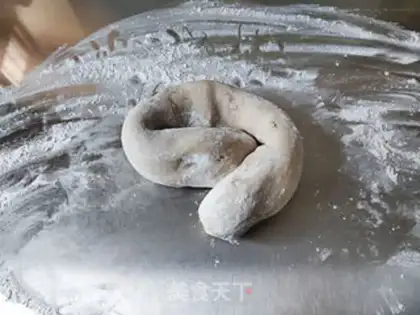
5
A bit of dry powder was thrown on the board, the fermented noodles were removed and the pressure exhaust was folded over and over again。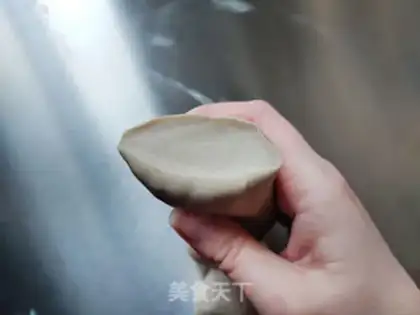
6
Take a look, there's no visible air hole。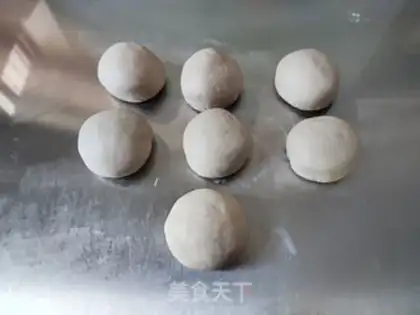
7
The noodles were divided into several pieces and covered with 10 minutes of static. I usually make seven。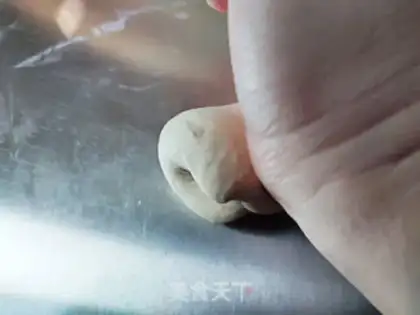
8
Take a small noodle and fold it over and over again with your hands. I'm rubbing a hundred, and there's no bubbles and a smooth surface。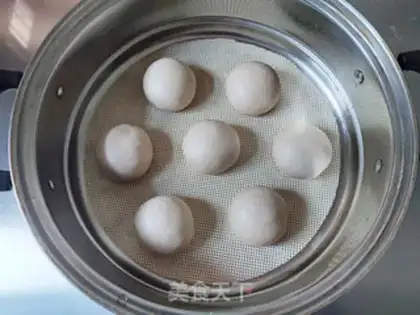
9
Twisted face, rounded up, covered up and awakened。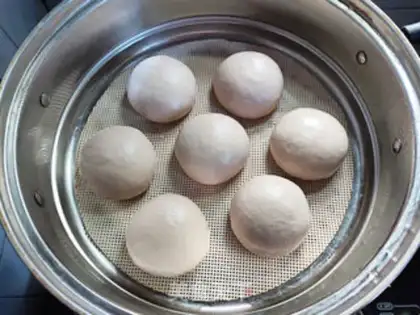
10
Wake up to 1.5 times bigger. The water was then burned, steamed for 15 minutes, and the fire was shut down for three minutes before the building was opened。Milk barley Make Tips
One, different brands of flour have different rates of water consumption, and I usually have a ratio of about 100:55-60, and a niced pasta is as soft as earplugs, which makes the buns softer. A little oil is added to the flour, and if the oil is not of obvious taste, it will eventually become brighter. 3. The buns must be covered and the last evaporated surfaces should be free of bubbles。