Polish cream toast
By VicentaLakin

This toast, soft and delicious, it's fertilized, greasy, biting down, lips are in love. Sweet MacSamali has captured my little partner for toast. It's a good toast expansion and moisture, but it's not too old for three days. First of all, it is a practice to mix flour with water at a ratio of 1:1 by adding a little 0.5-1% yeast, which is prefertilized and mixed with other materials. The simple Polish practice of mixing flour, water and yeast evenly, and the very wetly fermented Polish species, which are also called liquid species, can effectively slow down water loss, prolong the ageing of bread and keep it soft for three days, which is a key secret for ensuring the taste of toast
Recipe Recommendations
- high-gluten flour 75g
- water 75g
- yeast 0.5g
- light cream 70g
- fine sugar 40g
- whole egg liquid 55g
- milk powder 10g
- salt 3g
- unsalted butter 6G
- sweetening
- roast
- several hours
- senior
Steps for Polish cream toast
1
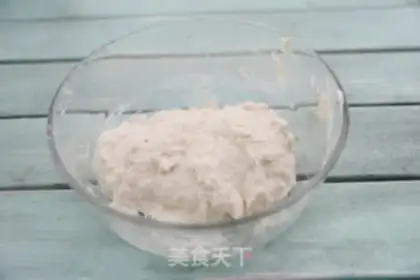
Combination of all materials of Polish yeast. (It's also possible to ferment the Polish species with cold fermentation, which can be taken out early and added directly in heat)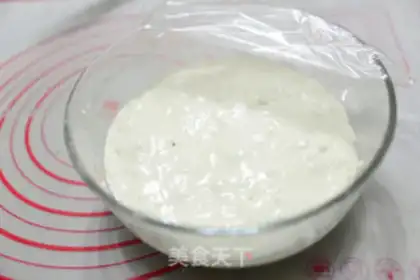
2
The fermentation to the surface of the lasagna clearly shows many bubbles。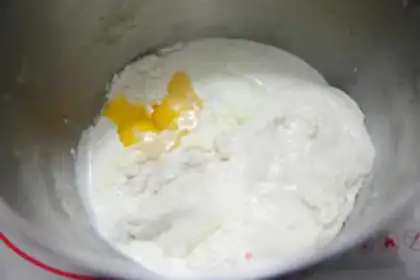
3
A mixture of all foods except butter (including Polish species) is included in the pasta。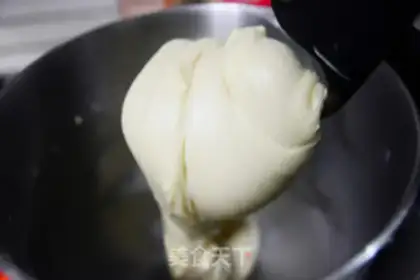
4
Slipped into a smooth pasta and added butter to continue to the full phase。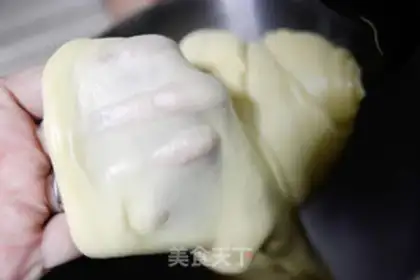
5
To the point where you can pull out large, transparent and solid film。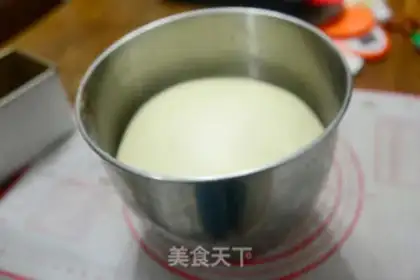
6
Scraped faces are placed on the cover of containers, with basic fermentation up to a factor of 2 ~ 2.5 in an environment of 25-28 degrees, and puffed fingers do not fall apart。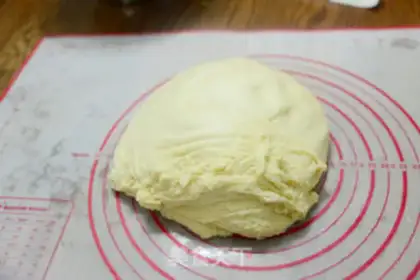
7
Take out the fermented noodles, light-shot the exhaust。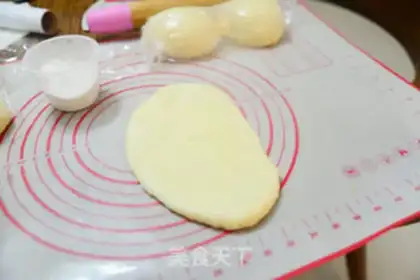
8
The weighting was divided into three copies, and the shrouding covered the film for 20 minutes. Take a nice, loose pasta, and make an elliptical。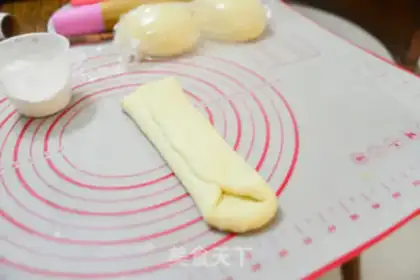
9
Flipped, folded from one third to the left and one third to the right。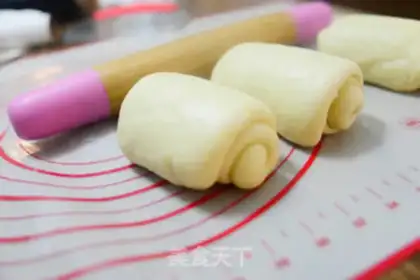
10
And a little stretching from above and down with a scepter. Three noodles in turn。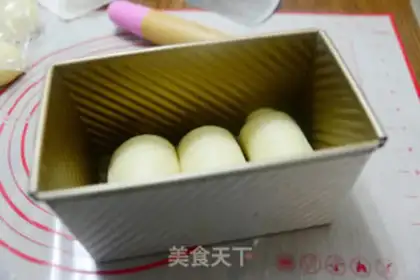
11
In the toast box, fermentation takes place in an environment around 75% humidity of 37 degrees。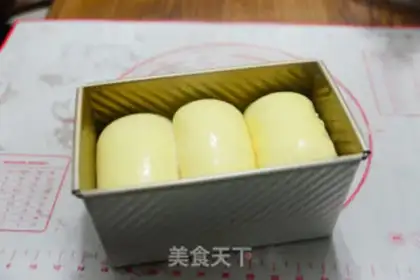
12
Flows to 8-9 full, with a light-fisted surface that can slowly bounce back and a surface brushes the egg fluid。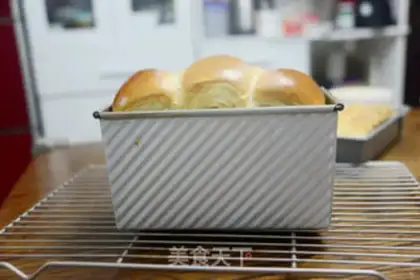
13
Put it in a pre-heated oven, and 40 minutes of roasting at 180 degrees in the lower tube, with tin paper on the top in time。Polish cream toast Make Tips
1. Polish fermentation can be used immediately or in the fridge overnight. The amount of liquid in the flour is to be adjusted flexibly to the water intake of flour, the environmental humidity and the effect of machine laminate. Ten grams of liquid may be added as appropriate. The film drawn on the face must be thin and solid, not too thin, but not too thin. Too thin a membranes do not support the expansion of the noodles, and the absence of a membrane tissue can cause greater resistance to the noodles' expansion, as well as affect expansion. The first base fermentation does not recommend more than 28 degrees, and fermentation cannot be excessive but must be in place. Eye fermentation up to 2 - 2.5 times the initial volume, finger-dry flour piercing a hole, with no immediate contraction or collapse of the hole, or a minor echo, or, if the fermentation falls, it would not be delicious if the fermentation was shown to be excessive, and the fermentation would be rough. 4. If the pasta is sticky, a small amount of high powder can be distributed to assist in the condensation. The second fermentation proposal is not to exceed 38 degrees and to control the ambient temperature at the time of fermentation in such a way that local temperatures are too high to affect the taste of bread. 6. Bread baked midway is more observed, and once coloured enough, tin paper is added in time to avoid over-colored or over-stuffed skin roasted。