Cream toast
By VicentaLakin
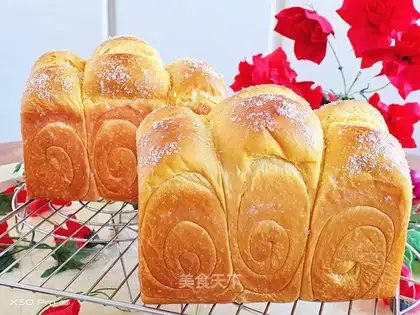
Potatoes are one of the foods that our family must have for breakfast every day, rubbing mashed potatoes into a noodle and making toast. They are attractive, soft, nutritious and delicious. The potatoes used in this paragraph are soft and have a large water content and, in the case of powdered potatoes, milk (liquids) needs to be adjusted as appropriate. This formulation is for two 450 grams of toast。
Recipe Recommendations
- high-gluten flour 580 grams
- cooked sweet potato mashed 290 grams
- milk powder 20 grams
- eggs of 2
- white sugar 50 grams
- milk 100 grams
- yeast 6 grams
- salt 5 grams
- butter 40 grams
- egg liquid appropriate amount
- coconut appropriate amount
- sweetening
- baking
- several hours
- ordinary
Steps for Cream toast
1
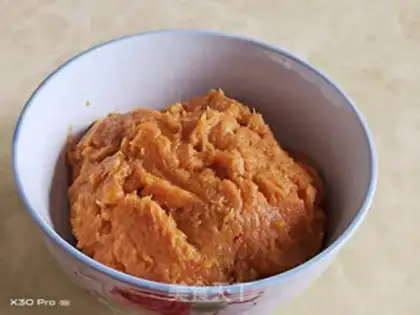
The potatoes are washed, decorated, sliced, evaporated, made into mud with a mixer。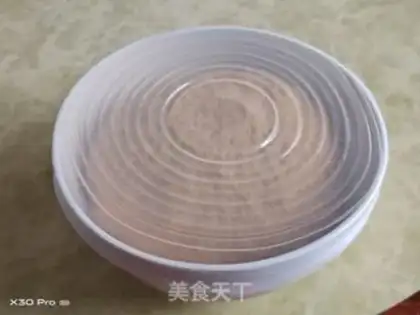
2
All materials other than yeasts, salt and butter from the main material are mixed into dry powdered powder, covered by a membrane and placed in a freezer (water licit, bubble face) for one night or room temperature for more than 30 minutes。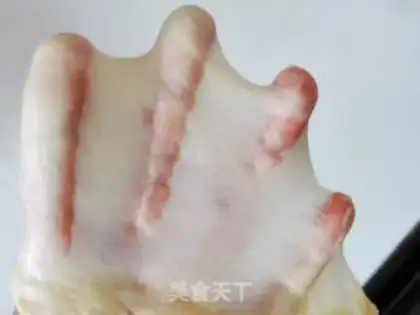
3
After long periods of static, the noodles naturally form a noodle, without rubbing the face, and the hand pulls out a slightly thick, very resilient film. After the noodle is removed, the yeast is added, and the yeast is dissolved without particles (if the noodle is rigid, the yeast can be dissolved with a few drops of water, with as little water as possible, and can be squeezed with hands). The fermentation is sufficient, when the yeast is in a dense paste and then rinsed into the noodles, which are then added to the salt, then melted to the salt, and finally added to the butter, then to the state of full expansion, at which point the face of the face is smooth, and the thin, unbreakable membrane can be pulled out。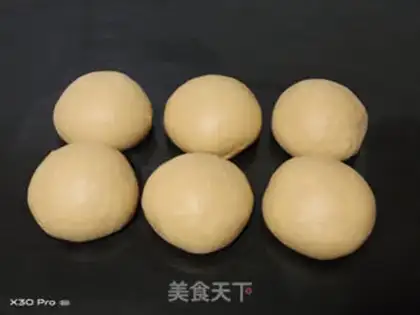
4
No fermentation, straight into six equals, rounding, covering the membranes for 15 minutes。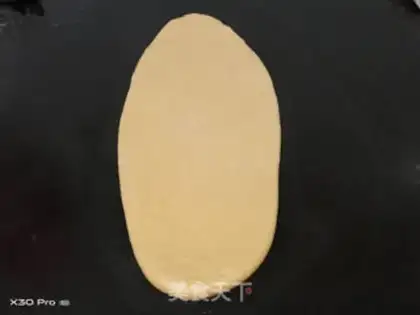
5
Take a small group of noodles and use a cane from the middle to grow the squares up and down, respectively。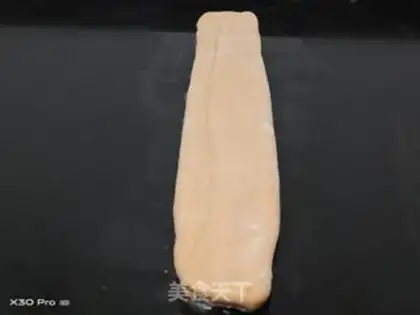
6
Turn between them, long。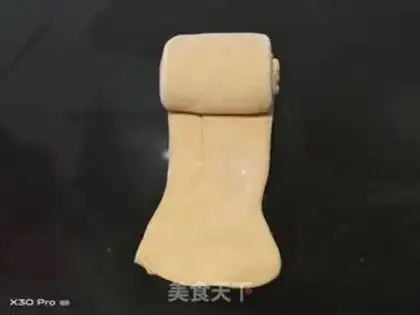
7
Thrust the base of the face and roll from top to bottom. Each time it folds and rolls up, the smooth face is directed outward。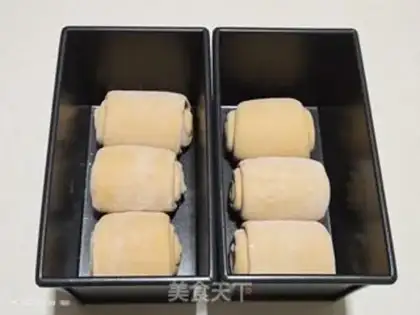
8
In turn, complete the rest of the small noodles, in three groups, in the same direction as the rolls and into the toast box。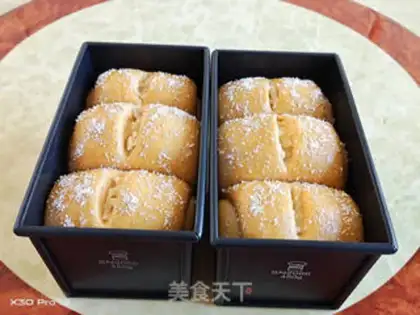
9
Fermentation to full 9 (fermentation does not look at time), surface brushing of egg fluids, some coconuts, cutting between the top of the fermented face with sharp blades, or with scissors, squeezing some butter (slightly)。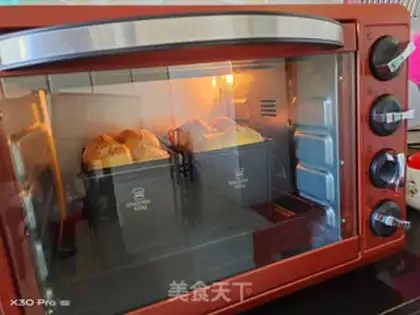
10
Put it in a pre-heated oven, at the bottom, up and down the fire, with 130 degrees baked for 35 minutes and about six minutes baked with tin paper to prevent the surface from being too coloured (time, temperature according to the oven). The molds are placed on the grill to prevent oil spills。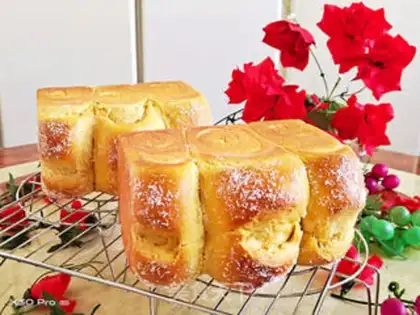
11
After roasting, they are removed, demodeled, side-stuffed in cold webs to cool (to avoid a collapse of the back), and when there is some heat, they are sealed in a bag。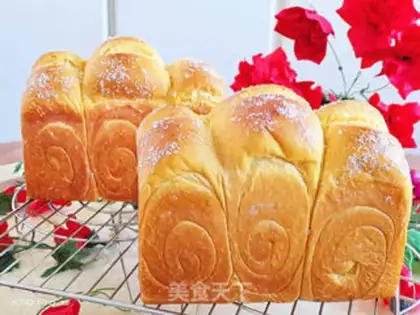
12
Fluffy soft, Pipples。Cream toast Make Tips
1. The bake time and temperature is adjusted to the home oven. During the baking process, the bread is coloured to cover a layer of tin paper. 3. The use of milk is to be adjusted to the water intake of flour and the water content of mashed red potatoes. 4. Using water legitimation (blisten method), all materials other than yeasts, salt and oil in the main ingredient are synthesized into a lasagna, after a long period of static so that flour is fully inhaled into water and naturally formed a facial band, which can significantly reduce the time taken to remove the film. 5. Potatoes are sweeter, and the amount of sugar required for flour is increased or decreased according to their preference。