Souffle toast
By VicentaLakin
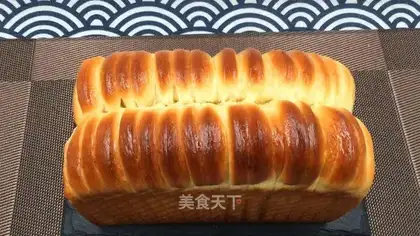
I've recently fallen in love with the Polish way of making bread, slowing the aging of bread, adding to the flavor, making the tissue of bread softer and softer and softer like clouds! With sweet soufflés, the whole bread tastes like a very valuable square。
Recipe Recommendations
- high-gluten flour 240 grams
- milk powder 30 grams
- white granulated sugar 35 grams
- salt 3 grams
- yeast 4 grams
- milk 80 grams
- eggs one
- unsalted butter 25 grams
- qingshui 50 grams
- powdered sugar 15 grams
- whole egg liquid 20 grams
- sweetening
- baking
- several hours
- senior
Steps for Souffle toast

1
First, a Polish yeast, with 50 grams of condensed flour, 50 grams of water and 0.5 grams of yeast, is mixed to dry powder. Room temperature around 25°C, fermenting for 3-4 hours. There are so many small bubbles on the surface of the fermentation that the internal tissues have so many web holes that they don't smell sour, that it's three to four times bigger。
2
When Poland is ready to grow, 240 grams of high-strength flour, 30 grams of milk powder, 35 grams of white sugar, 3 grams of salt and 4 grams of yeast are mixed。
3
Add 80 grams of milk, one egg, a Polish yeast, and mixer。
4
In the vicinity of 10 minutes, the dough is evenly mixed, with 25 grams of softened salt-free butter added to the thick film, which continues to mix。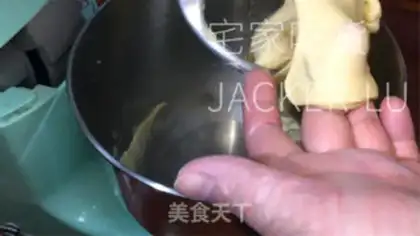
5
In about 15 minutes, you'll be able to get a mitt。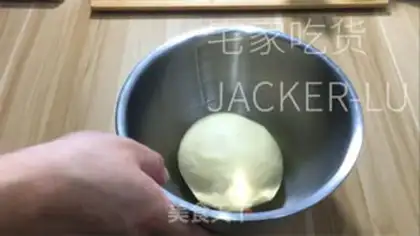
6
Take out the noodles, and then put it in a plastic form, and the fermentation of the membranes is twice as large。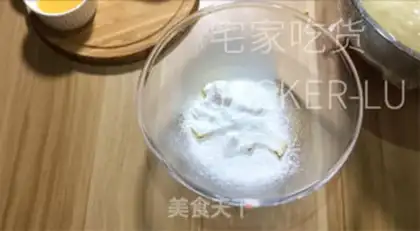
7
While fermenting, we make soufflés, we soften the room with 30 grams of salt-free butter, and we sift in 15 grams of sugar powder。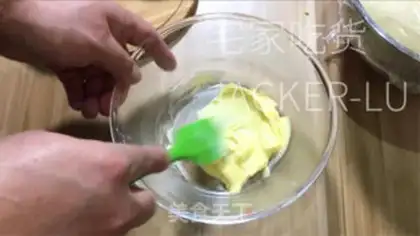
8
Scratched in mud。
9
Full egg fluid, 20 grams in two。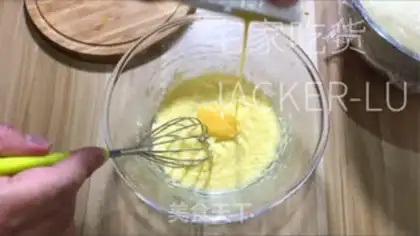
10
Remember to mix it evenly every time。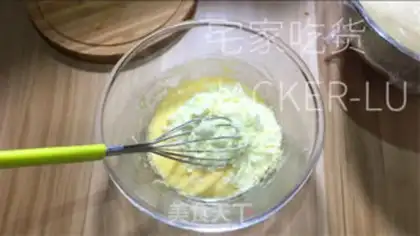
11
Finally, 1 g salt, 30 g milk powder。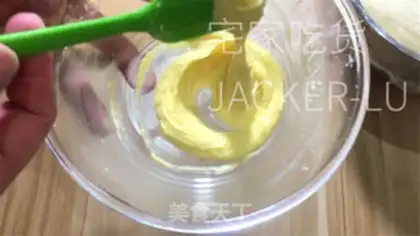
12
Smash it evenly and put it aside。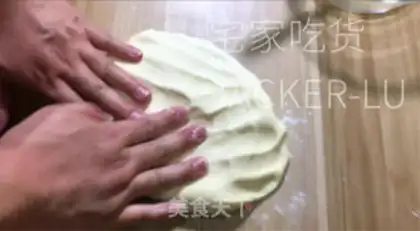
13
Take off the fermented pasta and get some air。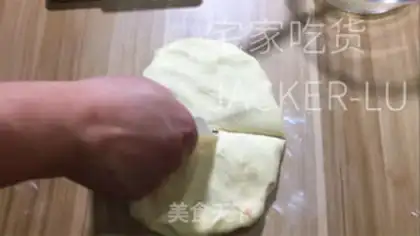
14
A flat split of two。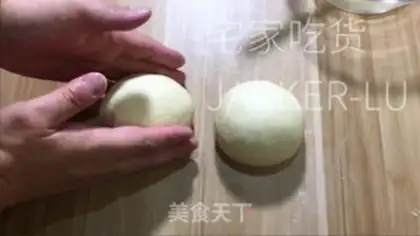
15
Round it up and wrap it up with a membrane for 10 minutes。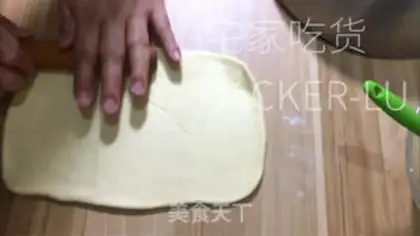
16
Take a nice, loose noodle and grow a square thin。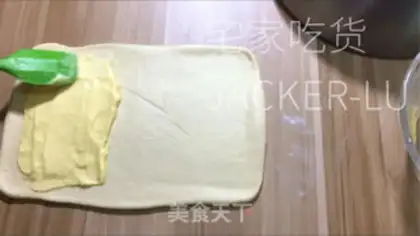
17
One third of the place, put on the souffle ready。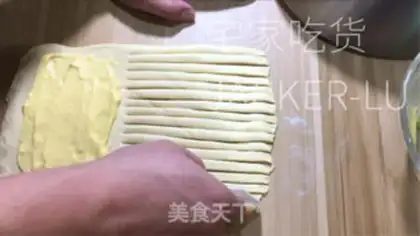
18
And cut into strips where there is no souffle。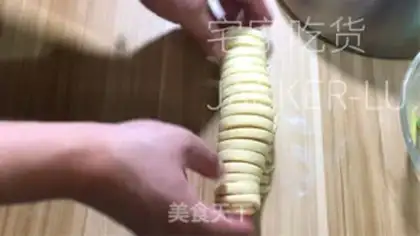
19
From the top of the soufflé slowly roll up。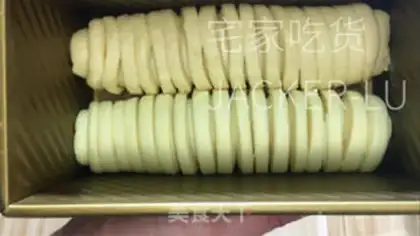
20
This is how both noodles operate, put it in the Toast mold, and do two rounds. The oven is at 35°C and is 70-80% wet, and has a bowl of hot water in the oven that helps to ferment。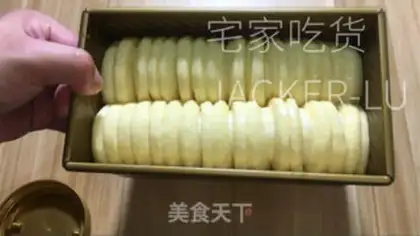
21
When fermented, it was taken out, the bread was coated with yolk, and the oven was preheated and put into the bread。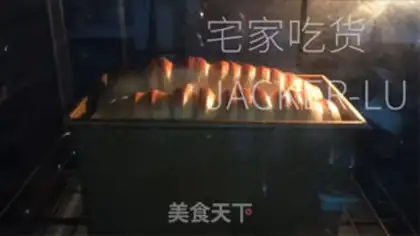
22
The oven is preheated at 170°C for 30 minutes, and the ovens have a temperature difference, and the time of the oven is fine-tuned to their temper。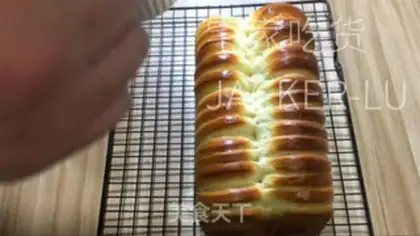
23
When the oven is baked, the shock will be repeated, the internal heat will be blown off and then demould, while the heat will be used to brush a bee water, which is calculated at 1:1。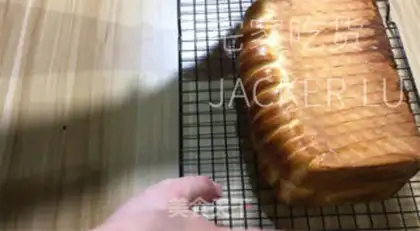
24
Remember to put it side by side and cool it off。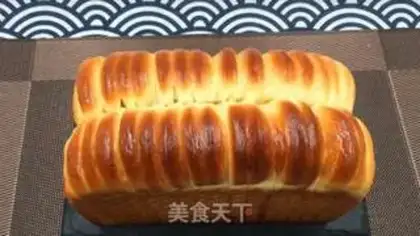
25
SOUFFLE TOAST, FINISH O
26
The Polish method makes the organization softer and softer。
27
Sweet soufflés, to put the flavor on top, are worth a try。Souffle toast Make Tips
1. There are differences in the water-absorption properties of branded flour and, depending on the water-absorption nature of the flour, increases and decreases the fluids in the formula, as appropriate. 2 When the mid-way surface is coloured and a tin paper is covered, the surface is prevented from being too hot. Three, it's hard to bake, and when it's a little warm, it's sealed in a bag, and the skin gets soft when it cools. It is difficult to ferment in winter, so that it can be fermented by covering the film with a warm back or by opening the oven for fermentation。