double skin milk
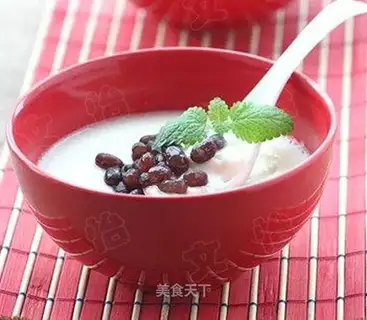
The double skin is white in color, has a rich aroma, tender and smooth on the entrance, and the three senses account for all, so it is not difficult to make. The first layer of milk skin is sweet and fragrant, and the second layer is fragrant and smooth. The combination is seamless, hence the name "double skin milk". It can be eaten cold and hot, and the same delicacy is invincible. If you like, you can also add bubbled raisins
Recipe Recommendations
- egg white bis only
- condensed milk appropriate amount
Steps for double skin milk
1
First pour the milk into the pot and simmer slowly until it has just boiled (boiling for a long time will destroy the protein and no milk skin will be formed), then pour into a large bowl. At this time, you can see the surface of the milk. A wrinkled milk skin.2
The milk needs to be boiled for a while to allow the milk skin to fully condense.3
Take an empty large bowl and put two egg whites (I think everyone knows how to separate the egg whites and the egg yolks, so I won't say much), condensed milk (honey), and stir well (don't beat for too long, otherwise the eggs will turn into blisters).4
After the milk cools a little, use chopsticks to puncture the milk skin or rotate the milk skin without puncturing the milk skin and pour out the milk under the milk skin into a large bowl containing egg white and stir evenly (do not pour out all the milk, leave a little to moisturize the milk skin)5
Then slowly pour back along the edge of the bowl back to the big bowl with the milk skin left. You can see that the milk skin will float on its own.6
Finally, cover the milk with the milk skin\eggs with plastic wrap and place it in the pan and steam it with water for about ten minutes (use chopsticks to stab it in from the middle, and no milk flows out, which means that it has condensed, and you're done)double skin milk Make Tips
1. Use whole milk; the higher the fat content, the better; 2. Let the boiled milk stand for a while to allow the milk skin sufficient time to fully form; 3. Simmer slowly over low heat and turn off the heat as soon as the milk has just set, as overcooking will result in a poor texture; 4. While waiting for the fresh milk to cool and the skin to form, do not be disappointed by the thin skin that forms; the top layer of milk skin will thicken after the egg mixture is poured in and steamed.