The whole wheat bun
By VicentaLakin
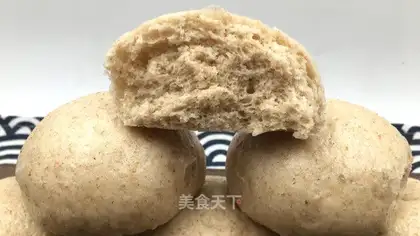
Today, making a sugar-free, oil-free whole wheat bun, abandoning the addition of sugar and oil, being nutritious and rich in dietary fibres, vitamins and minerals, contributes to the health of the digestive system and stabilizes blood sugar levels. Whole wheat buns provide more sustainable energy and give life to the body than traditional white-faced buns。
Recipe Recommendations
- whole wheat flour 100 grams
- qingshui 150 grams
- ordinary flour 190 grams
- yeast powder 3 grams
Steps for The whole wheat bun
1
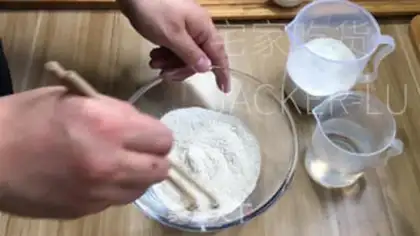
100 grams of whole wheat flour, 3 grams of yeast, mixed。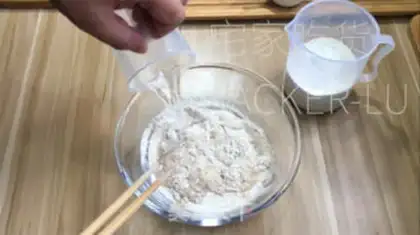
2
Add 150 grams of clean water and mix evenly。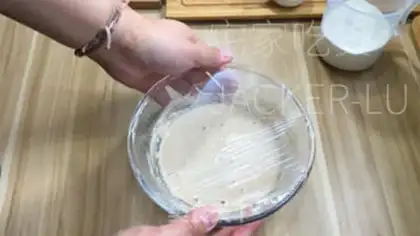
3
Covered with film, room fermentation is about an hour, up to a factor of 1.5。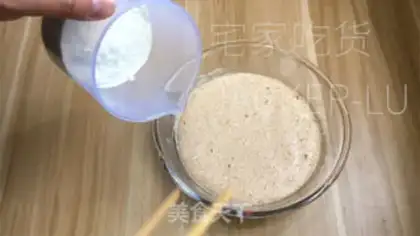
4
Add regular flour 190 grams。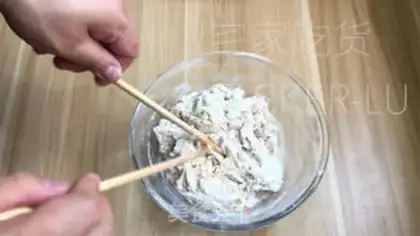
5
We'll start with chopsticks。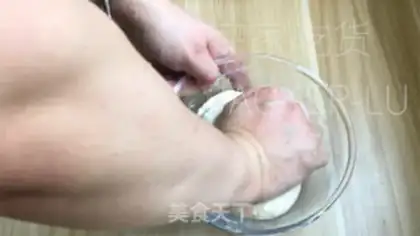
6
Then he rubbed his hands in groups。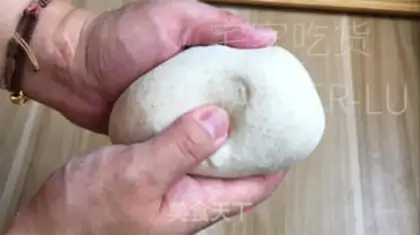
7
Take out the noodles for 5-7 minutes and rub them to the surface smooth. Note: Based on the dry humidity of the noodle, flour can be added to about 10 grams at the time of the noodle。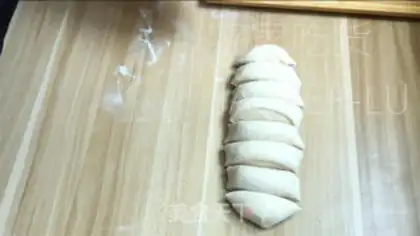
8
Grow the noodles in strips, evenly divided into eight。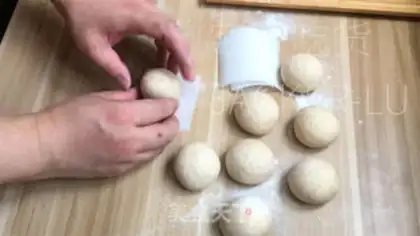
9
Each of the groups is crushed to a round, a cylindrical form, and oil paper is put on it。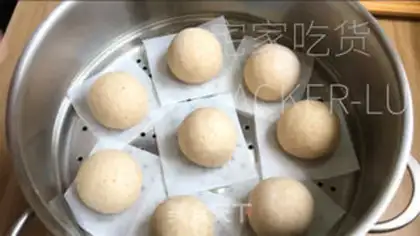
10
Put cold water in the pot and put it in the rubbed noodles。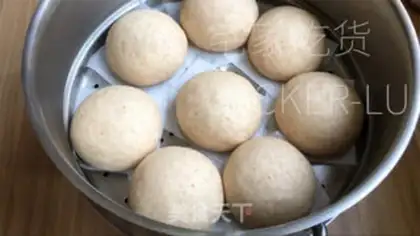
11
Cover it up to 1.5 times the fermentation. Note: Warm water is required in winter。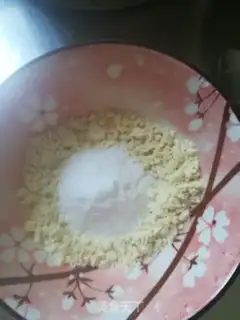
12
When fermented, the water was evaporated for 20 minutes and the fire was shut down for 5 minutes。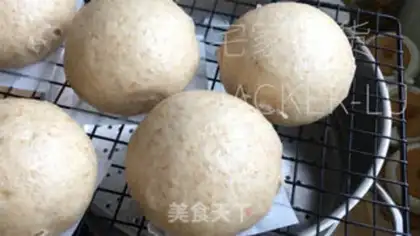
13
ALL-SHERRY, FINISH O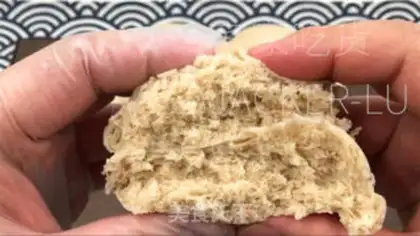
14
Although the buns fell and wrinkled, they were very soft and delicious。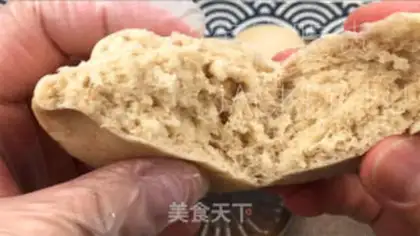
15
Taste is unique and nutritious, allowing people to enjoy health while eating。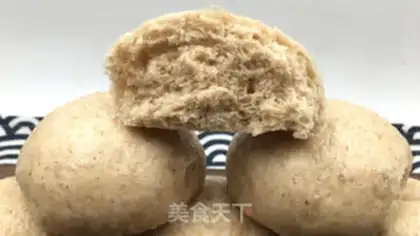
16
The addition of wheat flour has enriched the buns with dietary fibres, vitamins and minerals, contributing to the health of the digestive system and stabilizing blood sugar levels。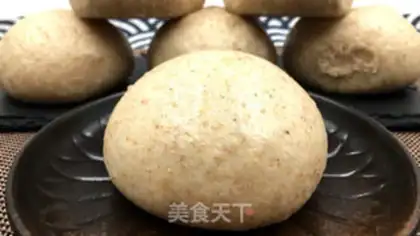
17
Whole wheat buns provide more sustainable energy and give life to the body than traditional white-faced buns。The whole wheat bun Make Tips
At the last time the face was plasticized, remember to flatten the air, otherwise the swelling would be uneven and the skin might collapse. 2. Flour is gradually added to the face rubbing so that the flour is not too hard. The amount of flour added may vary depending on the water intake and the humidity of the flour. 3 In the summer, room warm fermentation is sufficient, and winter can be put in warm places, such as near ovens or heating chips. Make sure that the noodles have enough time to ferment to float. 4. Ensure that the water in the steaming pot is boiled before the steamer. Water drops on the top of the pot also may affect the effect of evaporation. 5. When steaming, do not open the lids too early so that the hot air does not get loose enough. When the time comes, the pan covers will be opened。