Tea-dee pudding
By VicentaLakin

Today, a tea-painted pudding blends the fragrance of tea with the softness of pudding, bringing pleasant taste. Looks like a little green art. The green, twirling skin, and the sweet fragrance. Put the pudding in your mouth, little bitter and sweet talk, and let the taste bud dance at this moment。
Recipe Recommendations
- unsalted butter 50 grams
- powdered sugar 70 grams
- whole egg liquid 40 grams
- matcha powder 6 grams
- low-gluten flour 145 grams
- milk 100 grams
- light cream 100 grams
- eggs of 2
- condensed milk 50 grams
- vanilla extract 4 grams
- sweetening
- burn
- an hour
- ordinary
Steps for Tea-dee pudding
1
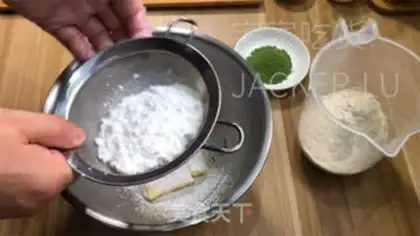
Room temperature softened 50 grams of salt-free butter and sifted 70 grams of sugar powder。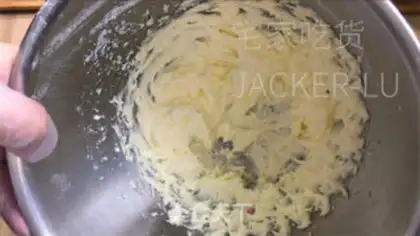
2
It gets big and white。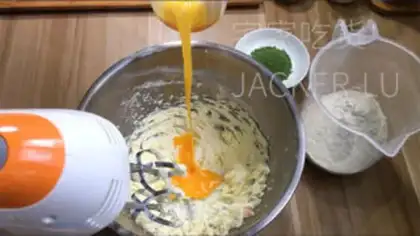
3
Full egg fluid, 40 g, in three to four equals。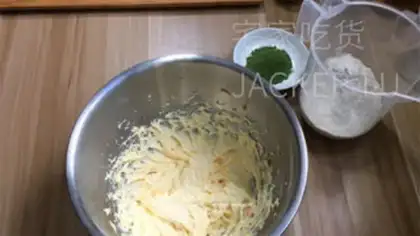
4
Note: The egg fluid is added after each complete uniform。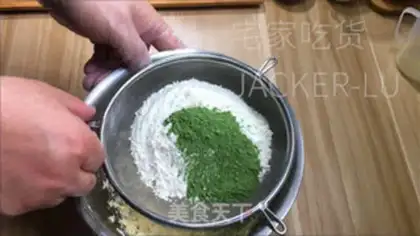
5
Sifting 6 grams of tea powder and 145 grams of cheap flour。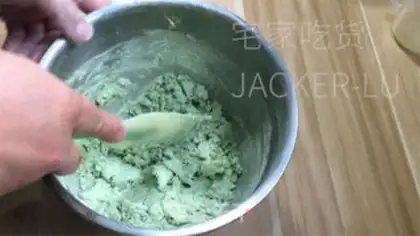
6
Scratch it first。
7
And then you rub it with your hands。
8
Take out the noodles to grow stripes。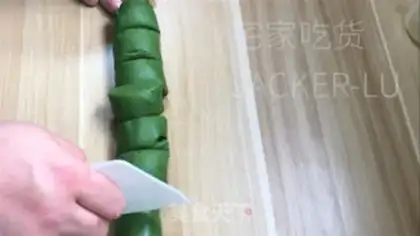
9
A balanced division of 6-8 copies。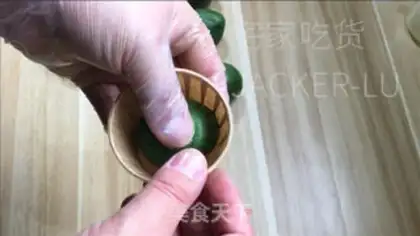
10
Load the noodles into a paper cup mould, gently squeeze them to fit the size of the cup。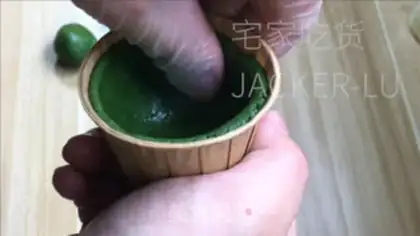
11
If there's any extra dough coming out. It'll be fixed with a razor。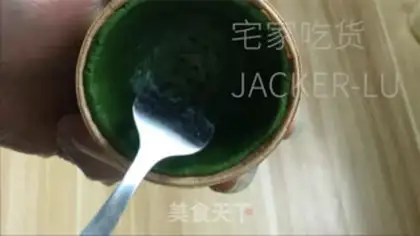
12
At the bottom, some gas holes were inserted with forks to prevent drumming。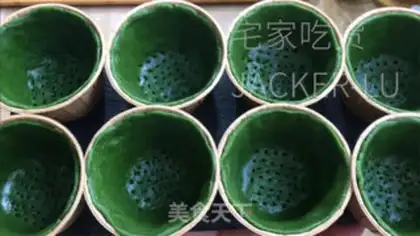
13
Then freeze for 30 minutes。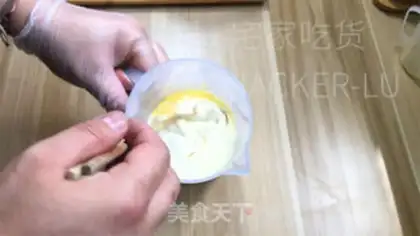
14
It was then made of pudding, with two eggs scattered, followed by 100 grams of milk, 100 grams of light cream and 50 grams of lactation, evenly mixed。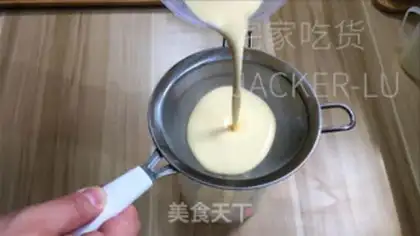
15
Screech the pudding twice, and the finished product will be smoother。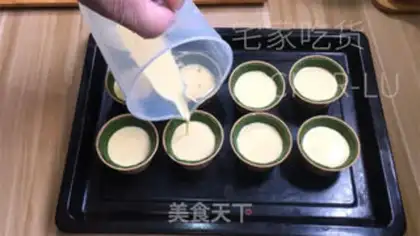
16
Pour the pudding into a paper cup mold, into the oven。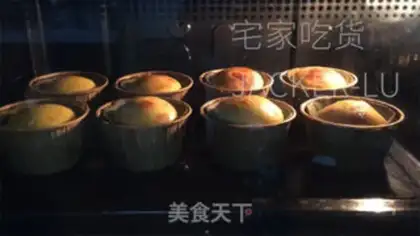
17
The oven, 180°C, warms up in advance, bakes for about 30 minutes, and sees the edges slightly charred。
18
♪ SCRATCH ♪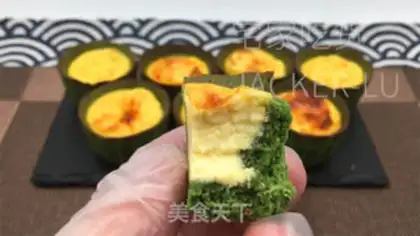
19
The fragrance of tea mixed with pudding brings delicious experiences。
20
The outer crust is so soft, the pudding is sweet and the cream smells so strong。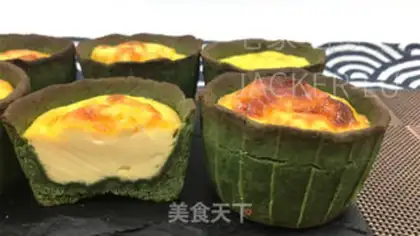
21
The green, yet ferocious skin。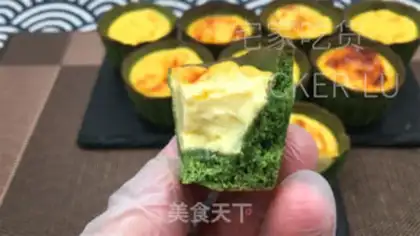
22
It's a very attractive fragrance。Tea-dee pudding Make Tips
1. Skin production should be carried out in such a way as to control the softness of the noodle so as not to overwhelm the taste. The temperature of roasting varies from one household to another and needs to be fine-tuned to the circumstances。