Mini-duper
By VicentaLakin
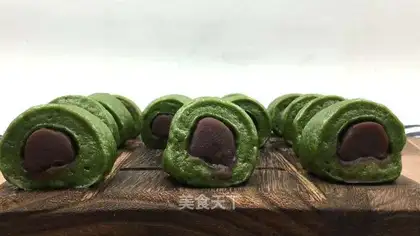
Today, we make a little tea-painted tart, characterized by the unique smell of tea, which is green and fresh and soft inside. Take a bite, and you'll feel the soft and chubby taste of tea, with sweet soybeans, with a double enjoyment of taste and taste. Small and beautiful snacks to fill your stomach and fill your heart。
Recipe Recommendations
- ordinary flour 200 grams
- matcha powder 10 grams
- yeast 2 grams
- white granulated sugar 20 grams
- warm milk 125 grams
- Red bean paste stuffing appropriate amount
- sweetening
- steamed
- several hours
- senior
Steps for Mini-duper
1
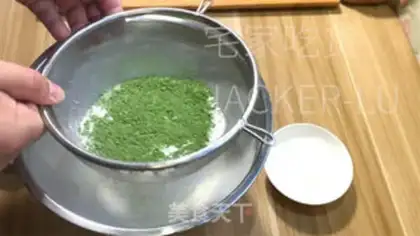
200 grams of ordinary flour, 10 grams of tea powder, sifting through the mix。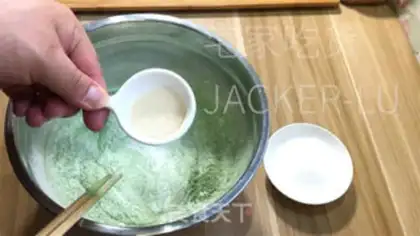
2
Add yeast 2 grams, white sugar 20 grams, evenly mixed。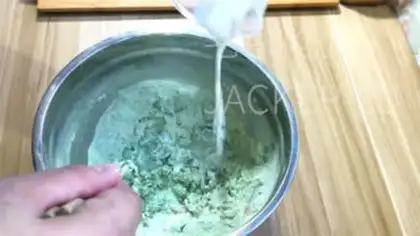
3
One hundred and twenty-five grams of warm milk, with a mix。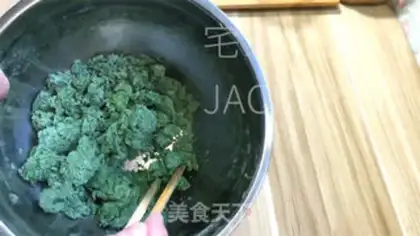
4
Smuggle to smudge. Note: There are differences in the water use of flour, the milk can be fine-tuned and the absence of visible powder on the bottom is almost。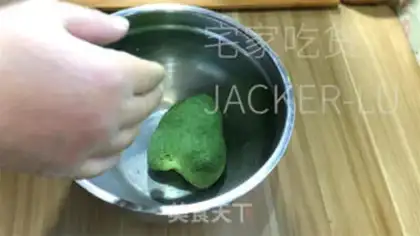
5
Just rub it with your hands。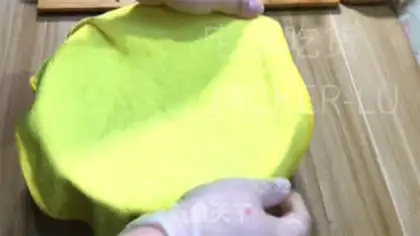
6
Wet towels are loose for 10 minutes and can be easier to rub。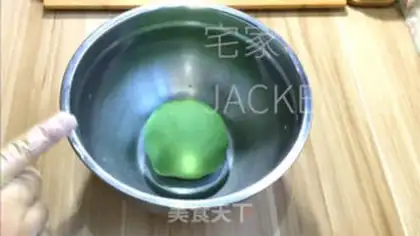
7
Take out the nice, loose noodles, fold them for a few minutes, and rub them smooth。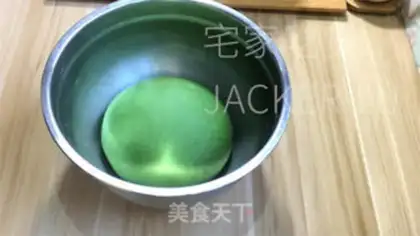
8
A little rounding, wet towels, room temperature 25°C fermenting about an hour, twice the size。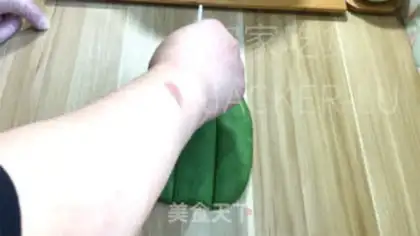
9
Take the fermented pasta and air out, split it into three。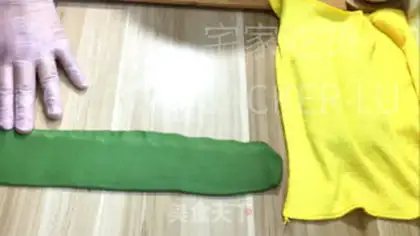
10
Take a long, thin。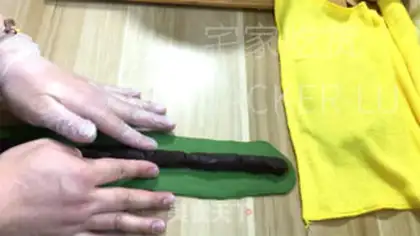
11
Squeeze the red bean sand in the middle。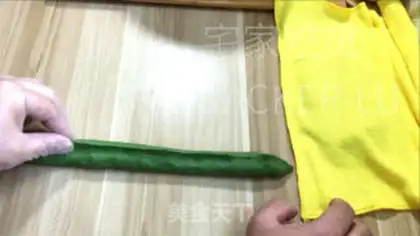
12
Both sides were raised to close the door。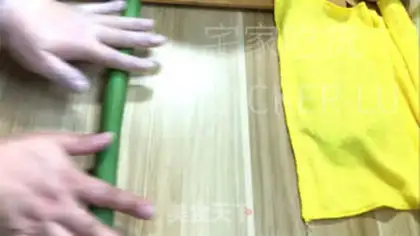
13
A little round and long。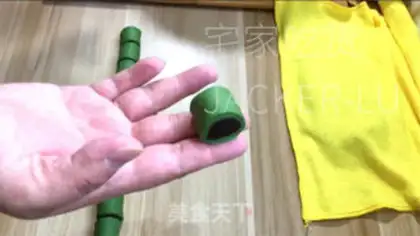
14
Cut to the equivalent。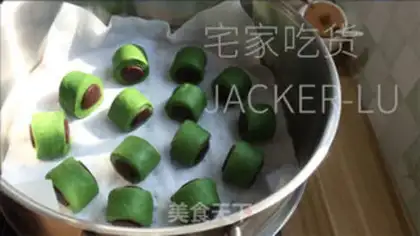
15
Steam cages are covered with paper, evenly put in, room warm fermenting for 30 minutes. Note: Leave a gap between them to prevent expansion。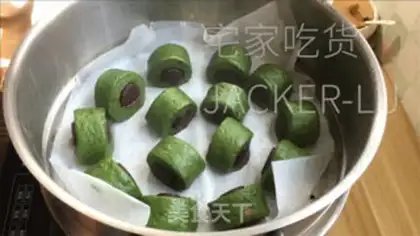
16
After the water was fired, it steamed for 10 minutes and suffocated for 3 minutes。
17
MINI-DUBULA. FINISH O
18
Small and beautiful snacks to fill your stomach and fill your heart。
19
Take a bite, and you'll feel the soft and thick smell of tea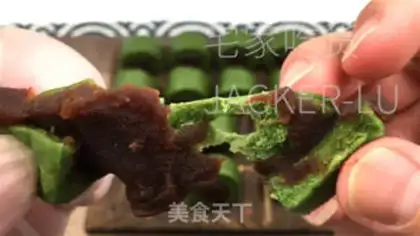
20
With sweet bean sand, there is a double enjoyment of taste and taste。Mini-duper Make Tips
1. Choose tea powder of good quality, which will be better coloured. 2. The use of milk can be increased or reduced appropriately, depending on the water quality of the flour。