Home-made hawthorn paste
By KaleighStark
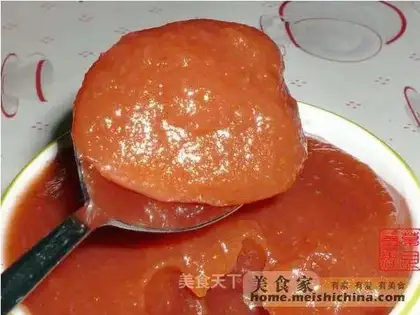
I had dinner last night and went out for a walk with LG. I saw a fresh hawthorn shop in the fruit shop. I suddenly missed the taste of the hawthorn cake I used to eat when I was a child. Although I had never made it before, I could just buy some first and go back and make trouble. Anyway, it's not very expensive (3.8 yuan per catty).
Recipe Recommendations
- Hawthorn appropriate amount
- water appropriate amount
- rock sugar appropriate amount
- sweet and sour
- flavoring
- half an hour
- simple
Steps for Home-made hawthorn paste
1
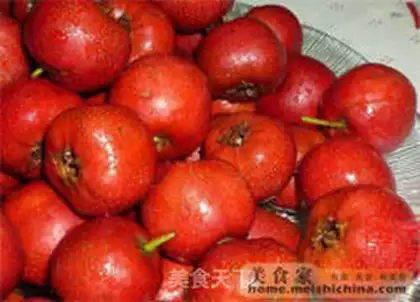
After washing the hawthorn, it is best to soak it in light salt water for about half an hour.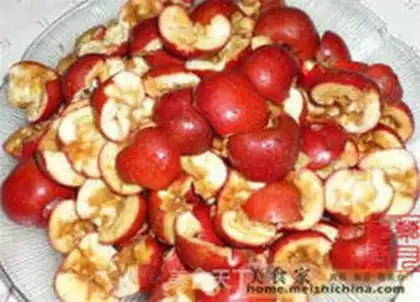
2
Cut the hawthorn in the middle, remove the cores and pedicles.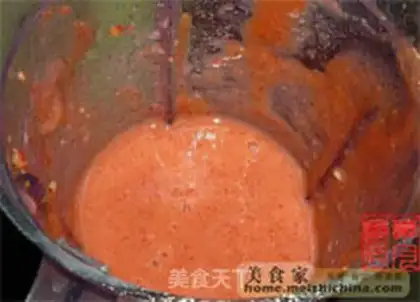
3
Add water to the processed hawthorn, level it with the hawthorn, and place it in a blender and beat it into a paste.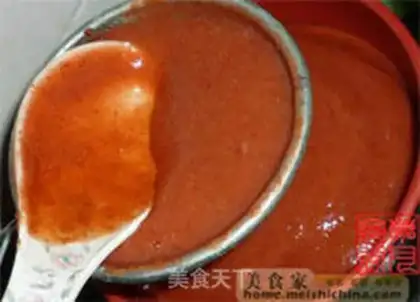
4
Sift the hawthorn paste.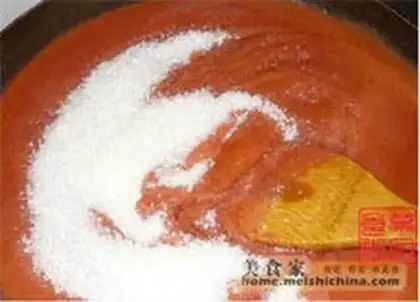
5
Pour the sifted hawthorn paste into the pan (Note: Never use an iron pan!) Add 400 grams of sugar or rock sugar (you can add more if you like sweeter). Cook over low heat, constantly stirring with a wooden spoon,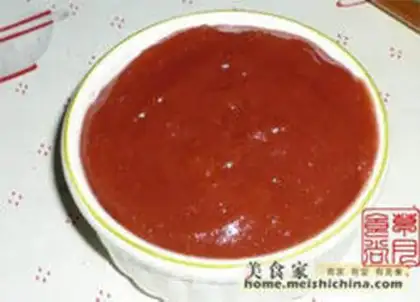
6
Turn off the heat when it is cooked more viscous.Home-made hawthorn paste Make Tips
Hawthorn helps prevent and treat cardiovascular diseases; it dilates blood vessels, increases coronary blood flow, improves cardiac vitality, stimulates the central nervous system, lowers blood pressure and cholesterol, softens blood vessels, and possesses diuretic and sedative properties. Hawthorn acid also has a cardiotonic effect and is beneficial for senile heart disease. It stimulates the appetite and aids digestion, particularly effective in relieving stagnation caused by meat consumption. Many digestive medicines contain hawthorn. Most adults today likely consumed hawthorn pills during their childhood. Hawthorn is effective in promoting blood circulation and removing blood stasis; it helps resolve localized blood congestion and has auxiliary therapeutic effects on traumatic injuries. Additionally, hawthorn stimulates uterine contractions and can induce labor during childbirth. It also promotes postpartum uterine recovery. Substances found in hawthorn, such as flavonoids, vitamin C, and carotene, can block and reduce the generation of free radicals, enhance the body's immunity, and provide anti-aging and anti-cancer benefits. Hawthorn also contains components that relieve asthma, reduce phlegm, inhibit bacteria, and treat abdominal pain and diarrhea.