Red wine duck breast

I saw pieces of packaged duck breast meat at Tesco. It seemed to be specially for export and was not often sold, so I bought a lot at once and put it aside to eat slowly.
Recipe Recommendations
- salty and fresh
- braised
- half an hour
- ordinary
Steps for Red wine duck breast
1
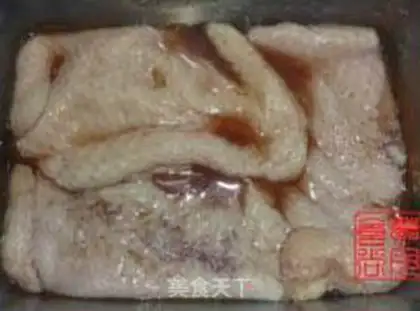
Marinate the duck breast with appropriate amount of red wine, add a little salt and black pepper for about 20 minutes.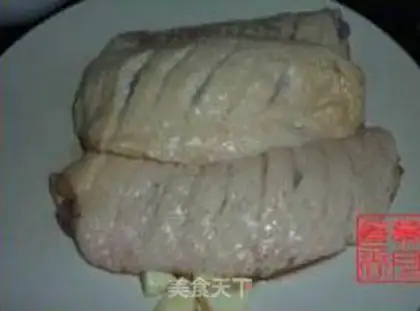
2
Make several strokes with the knife.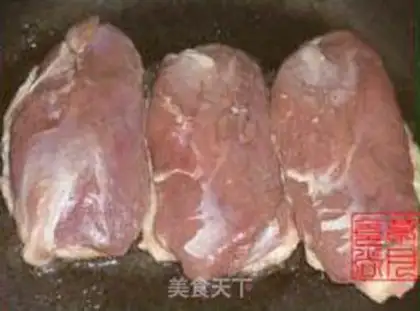
3
Small and medium-sized hot pots do not need to put oil in. Add the duck breast meat, skin side down.
4
Add garlic cloves. Slowly, the oil in the duck skin will slowly escape out (you can dump some or use kitchen oil absorption paper to remove some oil) When the duck skin is golden yellow, turn over the duck meat, and gently press with a shovel until no blood seeps out.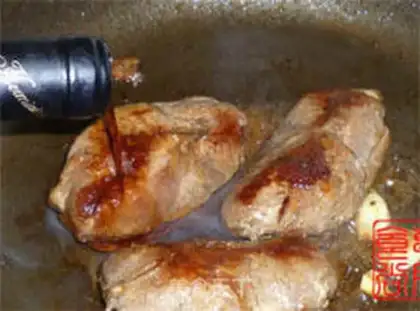
5
Then invert the duck meat, pour in a suitable amount of red wine and the juice of the cured duck meat.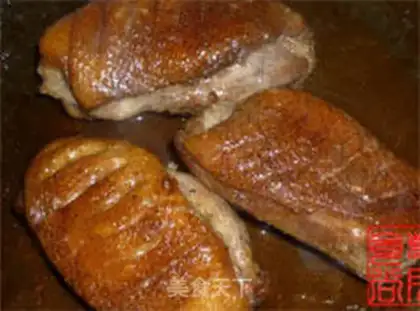
6
Cover the lid and simmer over low heat for about 10 minutes, then invert the duck meat, turn on medium heat until the soup is slightly dry, then take out of the pan, cut into pieces and plate.
7
Pour on the remaining juice in the pan. You can add some side dishes, such as shredded potatoes, boiled vegetables, and carrots (you can like).Red wine duck breast Make Tips
Duck meat is cooling in nature and has the effects of nourishing Yin and enriching the blood, clearing the lungs and reducing heat, greatly tonifying deficiency, and eliminating edema. It contains higher amounts of B vitamins and Vitamin E than other meats, effectively fighting beriberi, neuritis, and various inflammations, while also delaying aging. Duck meat contains a relatively rich amount of niacin, which is a component of two important coenzymes in the human body.