Rose steamed buns
By KarenRoberts
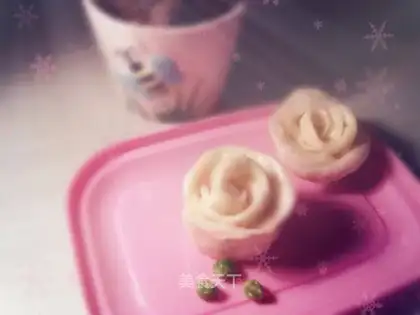
The things made in the school's steamed bun shop are getting more and more rough. Even I, a person who grew up in the south and is not familiar with pasta, couldn't help but be picky. So today, I rolled up my sleeves and made such a unique snack. It's really a bit unexpected. Pasta food can be so amazing, and the materials are very simple. Teach you hand-in-hand, and you will know it!
Recipe Recommendations
- flour 200g
- yeast powder 3g
- white granulated sugar 30g
- sweetening
- steamed
- several hours
- ordinary
Steps for Rose steamed buns
1
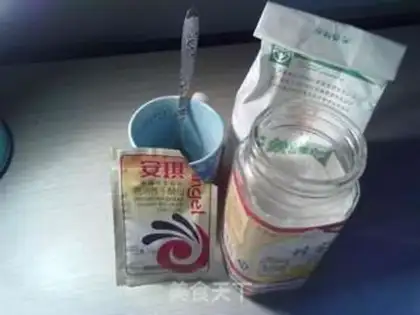
Prepare the ingredients as shown in the picture, mix the white sugar and flour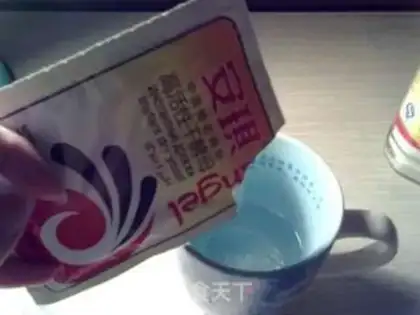
2
Melt the yeast in warm water at about 30 degrees Celsius, quiet for 3 minutes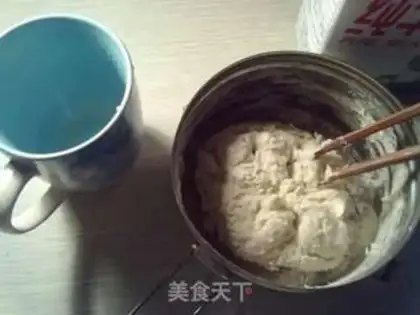
3
Add yeast water to the flour, add milk (or water) and stir well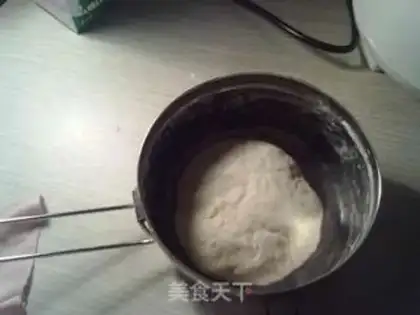
4
Knead into a smooth, non-sticky dough, cover with a damp cloth or plastic wrap, and place in a warm place to ferment until twice in size, with a honeycomb inside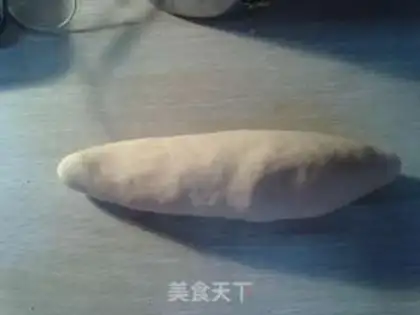
5
Take out the fermented dough, knead it evenly, and exhaust it, divide it into several egg-sized doses. Each dose is then squeezed into several small doses and strips as thick as a chopstick.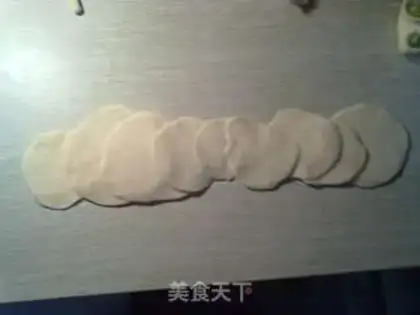
6
Rub the small ingredients round and flat, roll them into round dough sheets, and overlap them on 3/4 of the previous piece. Use chopsticks to gently press the joint tightly, and place the chopstick thick strip on the last dough sheet. On the edge.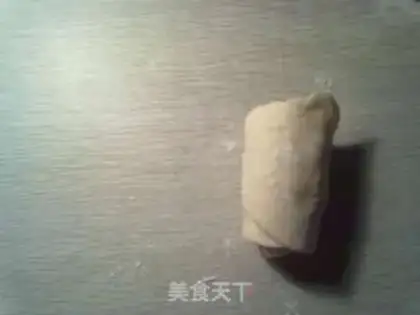
7
Gently roll it up from the far right and hold it tightly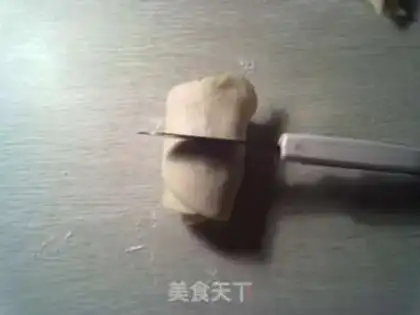
8
Cut it in the middle with a knife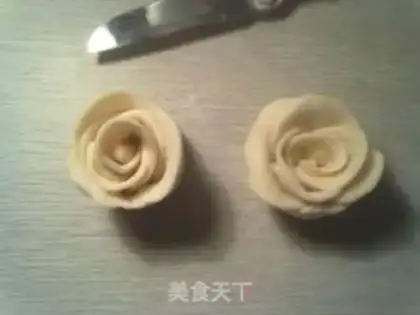
9
Divide it into two flowers, and perform the same procedure for the rest of the ingredients. Wake up for 15 minutes after all the flowers are cooked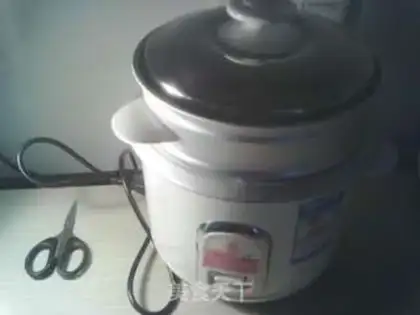
10
Put cold water on the pan and steam for 15 minutes, turn off the power and simmer for a while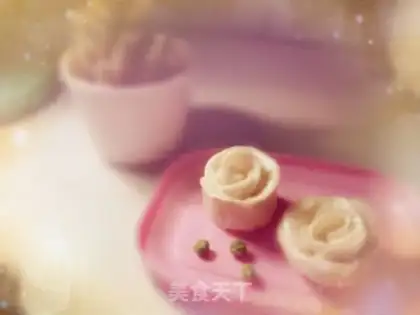
11
Just take it out.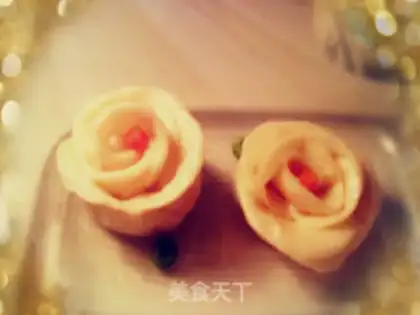
12
Ordinary pasta has also become very romantic and eye-catching.Rose steamed buns Make Tips
1. The water absorption of flour is different. You should control the amount of water you add. Generally speaking, when making flower-shaped steamed buns, the dough should be slightly hard and steamed before it will not deform. 2. The dough sheet should be rolled as thin as possible to maintain its original shape after steaming. 3. The flour fermentation time in winter is slightly longer. 4. Don't open the lid during steaming to avoid shrinking