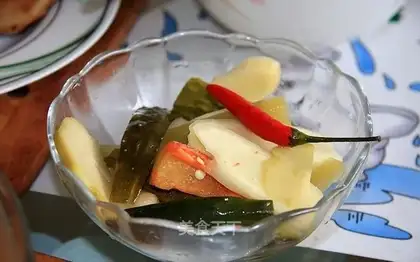
Bathing kimchi does not mean using bath water to pickle kimchi. It means that the vegetables are not soaked for a long time, just like vegetables are taken out and eaten after being bathed in kimchi water.
Kimchi is a common dish in our Xishu homes. The traditional method of marinating kimchi is nothing more than using traditional methods to pick up the water and put it into a special kimchi jar. That method is more suitable for larger families, but it is not suitable for a family of three, or even a single person. Our kimchi is probably soaked in the same way as most people. It's just a little change based on the characteristics of ordinary people's lives now. The first change is the container of kimchi. Instead of traditional kimchi jars, the "Lele Button" food box purchased on the market is used to mainly solve the problem of sealing and isolation;
The second change is the storage environment. Traditional jars are generally placed in a shady place in the kitchen. The temperature changes with the temperature at any time, and the stability of kimchi water is difficult to control. My method is to put the "Le Le Kou" food box in the freezer of the refrigerator. In this way, the ambient temperature of kimchi remains constant, which prolongs the storage time of the dishes and maintains the freshness of the dishes.
Bathing kimchi
By MerlFranecki
Recipe Recommendations
- white sugar a little
- salty and sweet
- burn
- ten minutes
- simple
Steps for Bathing kimchi
1
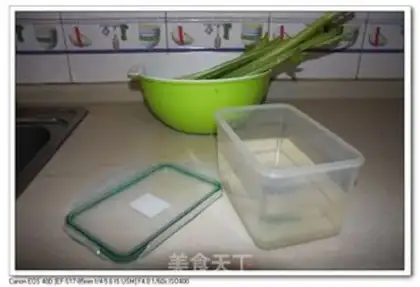
This is my household "Le Kou" food box. When filling up the water, you can use pure water directly without boiling it. The advantage of this is that in the future, when new vegetables are added, even if the water vapor is not completely cooled and dried, it will not produce flowers. I don't understand why.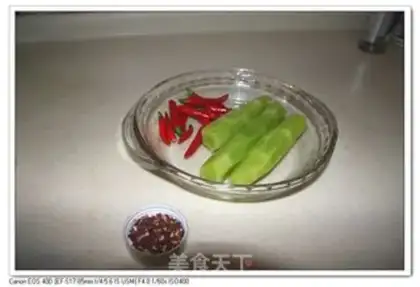
2
The raw materials for making the water are very simple: ordinary salt, a little sugar, dozens of pepper grains, 2 or 3 aniseed (star anise), and a proper amount of fresh millet spicy food (depending on the degree of spicy food you like). Remember: When buying millet spicy food, be sure to select ones with no scars on the surface and complete pedicles (handles). When you come back, use scissors to cut off the excess handles. Don't pull them with your hands, otherwise the millet spicy food will easily soften. It is very important to keep the pedicure of millet spicy intact.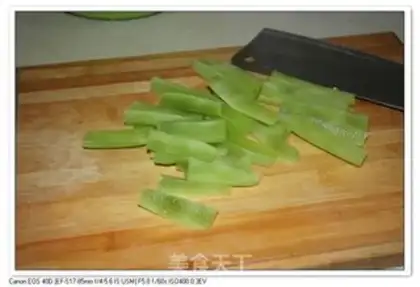
3
The raw materials for soaking are traditional raw materials: ginger, celery, cucumber, radish skin, Chinese cabbage heart, lotus white, lettuce or tender cucumber (be sure to remove the seeds, no matter how tender they are), etc. It should be noted that Hu 'er melons are not easy to taste, so they should be cut thin. Cucumber and lettuce can easily soften and should be taken out in time (generally not more than two days). Cut various raw materials into strips (slices).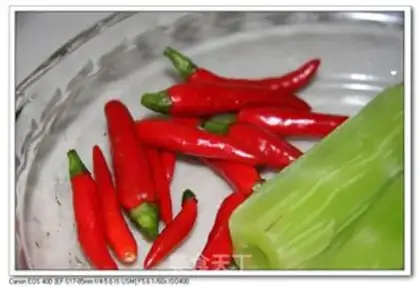
4
When starting the water for the first time, cut the millet pepper obliquely so that it can quickly soak in the flavor and put it whole in the future. Put the various cut raw materials into the Lelekou food box, and several seasonings are also put in. The amount of salt is slightly more than that used to make soups. Add the ingredients and add straight drinking water.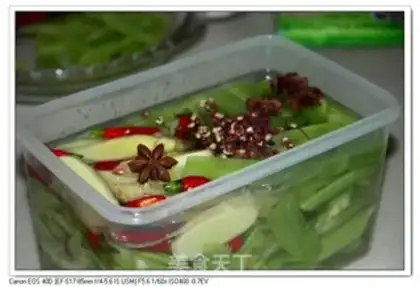
5
All the main ingredients and auxiliary materials are placed close to the Le Kou box. When the temperature is relatively low in winter, or if you want to let the lactic acid bacteria ferment quickly as soon as possible, you can add a little fresh yeast for making yogurt, about 0.5 to 1 gram will be enough.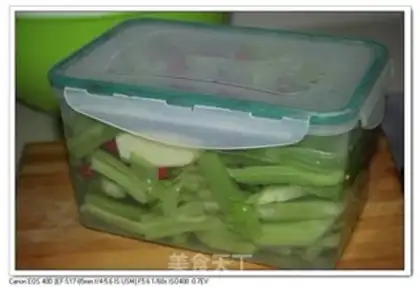
6
After loading, you have to put it in the refrigerator so that it will not go bad and taste good.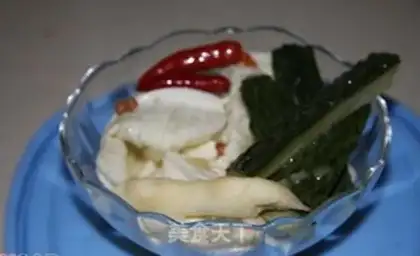
7
Check out the finished product!!!Bathing kimchi Make Tips
Cover the lid and leave it at room temperature for about half a day, then move it to the refrigerator. It is just that simple! If you prefer a slightly more sour taste, you can add a little extra sugar. Later, when taking out or adding vegetables, you can adjust based on the taste of the finished product; generally, a very small amount of salt needs to be added each time you add vegetables. Maintaining the brine is also quite simple. Over time, some sediment may accumulate at the bottom of the container. When this happens, pour the water and vegetables together into a clean container, remove the vegetables, wash the food container, put the vegetables back, pour the clear pickle brane back in to continue using, and replenish some seasonings. It is necessary to reiterate some basic common sense about Sichuan pickles: oil is the biggest taboo for pickle brine and containers. All tools, fingers, and ingredients that come into contact with the brine and the container must be strictly oil-free.