Lanzhou Jiangshuimian
By VicentaLakin
Recipe Recommendations
Steps for Lanzhou Jiangshuimian
1
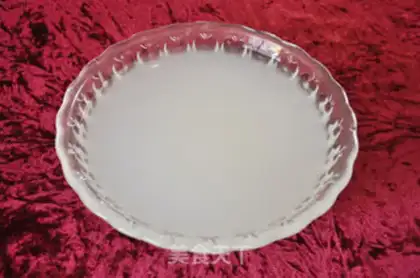
Preparation of pulp water: After washing the vegetables, cut the celery into two or three sections, and cut the lotus vegetables into pieces with the roots. Then pour in the boiling clear noodle soup (or use noodles to make a little clear noodle soup). When it cools, add the starter (i.e. yeast). Generally, after pouring in the primer, it can be eaten for four or five days. (See Tips for details)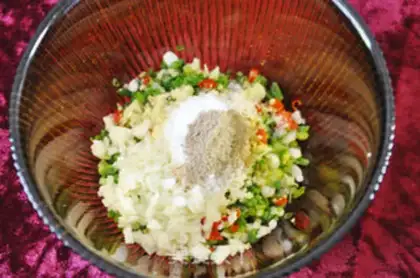
2
Cut the shallots and dried peppers into thin threads, cut a few cloves of garlic and a little ginger into fine powder and serve in a bowl, then add a little salt and pepper powder.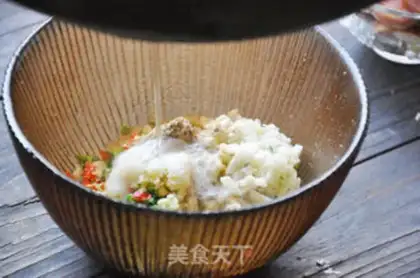
3
Pour the cooking oil into a wok and bring it to a boil, roughly half of the usual amount used for frying. Pour the oil into a seasoning bowl after boiling, and stir evenly with chopsticks to make the ingredients fully oily.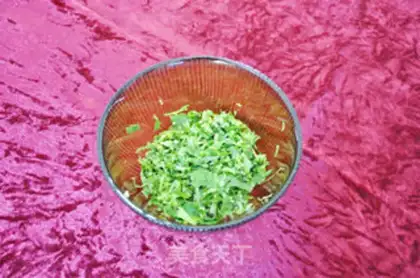
4
Then cut the parsley into small pieces about one centimeter long.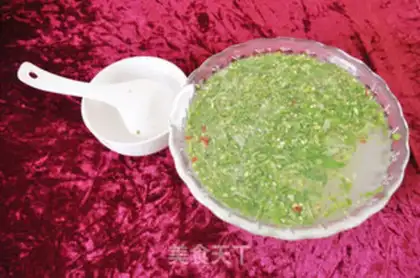
5
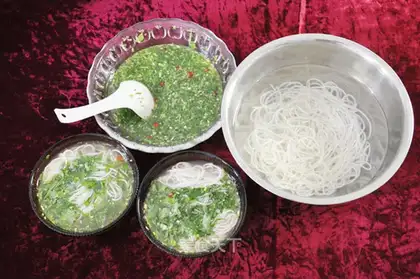
Pour the fried onions, garlic and coriander into the pulp water scooped out in advance, add a little MSG and stir well. In this way, the pulp soup soup is ready.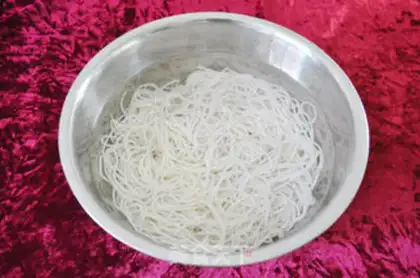
6
Start another stove to boil water and use the thinnest noodles pressed by a machine. Jiangnan Longxu noodles are very suitable. After the steamed noodles are cooked, put them into a cold boiling water basin prepared in advance to allow the noodles to fully cool down.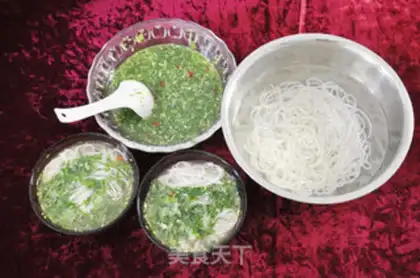
7
Grab a bowl of noodles and scoop a spoonful of pulp water!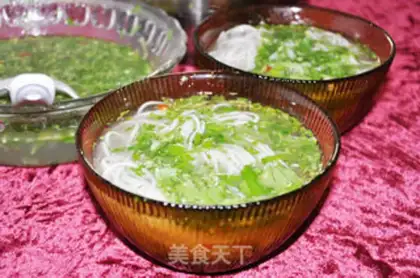
8
This contains a trace of hometown!Lanzhou Jiangshuimian Make Tips
Lanzhou's beef noodles are famous across the country. In fact, there is also a classic pasta dish that is little-known but has a unique flavor, which is "Clear Soup Red and Green Pulp Water Noodles".
There is no historical study of when pulp and water noodles "debuted", only various legends are left behind. People of the older generation say based on memory that pulp and water noodles should have been around for hundreds of years like Lanzhou beef ramen. The sour, spicy and fragrant pulp and water noodles are cool and refreshing, clearing heat and relieving fever, and can also be used as a cool drink to prevent heatstroke. Wang Xuan, a scholar in Lanzhou at the end of the Qing Dynasty, once wrote a poem,"Relieve the summer heat by relying on the pulp and water, and soothe the stomach by itself." The face is long and chewable, and the celery is beautiful and has many reviews. Splashing red acid is thoroughly contained, and the heart is not frozen. Eating more meals all day long is more delicious than a scholar?" There is a line in "Dou E Yuan" written by Guan Hanqing in the Yuan Dynasty: Make me half a bowl of rice that I can't finish. This may be the earliest source of pulp and water noodles.
When I was young, I didn't like to eat steamed noodles. Every time I saw the aroma of my parents, I found it difficult to swallow it. I didn't understand why I couldn't get tired of eating such a thin soup. Since going to school in other places, I have become farther and farther away from my hometown. Ten years later, I have moved to Suzhou in Jiangnan. Strangely enough, when I returned to my hometown of Lanzhou every summer in the past ten years, I only had to eat a bowl of steamed noodles, but I still felt like I would never get tired of eating it and have endless aftertaste. I wonder how much of it was nostalgia. However, the pulp and water surface is indeed fragrant. The unique acidity, fragrance, clarity and lychee are refreshing and refreshing to the extreme.
In Suzhou, I also tried to make pulp water myself. I don't know what was the problem or the water quality problem that failed. Not long ago, my father came to Suzhou to visit me. I specifically asked him to flood me with pulp when he came. My father specially brought pulp and water base material from Lanzhou. I never wanted to succeed in one go. I specially prepared an extra jar and flooded two jars of pulp water, so that if one jar broke, the other jar would be used as a starter. Carefully continue this flavor of hometown.
Although he is in Suzhou, Jiangnan, he makes this authentic northwest pulp and water noodles to perfection. While excited, he tells everything and shares it with his hometown brothers who are wandering away.
Production of pulp water: In fact, the production of pulp water is not complicated. But it must be clean. The process must avoid infection by other bacteria. The best container for making pulp and water is pottery, that is, pottery cans. If not, glass will do. The main raw material of pulp water is retting vegetables. Celery and lotus flowers are generally the best. After washing the vegetables, cut the celery into two or three paragraphs, and cut the lotus flowers into pieces with the roots. Then pour in the boiling clear noodle soup (or use noodles to make a little clear noodle soup). After it cools, add the primer. The so-called primer refers to yeast. The general practice in Lanzhou is to ask a neighbor's house to order old pulp water and add it as yeast. without
There is no historical study of when pulp and water noodles "debuted", only various legends are left behind. People of the older generation say based on memory that pulp and water noodles should have been around for hundreds of years like Lanzhou beef ramen. The sour, spicy and fragrant pulp and water noodles are cool and refreshing, clearing heat and relieving fever, and can also be used as a cool drink to prevent heatstroke. Wang Xuan, a scholar in Lanzhou at the end of the Qing Dynasty, once wrote a poem,"Relieve the summer heat by relying on the pulp and water, and soothe the stomach by itself." The face is long and chewable, and the celery is beautiful and has many reviews. Splashing red acid is thoroughly contained, and the heart is not frozen. Eating more meals all day long is more delicious than a scholar?" There is a line in "Dou E Yuan" written by Guan Hanqing in the Yuan Dynasty: Make me half a bowl of rice that I can't finish. This may be the earliest source of pulp and water noodles.
When I was young, I didn't like to eat steamed noodles. Every time I saw the aroma of my parents, I found it difficult to swallow it. I didn't understand why I couldn't get tired of eating such a thin soup. Since going to school in other places, I have become farther and farther away from my hometown. Ten years later, I have moved to Suzhou in Jiangnan. Strangely enough, when I returned to my hometown of Lanzhou every summer in the past ten years, I only had to eat a bowl of steamed noodles, but I still felt like I would never get tired of eating it and have endless aftertaste. I wonder how much of it was nostalgia. However, the pulp and water surface is indeed fragrant. The unique acidity, fragrance, clarity and lychee are refreshing and refreshing to the extreme.
In Suzhou, I also tried to make pulp water myself. I don't know what was the problem or the water quality problem that failed. Not long ago, my father came to Suzhou to visit me. I specifically asked him to flood me with pulp when he came. My father specially brought pulp and water base material from Lanzhou. I never wanted to succeed in one go. I specially prepared an extra jar and flooded two jars of pulp water, so that if one jar broke, the other jar would be used as a starter. Carefully continue this flavor of hometown.
Although he is in Suzhou, Jiangnan, he makes this authentic northwest pulp and water noodles to perfection. While excited, he tells everything and shares it with his hometown brothers who are wandering away.
Production of pulp water: In fact, the production of pulp water is not complicated. But it must be clean. The process must avoid infection by other bacteria. The best container for making pulp and water is pottery, that is, pottery cans. If not, glass will do. The main raw material of pulp water is retting vegetables. Celery and lotus flowers are generally the best. After washing the vegetables, cut the celery into two or three paragraphs, and cut the lotus flowers into pieces with the roots. Then pour in the boiling clear noodle soup (or use noodles to make a little clear noodle soup). After it cools, add the primer. The so-called primer refers to yeast. The general practice in Lanzhou is to ask a neighbor's house to order old pulp water and add it as yeast. without