bran steamed buns
By VicentaLakin

Recipe Recommendations
- wheat bran 150 grams
- flour 350 grams
- white sugar 20 grams
- olive oil 10 grams
- fresh yeast 1 block
- water 270 grams
Steps for bran steamed buns
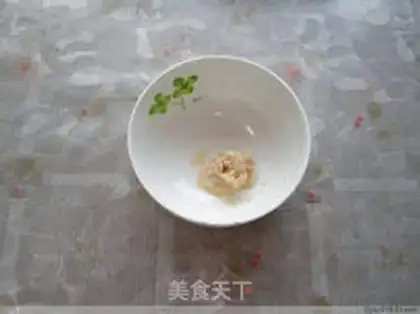
1
Fresh yeast.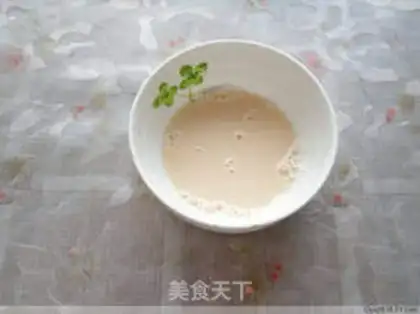
2
Dissolve yeast water into yeast water.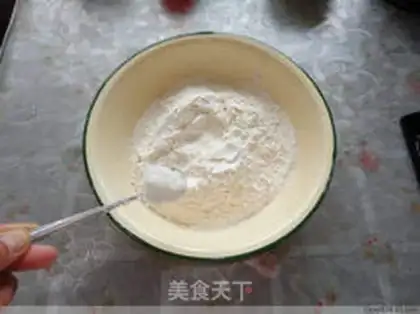
3
Add white sugar to the flour.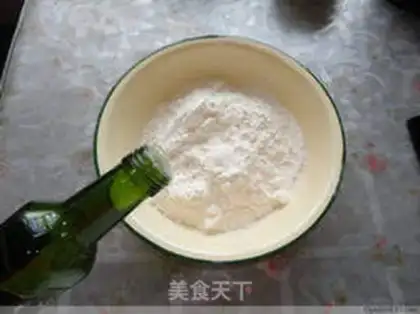
4
Add olive oil and mix well.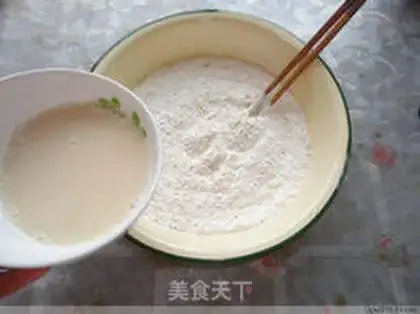
5
Pour the yeast water into the flour.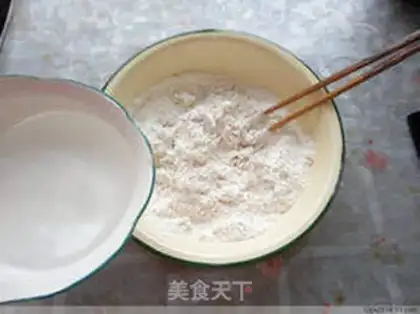
6
Add the remaining water.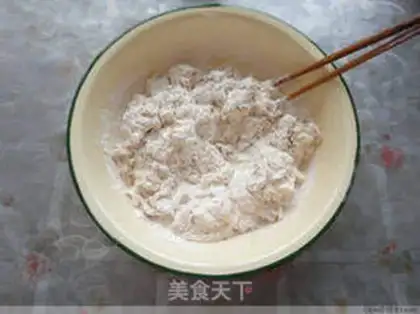
7
Stir the flour into floc.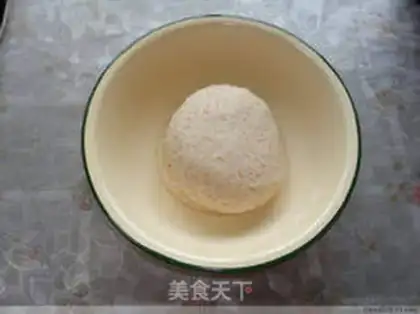
8
Knead the dough into a smooth dough.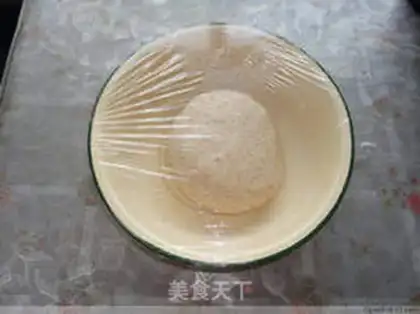
9
Cover the basin with plastic wrap and ferment.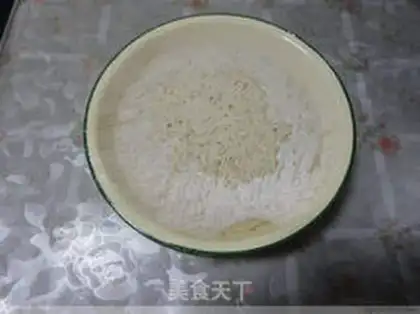
10
Fermented dough.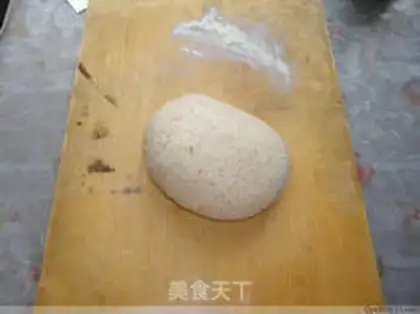
11
Place the fermented dough on the chopping board and flatten it, exhaust and knead it smoothly.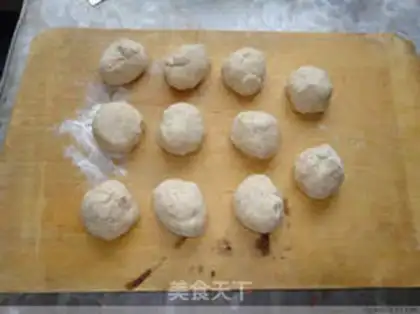
12
Divide the dough into 11 equal portions (about 72 grams each).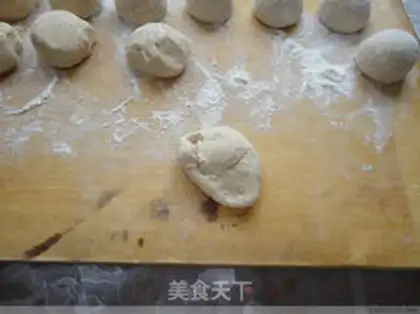
13
Take a dough and knead it clockwise with the palm of your right palm. Gently hold the dough with your four fingers except your thumb and turn it together with your palm, while kneading and gathering it towards the middle.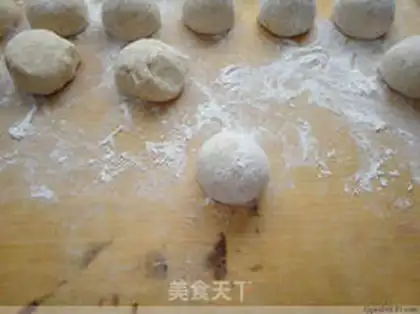
14
When it is basically hemispherical, rub the dough with your palms into a spherical shape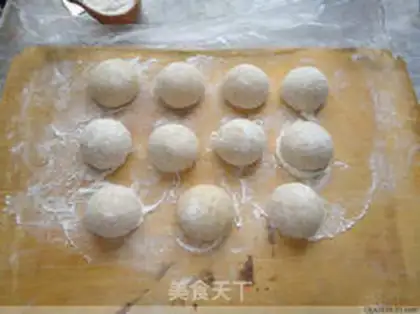
15
After making all the steamed buns, place them on the chopping board and let them sit still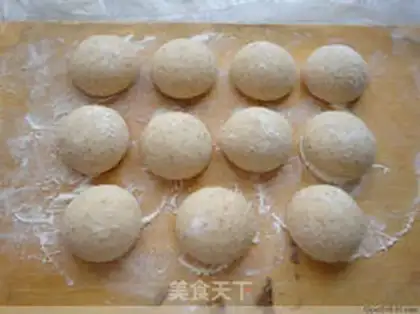
16
Carry out secondary fermentation and determine the time according to the climate.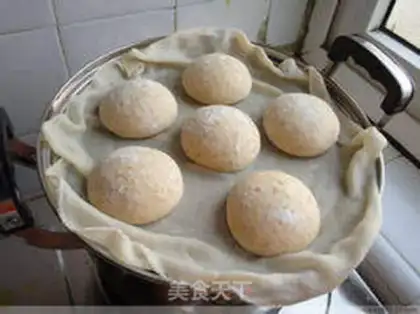
17
Put clear water, steamer drawer and damp drawer cloth into the steamer, and place the steamed bun embryo on the cloth.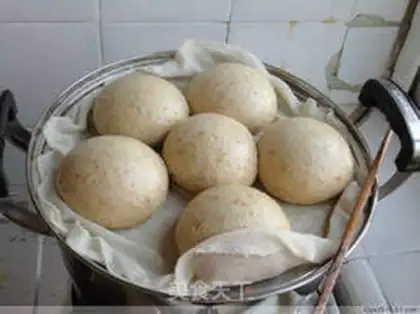
18
Cover the pot, bring to a boil over high heat for 20 minutes, just steamed steamed buns.bran steamed buns Make Tips
Notes for making steamed buns:
1. Fermentation is the key link in making steamed buns
2. One of the keys to fermentation is that the ratio between flour and water consumption should be appropriate: Take 500 grams of flour as an example, when the water consumption is less than 250 ml, the dough is not easy to ferment; when the water consumption is higher than 300 ml, the dough is too thin and sticky, and the steamed buns are not easy to arrange and shape. The best water consumption is 250 - 280 ml. Remember not to pour all the water into the flour. Since the water absorption of flour is different, add water according to actual conditions.
3. The second key to fermentation is the amount of yeast: the minimum amount of yeast for 500 grams of flour is 5 grams. If too little is not easy to ferment.
4. The third key to fermentation is the environmental temperature and humidity of fermentation: an environmental temperature of 30~35 ° C and a humidity of 70~75% are most conducive to fermentation.
5. Setting of the home fermentation environment: Fermentation in a warm water pot is suitable all year round, but one thing needs to be noted. The container for holding the dough should not be in contact with hot water. You can place a bracket or steamer under the container.
6. Sign of good dough fermentation: The dough has expanded to about 2 times the size and has pores on the surface. exudes the aroma of fermentation
7. Fermented dough will produce some sour taste, so it needs to be spread on the chopping board to let the yeast taste dissipate.
8. Secondary fermentation is very important. It can make the finished steamed buns more soft and delicious.
9. If you are making knife cutting steamed buns, directly leave the cut dough to stand for 10 to 15 minutes before steaming.
10. Steaming in cold water can ensure the awakening time of the yeast. Beginners should not use boiling water to steam steamed buns, because yeast can easily lose its activity and become ineffective under the action of high-temperature steam.
11. Do not open the lid of the steamed steamed buns immediately after turning off the heat. Open it again after 3 to 5 minutes. Otherwise, sudden cold will easily cause the steamed buns to retract very much and produce ugly hard spots on the surface of the steamed buns.
1. Fermentation is the key link in making steamed buns
2. One of the keys to fermentation is that the ratio between flour and water consumption should be appropriate: Take 500 grams of flour as an example, when the water consumption is less than 250 ml, the dough is not easy to ferment; when the water consumption is higher than 300 ml, the dough is too thin and sticky, and the steamed buns are not easy to arrange and shape. The best water consumption is 250 - 280 ml. Remember not to pour all the water into the flour. Since the water absorption of flour is different, add water according to actual conditions.
3. The second key to fermentation is the amount of yeast: the minimum amount of yeast for 500 grams of flour is 5 grams. If too little is not easy to ferment.
4. The third key to fermentation is the environmental temperature and humidity of fermentation: an environmental temperature of 30~35 ° C and a humidity of 70~75% are most conducive to fermentation.
5. Setting of the home fermentation environment: Fermentation in a warm water pot is suitable all year round, but one thing needs to be noted. The container for holding the dough should not be in contact with hot water. You can place a bracket or steamer under the container.
6. Sign of good dough fermentation: The dough has expanded to about 2 times the size and has pores on the surface. exudes the aroma of fermentation
7. Fermented dough will produce some sour taste, so it needs to be spread on the chopping board to let the yeast taste dissipate.
8. Secondary fermentation is very important. It can make the finished steamed buns more soft and delicious.
9. If you are making knife cutting steamed buns, directly leave the cut dough to stand for 10 to 15 minutes before steaming.
10. Steaming in cold water can ensure the awakening time of the yeast. Beginners should not use boiling water to steam steamed buns, because yeast can easily lose its activity and become ineffective under the action of high-temperature steam.
11. Do not open the lid of the steamed steamed buns immediately after turning off the heat. Open it again after 3 to 5 minutes. Otherwise, sudden cold will easily cause the steamed buns to retract very much and produce ugly hard spots on the surface of the steamed buns.