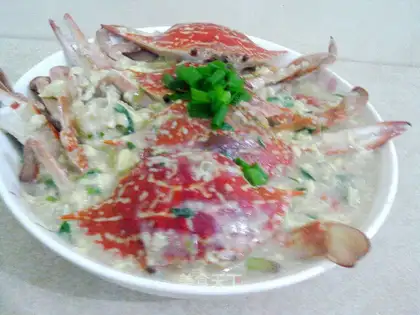
hibiscus crab
By VicentaLakin
Recipe Recommendations
Steps for hibiscus crab
1
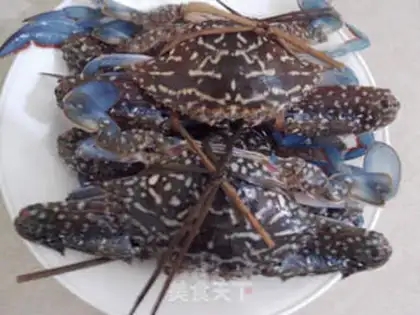
First clean the crab with a small brush.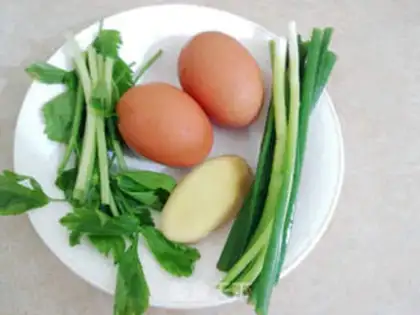
2
Prepare the required ingredients 1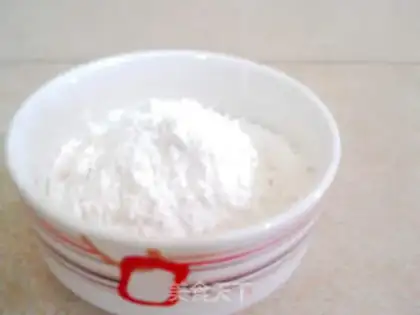
3
Prepare the required ingredients 2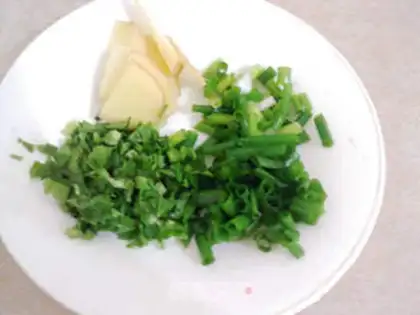
4
First cut the green onions into chopped green onions, cut ginger into small pieces, and cut celery into fine pieces.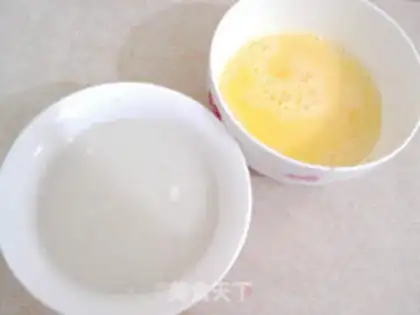
5
Knock the eggs into a bowl and stir well. Use two teaspoons of flour and water to make a batter.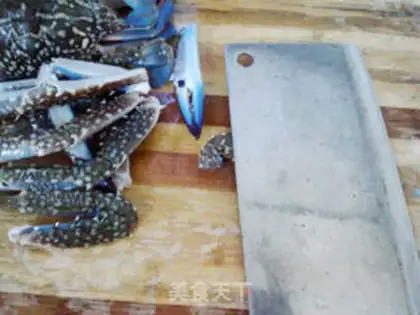
6
To handle crabs, use scissors to cut off the tongs and crab legs, tap with the back of the knife to break the crab shell a little, and pat it loose.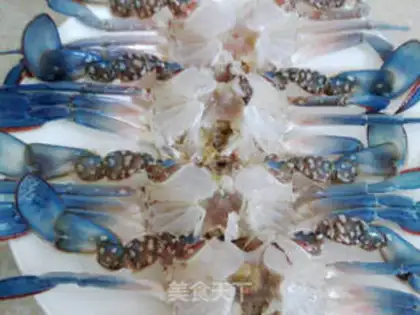
7
Clean the crab gills, internal organs, etc.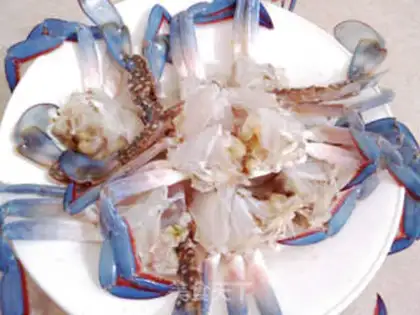
8
Use a knife to divide the crab into four.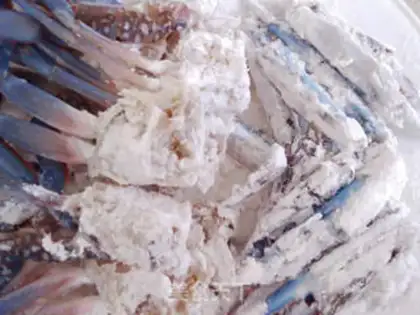
9
Gently wrap the processed crab meat and crab tongs with a thin layer of dry flour.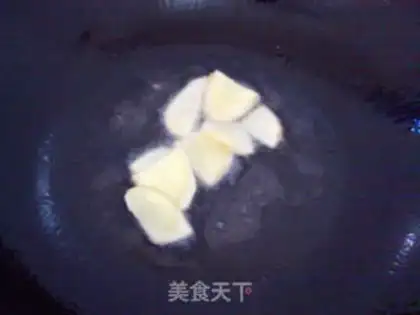
10
After heating the oil pan, add ginger slices, stir fry until fragrant.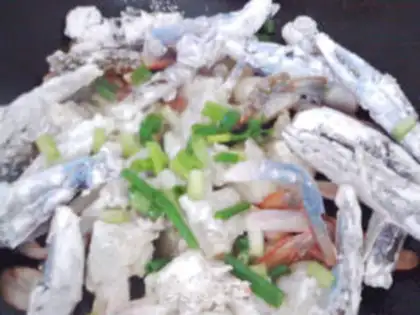
11
Put the crabs into a frying pan and fry them, sprinkle with chopped green onion.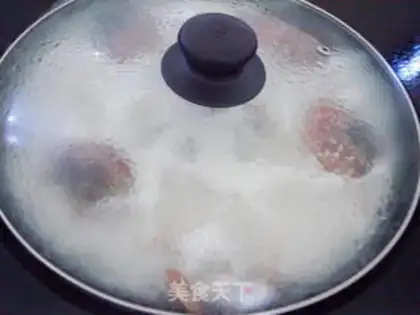
12
Drizzle with the right amount of cooking wine and add the right amount of water, until the water reaches the crab.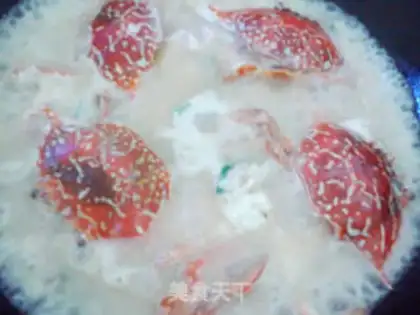
13
After the water in the pan is boiling, add a little salt, pour in the batter, and sprinkle with chopped celery.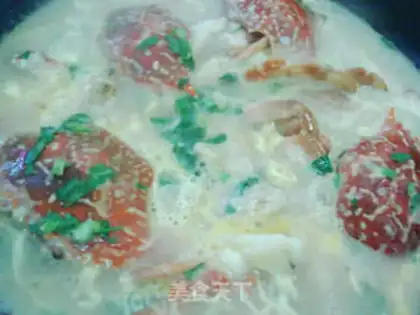
14
Pour the eggs on the crab tightly, wait for the egg to solidify a little, and then turn gently.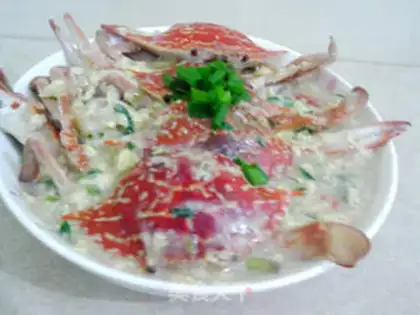
15
Delicious hibiscus crab.hibiscus crab Make Tips
Huan Xiaoyu
1. When cooking crabs, it is advisable to add some perilla leaves and fresh ginger to relieve crab poison and reduce its cold nature.
2. The gills, sandbags, and internal organs of crabs contain a large number of bacteria and toxins, which must be removed when eating.
3. Uncooked crabs such as drunken crabs or pickled crabs should not be eaten. They should be steamed and boiled before eating; cooked crabs that have been stored for too long should not be eaten; they should not be eaten with tea. Avoid drinking tea when eating crabs and within 1 hour after eating crabs; crab fertilizer is the season when persimmon is ripe, so you should pay attention to avoiding mixing crab and persimmon;
4. Crab meat is delicious and nutritious, but dead crabs should not eat it; because crabs like to eat rotten substances such as animal carcasses, they often carry pathogenic bacteria and toxic substances in their gastrointestinal tract. Once they die, these bacteria reproduce in large numbers; In addition, crabs also contain more histidine, which is easy to decompose and can produce histamine and histamine-like substances under the action of decarboxylase. Especially when crabs die, histidine decomposes more rapidly. As crabs die, the longer the time they die, the more histamine accumulates in the body, and when histamine accumulates to a certain amount, poisoning will occur.
1. When cooking crabs, it is advisable to add some perilla leaves and fresh ginger to relieve crab poison and reduce its cold nature.
2. The gills, sandbags, and internal organs of crabs contain a large number of bacteria and toxins, which must be removed when eating.
3. Uncooked crabs such as drunken crabs or pickled crabs should not be eaten. They should be steamed and boiled before eating; cooked crabs that have been stored for too long should not be eaten; they should not be eaten with tea. Avoid drinking tea when eating crabs and within 1 hour after eating crabs; crab fertilizer is the season when persimmon is ripe, so you should pay attention to avoiding mixing crab and persimmon;
4. Crab meat is delicious and nutritious, but dead crabs should not eat it; because crabs like to eat rotten substances such as animal carcasses, they often carry pathogenic bacteria and toxic substances in their gastrointestinal tract. Once they die, these bacteria reproduce in large numbers; In addition, crabs also contain more histidine, which is easy to decompose and can produce histamine and histamine-like substances under the action of decarboxylase. Especially when crabs die, histidine decomposes more rapidly. As crabs die, the longer the time they die, the more histamine accumulates in the body, and when histamine accumulates to a certain amount, poisoning will occur.