Garlic rice amaranth
By VicentaLakin
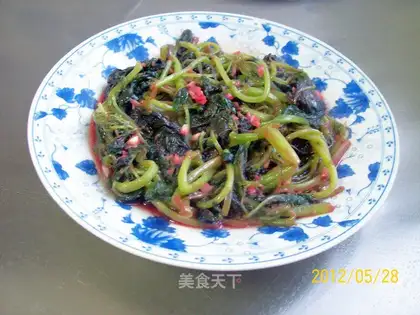
Recipe Recommendations
- rice bran appropriate amount
- garlic appropriate amount
- salt appropriate amount
- MSG appropriate amount
- white granulated sugar appropriate amount
- cooking oil appropriate amount
Steps for Garlic rice amaranth
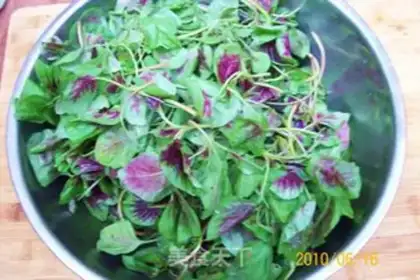
1
1. Processing of ingredients: 1. Remove the old leaves and roots of rice amaranth, soak them with clear water, and wash them for later use. 2. Peel and wash the garlic and remove the garlic grains for later use.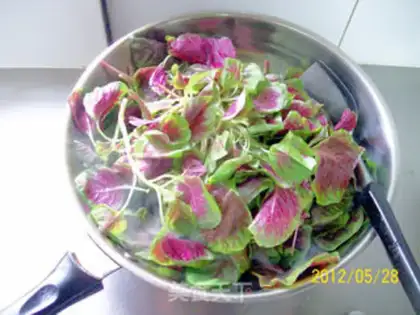
2
2. Cooking method: 1. Pour oil in the pan and heat it, heat the rice amaranth and stir fry.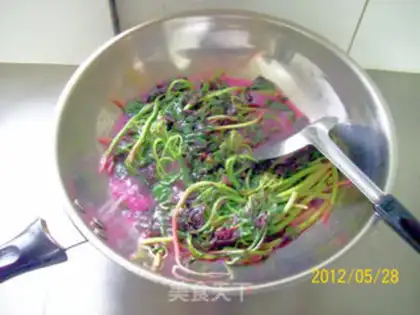
3
2. Stir fry the rice amaranth until it changes color and becomes soft, pour in appropriate amount of salt and water.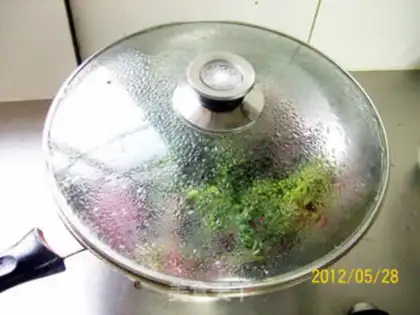
4
3. Cover the lid and bring to a boil over high heat, then turn to low heat and cook for a while.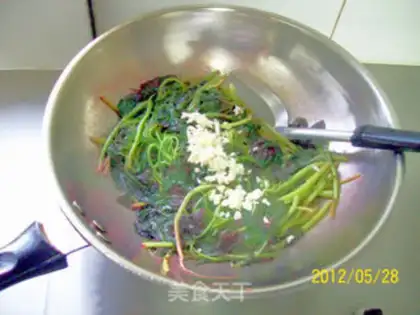
5
4. After the rice amaranth is crisp and soft, stir fry the garlic rice with soft feet, season and collect the juice.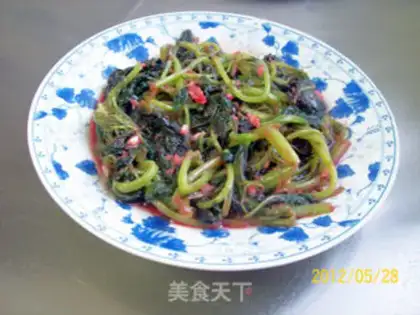
6
[Symphony of Gourmet Spring]--The finished picture of the delicious food "Garlic, Rice and Amaranth" dish with green leaves and feelings.Garlic rice amaranth Make Tips
Amaranth is rich in calcium that is easily absorbed by the body. It can promote the growth of teeth and bones, maintain normal myocardial activity and prevent muscle cramps (cramps). It is rich in iron, calcium and vitamin K, and has the functions of promoting blood coagulation, increasing hemoglobin content and improving oxygen-carrying capacity, and promoting hematopoiesis. Amaranth is also the protagonist on the weight loss table. Eating it regularly can lose weight and lighten your body, promote detoxification, and prevent constipation.
Amaranth is divided into white amaranth and red amaranth, and is abundant in summer. When the plant has not hardened and buds have not formed, pull up the whole plant or cut it along the soil surface with a knife. Each 200g of tender stems and leaves contains about 90.1 g of water, 1.8 g of protein, 5.4 g of carbohydrates, 180mg of calcium, 46mg of phosphorus, 1.95 mg of carotene, and 28 mg of vitamin C. Stir fry or make soup. The whole plant can be used as medicine. Amaranth plants are distributed all over the world. There are 13 species of Amaranthus in China. The few cultivated species are mainly distributed in China and India. Amaranth has been cultivated in China since ancient times. In the "Erya" in the early Han Dynasty of China, it was called "Ji, red amaranth." It is now cultivated all over the country. Amaranth roots are relatively developed and widely distributed. The stem is 80 - 150cm high and has branches. Leaves alternate, entire, ovate-elliptic to lanceolate, smooth or wrinkled, 4-10cm long, 2-7cm wide, green, yellow-green, purplish red or mottled. Flowers are unisexual or polygamous, in spikes; flowers are small, with 3 perianth segments membranous; stamens are 3, pistil stigmas are 2-3, utricles are oblong, and cover is split. The seeds are round, purple-black and shiny, and the 1000-grain weight is 0.7g.
Amaranth juice is a marinade made from fresh amaranth stems after years of fermentation and marinating. It is pure natural edible grade stinky brine and never adds any chemical raw materials. It is commonly known in Shaoxing as stinky tofu stinky water. The tofu is soaked in it to make stinky tofu. After frying, it is crispy on the outside and tender on the inside, has a strong flavor and endless aftertaste. The surface is golden, and it is salty and fresh in the mouth. It does not smell but is fragrant. Even some people who have never eaten stinky tofu want to taste it after looking and smelling it. Therefore, there is a saying that "when you smell the stench in your nostrils, you will have a strange fragrance in your mouth." It is the most ideal high-quality stinky stewed for producing all kinds of stinky tofu.
Taboos for eating amaranth
People with deficiency of the spleen and stomach should not eat; people who usually have cold stomach and prone to diarrhea should not eat more. Avoid eating amaranth with turtle and turtle meat
Amaranth is divided into white amaranth and red amaranth, and is abundant in summer. When the plant has not hardened and buds have not formed, pull up the whole plant or cut it along the soil surface with a knife. Each 200g of tender stems and leaves contains about 90.1 g of water, 1.8 g of protein, 5.4 g of carbohydrates, 180mg of calcium, 46mg of phosphorus, 1.95 mg of carotene, and 28 mg of vitamin C. Stir fry or make soup. The whole plant can be used as medicine. Amaranth plants are distributed all over the world. There are 13 species of Amaranthus in China. The few cultivated species are mainly distributed in China and India. Amaranth has been cultivated in China since ancient times. In the "Erya" in the early Han Dynasty of China, it was called "Ji, red amaranth." It is now cultivated all over the country. Amaranth roots are relatively developed and widely distributed. The stem is 80 - 150cm high and has branches. Leaves alternate, entire, ovate-elliptic to lanceolate, smooth or wrinkled, 4-10cm long, 2-7cm wide, green, yellow-green, purplish red or mottled. Flowers are unisexual or polygamous, in spikes; flowers are small, with 3 perianth segments membranous; stamens are 3, pistil stigmas are 2-3, utricles are oblong, and cover is split. The seeds are round, purple-black and shiny, and the 1000-grain weight is 0.7g.
Amaranth juice is a marinade made from fresh amaranth stems after years of fermentation and marinating. It is pure natural edible grade stinky brine and never adds any chemical raw materials. It is commonly known in Shaoxing as stinky tofu stinky water. The tofu is soaked in it to make stinky tofu. After frying, it is crispy on the outside and tender on the inside, has a strong flavor and endless aftertaste. The surface is golden, and it is salty and fresh in the mouth. It does not smell but is fragrant. Even some people who have never eaten stinky tofu want to taste it after looking and smelling it. Therefore, there is a saying that "when you smell the stench in your nostrils, you will have a strange fragrance in your mouth." It is the most ideal high-quality stinky stewed for producing all kinds of stinky tofu.
Taboos for eating amaranth
People with deficiency of the spleen and stomach should not eat; people who usually have cold stomach and prone to diarrhea should not eat more. Avoid eating amaranth with turtle and turtle meat