Walking in the supermarket, I occasionally see split meat of sea bass on sale. Because the fish was so big, no one cared for the whole fish, so the salesperson divided it into pieces and sold it.
Although this sea bass is not very delicious, it has few fresh bones, and I am most afraid of fish bones, haha! I thought it was very fresh, so I picked a fish tail. The tail of sea bass is very tender and contains a lot of collagen, making it easy to handle.
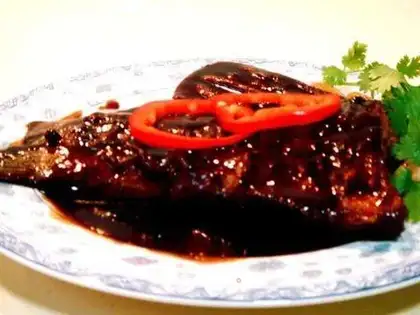
Today, I use it to make a dish, make a strong flavor, called "smoked vinegar and boiled water". Professional chefs call the tail of a fish paddling, so let's call it paddling!
Smoked vinegar and boiled water
Recipe Recommendations
- sweet and sour
- burn
- ten minutes
- ordinary
Steps for Smoked vinegar and boiled water
1
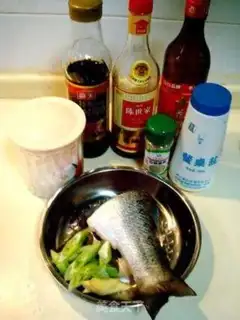
450 grams of sea bass tail, 30 grams of green onions, 20 grams of ginger slices, 20 grams of garlic, 2 star anise, 20 pieces of pepper, 2 grams of salt, 1 gram of pepper powder, 35 grams of sugar, 25 grams of smoked vinegar, 15 grams of rice wine, 10 grams of soy sauce, 25 grams of peanut oil.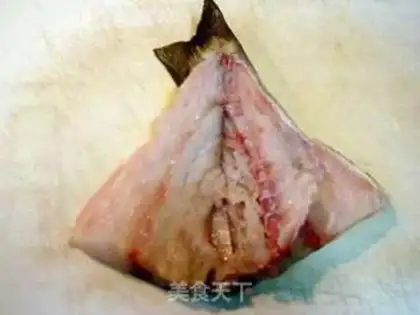
2
Use a knife to break the fish tail for later use.
3
Make bowl juice first.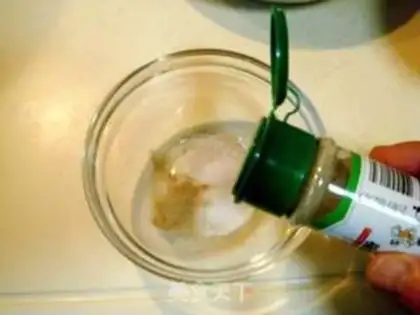
4
Mix the pepper into the bowl juice.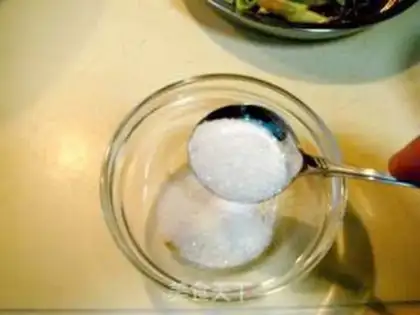
5
Salt...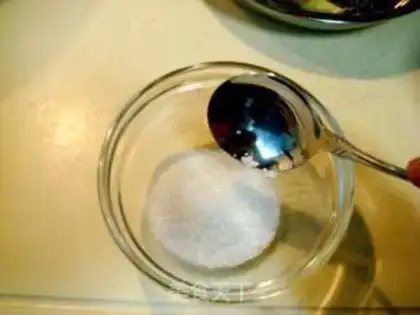
6
Sugar...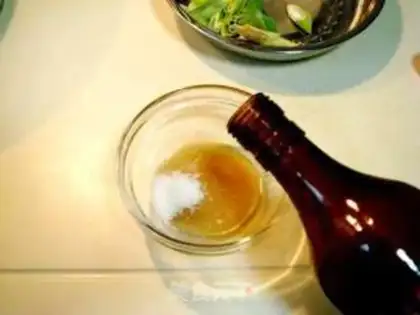
7
Yellow wine...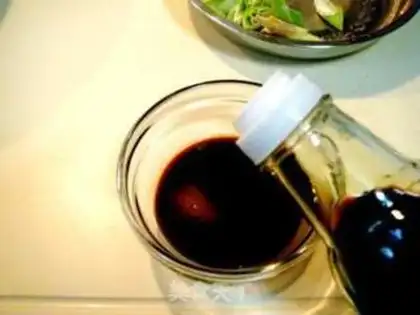
8
Soy sauce...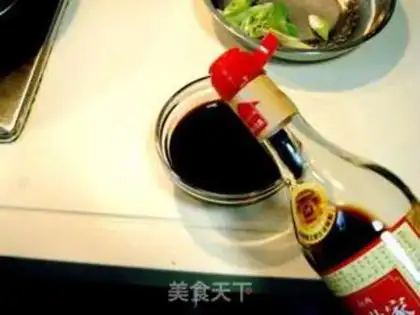
9
Mix with smoked vinegar, add a little water and mix well.
10
Pat the fish tail inside and out with dry flour.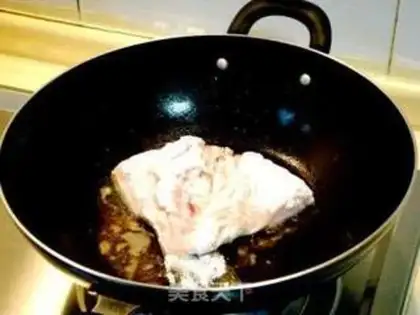
11
Pour oil into a frying spoon on fire, heat the oil and add the fish.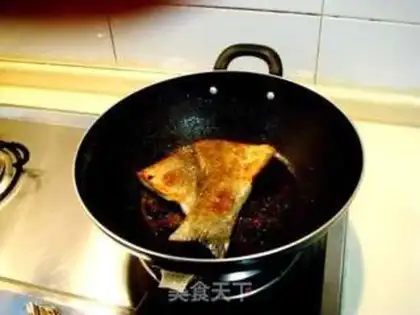
12
Fry the fish until golden on both sides.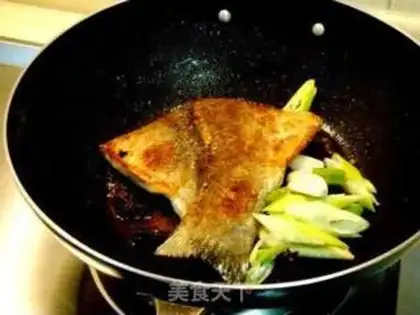
13
Add star anise, pepper, onion, and ginger and stir-fry until fragrant.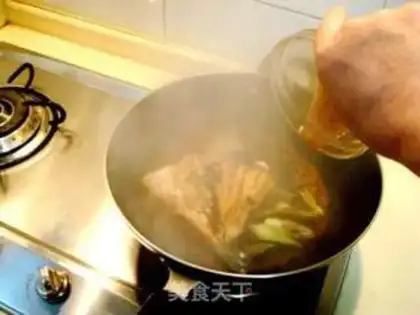
14
Pour in the pre-prepared bowl juice.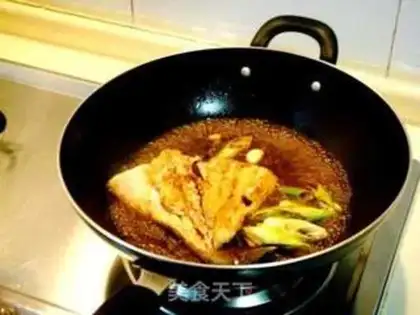
15
Add a little more water and bring to a boil.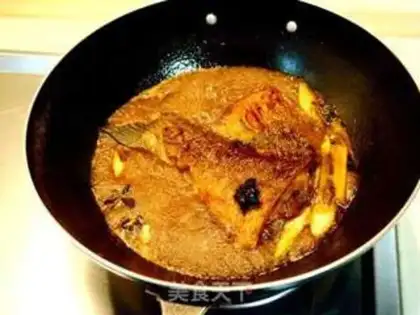
16
Simmer over slow fire for 15 minutes, then collect the juice over high heat and thicken the juice.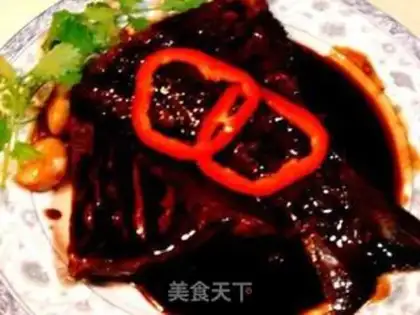
17
You can then take out the pots and plates to decorate the table.Smoked vinegar and boiled water Make Tips
Characteristics of Vinegar Braising: Deep red color, rich vinegar aroma, sweet and sour with a hint of saltiness, tender texture, and delicious flavor.
Friendly Tips:
1. Since the fish tail has already been split open with a knife, there is no need to score it with cross-hatch cuts during braising.
2. Use a bit more sugar and vinegar to make this dish for a richer flavor; darker smoked vinegar is more suitable.
3. If using a non-stick pan, less oil is needed. After pan-frying, simply finish the dish in the same pot; there is no need to remove the fish to stir-fry the aromatics separately.
4. For the heat control: high heat at the beginning and end, with low heat in the middle. Specifically, bring to a boil over high heat, then switch to low heat to simmer until cooked, and finally use high heat to reduce the sauce.