Coco-coloured buns
By VicentaLakin
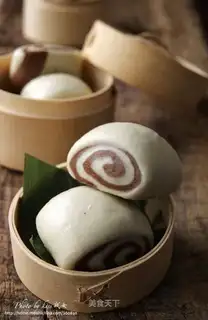
Sliced with the most basic and simple fermented noodles. It's not so hard to make fresh, soft buns of skin-light tissue, but the key is whether you've done enough work on your face, your plastics, your fermentation. The time has come, and the return is different. This cutter is ready, and then we can make other Chinese pasta。
Recipe Recommendations
- medium-gluten flour 300 grams
- warm water 150 ml
- dry yeast 3 grams
- white sugar 5 grams
- milk powder 10 grams
- cocoa powder 5 grams
Steps for Coco-coloured buns
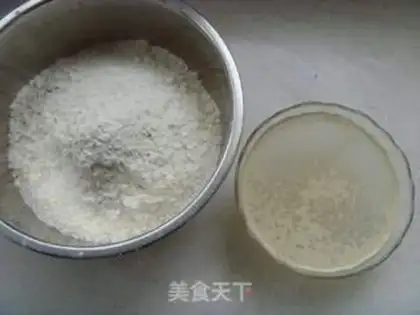
1
The yeast is soluble in the hot water and is set still for five minutes。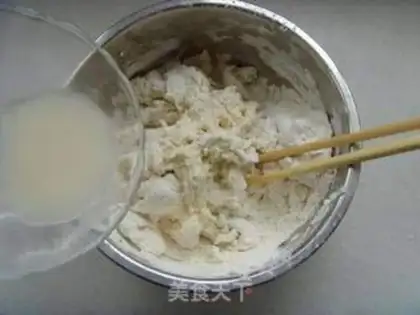
2
The flour bowl is filled with powdered milk, sugar and, in turn, yeast。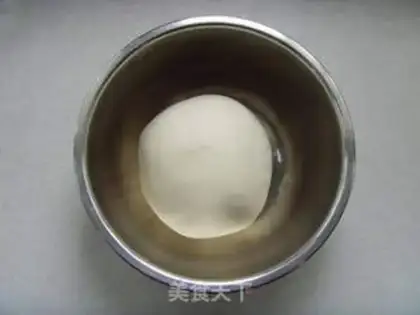
3
Scratch it into a mollusk, covered with a fermentation film。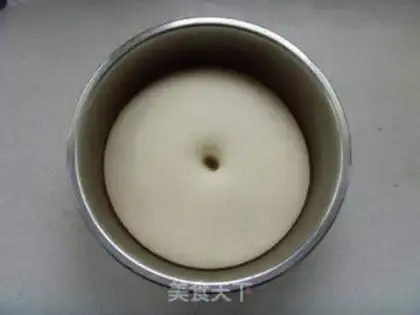
4
The fermentation is 1.5 to 2 times larger, with a beehive, and the air bubbles are squeezed with a light hand。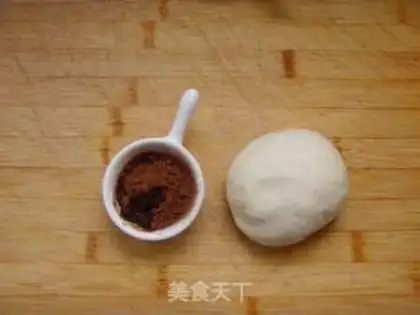
5
One half of the fermented pasta is added to the cocoa powder in the pasta。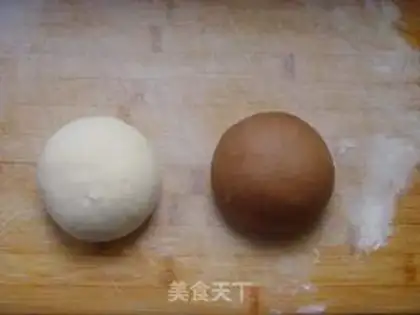
6
Two-coloured flounder rolls for 15 minutes。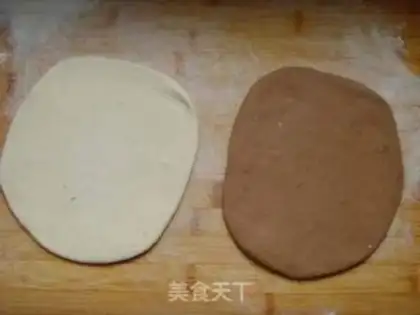
7
It's like growing two different colours of noodles。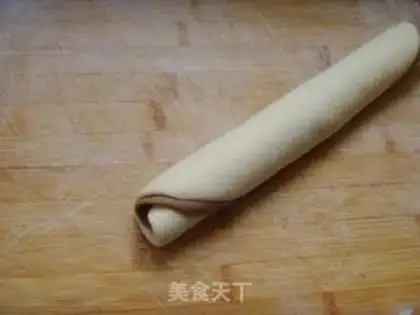
8
Double-coloured, from top to bottom。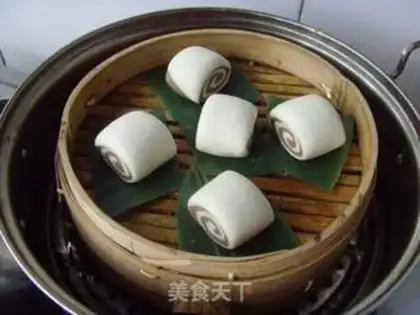
9
Equivalent with a knife, fermenting for about 10-20 minutes。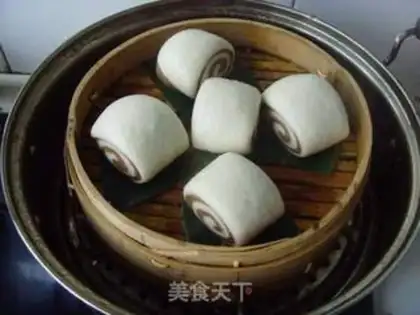
10
After burning the water in the steam pot, the fire evaporated for 15 minutes. Turn off the fire and release the pot in three minutes。Coco-coloured buns Make Tips
1. When mixing dough, don't pour all the water in at once. Use chopsticks to stir while pouring. Use chopsticks to point obliquely and rub while stirring. Wait until all the dough has become cotton wool and then knead it with your hands. It will not stick. There are noodles on your hands, and the hardness should be controlled at any time.
2. When mixing noodles, three lights must be achieved, namely face light, hand light, and basin light.
3. The dough fermentation time depends on the weather. The fermentation time is shorter in summer and longer in winter.
4. Putting a little white sugar or honey in the flour can increase the activity of yeast and shorten the time taken to make dough.
5. Hot water or boiling water cannot be used to steam steamed buns and steamed buns. Because the raw steamed buns are suddenly put into the hot steamer, the steamed buns will be heated rapidly, which will cause the heat inside and outside of the steamed buns to be unevenly heated. The surface of the steamed buns will be scalded before they are ready, forming dead steamed buns; When the steam is placed on the pot with cold water, the steamed buns will gradually be evenly heated from all directions, and the steamed buns will be soft and delicious.
6. There must be a certain gap between the steamed buns during steaming, otherwise the steamed buns will stick after they expand and affect the appearance of the finished product.
7. Do not remove the steamed buns immediately after steaming, otherwise it will collapse and wrinkle.
2. When mixing noodles, three lights must be achieved, namely face light, hand light, and basin light.
3. The dough fermentation time depends on the weather. The fermentation time is shorter in summer and longer in winter.
4. Putting a little white sugar or honey in the flour can increase the activity of yeast and shorten the time taken to make dough.
5. Hot water or boiling water cannot be used to steam steamed buns and steamed buns. Because the raw steamed buns are suddenly put into the hot steamer, the steamed buns will be heated rapidly, which will cause the heat inside and outside of the steamed buns to be unevenly heated. The surface of the steamed buns will be scalded before they are ready, forming dead steamed buns; When the steam is placed on the pot with cold water, the steamed buns will gradually be evenly heated from all directions, and the steamed buns will be soft and delicious.
6. There must be a certain gap between the steamed buns during steaming, otherwise the steamed buns will stick after they expand and affect the appearance of the finished product.
7. Do not remove the steamed buns immediately after steaming, otherwise it will collapse and wrinkle.