Biga yeast, Shabada
By VicentaLakin
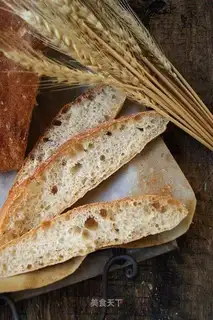
like the stick, shabada is a seemingly basic, but difficult, bread. in addition to requiring a thin shell and a rich and chewing taste of internal organization, its greatest characteristic is the large and irregular number of holes in the interior. it's very rare because of the high water content. methodological experience is important, and it must be as little as possible to rub the face and increase the muscles by folding the face. this time, albeit far from perfect, there is much room for progress, but at least two times better than before, not only in-house tissue and outer shells, but also because of the long fermented biga yeast, the flavor is very good。
Recipe Recommendations
- Biga starter: yeast 1.25 grams
- water
- high-gluten flour 200 grams
- medium-gluten flour 100 grams
- whole wheat flour 15 grams
- rye flour 15 grams
- warm water
- Main dough: Medium gluten flour 325 grams
- yeast 3 grams
- salt 13 grams
- biga starter
Steps for Biga yeast, Shabada
1
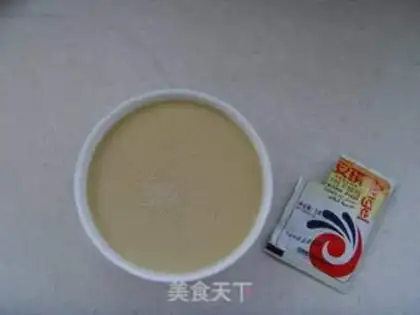
The yeast is 5-10 minutes static after mixing with water。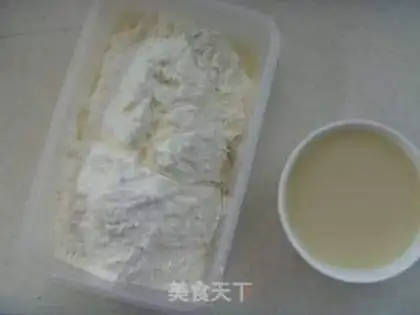
2
The fermenter solution is 2.5 ml mixed with flour and the rest thrown away。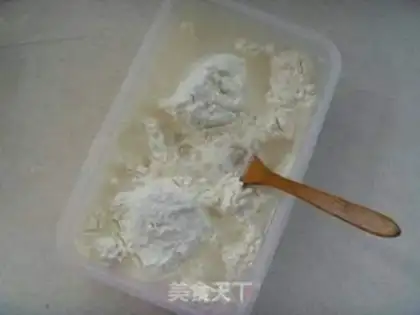
3
Add 185 ml of hot water to flatten the hard-noodle group。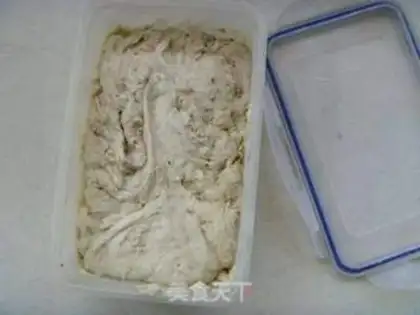
4
Room temperature is placed for 30 minutes, followed by 24 hours in the freezer。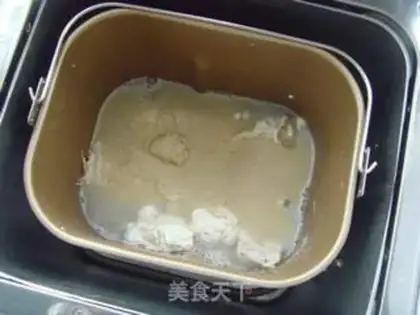
5
the main lasagna material was said to be mixed with the biga yeast and poured into the bakery。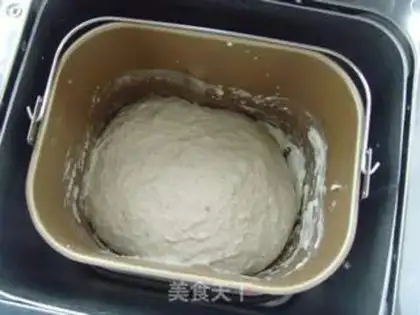
6
Select the five-minute face and face slot to slide to the face group。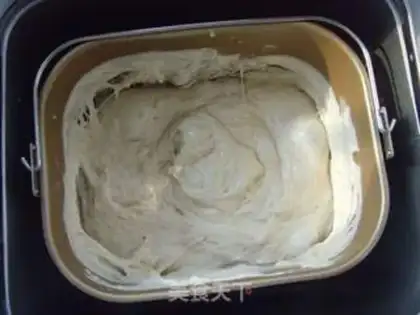
7
Noodles are thick, cramped and fermented for 2.5-3 hours。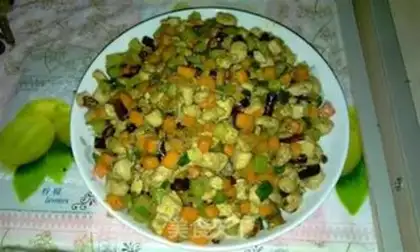
8
During the fermentation period, the pasta is folded every 20 minutes, 3-4 times, with a marked increase in the back band。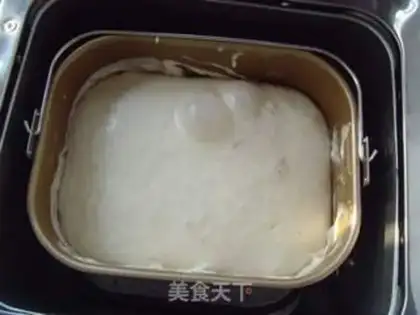
9
The fermentation completes the fermentation of the noodles with a clear swelling bubble。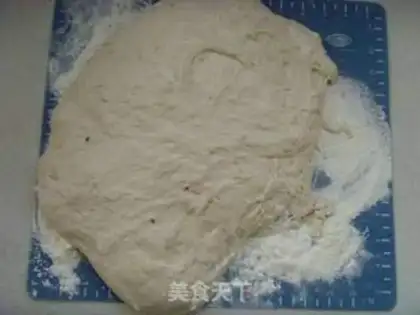
10
The operating table was powdered and the face was thrown out and split into two pieces with a scratchboard。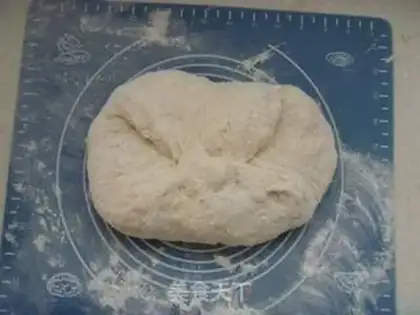
11
Take one of the noodles and make a slight discount。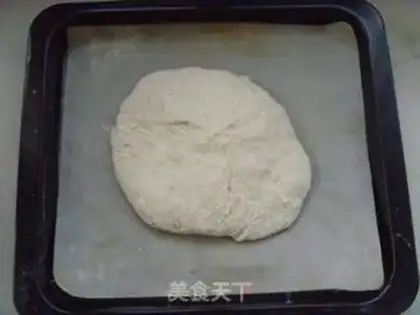
12
The noodles were folded and spread over the powdered tarpaulin and fermented for 40 minutes。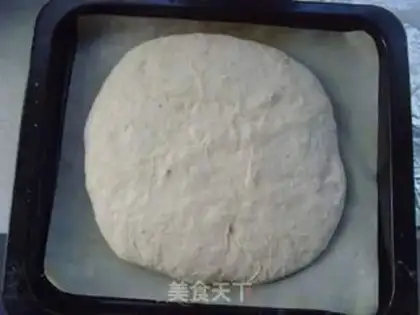
13
The dough is full of bubbles, and it does not come back with light pressure; it flips, sews up, smooths down and allows the bubble to be evenly distributed in it。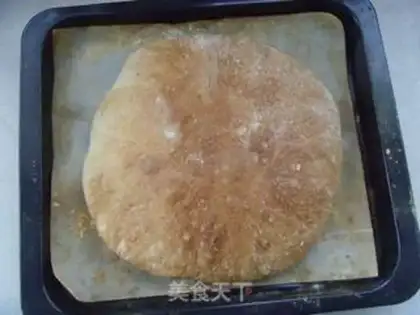
14
The oven preheats 230 degrees, steam baking 25 minutes to show a nice baking colour。Biga yeast, Shabada Make Tips
1. Biga is a commonly used starter for Italian bread. It is a solid starter with a water content of 60%.
2. Biga yeast fermentation is very slow, and it is normal that there is no change in the first 10 hours. By about 24 hours, the volume has tripled its original size, become much softer, and has a sour taste.
3. Shabada's holes are not decoration, but have practical effects. The most common way to eat is to slice and dip it in olive oil. If the tissue is too fine, a lot of the oil will be absorbed and it will taste very greasy.
4. For friends who are keen on European bags and French sticks, I suggest starting by trying Shabada. Although this kind of bread is wet, it does not need to be shaped and cut. It is actually easier to operate than French sticks.
2. Biga yeast fermentation is very slow, and it is normal that there is no change in the first 10 hours. By about 24 hours, the volume has tripled its original size, become much softer, and has a sour taste.
3. Shabada's holes are not decoration, but have practical effects. The most common way to eat is to slice and dip it in olive oil. If the tissue is too fine, a lot of the oil will be absorbed and it will taste very greasy.
4. For friends who are keen on European bags and French sticks, I suggest starting by trying Shabada. Although this kind of bread is wet, it does not need to be shaped and cut. It is actually easier to operate than French sticks.