Coconut Simillo
By VicentaLakin
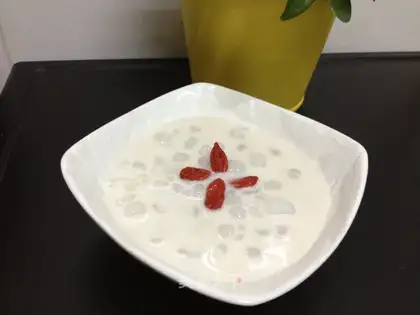
When I saw Simi at the supermarket that day, I thought about the coconut Similu, but the supermarket only sells the rice, which is usually cooked with the rice, but when I think of the coconut Similu, I'm going to salivate, and anyway, the rice is going to take it home. Cooking rice is a test of patience, especially for this type of rice, which takes longer. I spent half an hour cooking with a high-pressure pan。
Recipe Recommendations
- Daimi appropriate amount
- coconut juice appropriate amount
- wolfberry appropriate amount
- honey red bean appropriate amount
- sweetening
- cook
- three-quarters of an hour
- simple
Steps for Coconut Simillo
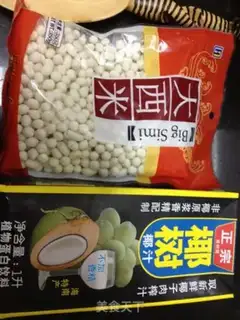
1
The rice and coconut juice are ready, the most traditional kind of coconut juice I use, and it tastes strong。
2
Grab two big Simes, wash a little, wash off the impurities outside。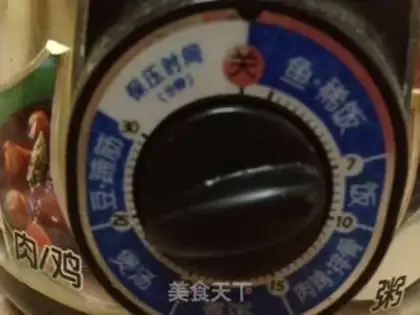
3
Put the washed rice in the high-pressure pan and a soup bowl of water for 10 minutes。
4
When the high-pressure pan spreads the climate, the rice is washed out with cold water and the sticky starch outside Simi is washed out。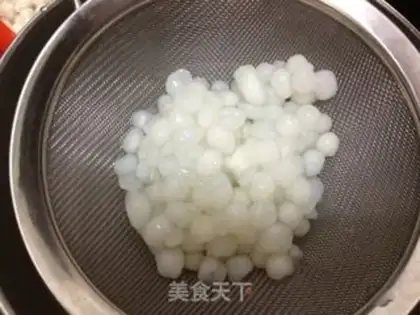
5
And cold water into the pot, high pressure for 20 minutes。
6
When the heat of the high-pressure pan is out, Simi will be pressed and washed with cold water。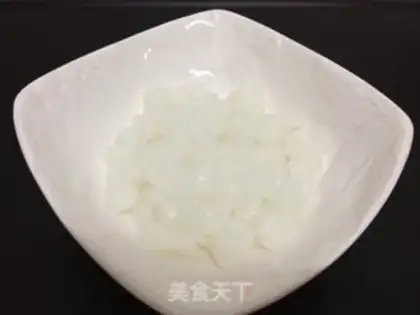
7
Put the cooled Simi in the container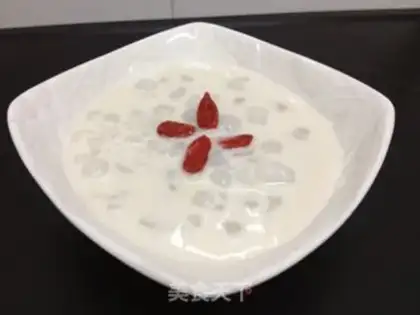
8
Pour into coconut juice, code decorated, and taste better after cooling in the fridge。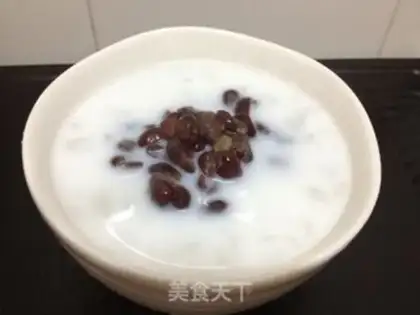
9
With a spoonful of bean bean, it'll be red bean coconut simil。Coconut Simillo Make Tips
Tips for cooking sago:
The sago is very hard and must be boiled twice. After boiling for the first time, be sure to wash it with cold water. On the one hand, the starch wrapped around the sago is washed away to ensure the taste of the sago. On the other hand, the hot sago is washed away with cold water. After the cold water is washed, the cold water will enter the inside of the sago, so that the sago can be cooked quickly during the second time.
The sago is very hard and must be boiled twice. After boiling for the first time, be sure to wash it with cold water. On the one hand, the starch wrapped around the sago is washed away to ensure the taste of the sago. On the other hand, the hot sago is washed away with cold water. After the cold water is washed, the cold water will enter the inside of the sago, so that the sago can be cooked quickly during the second time.