Seagull
By VicentaLakin
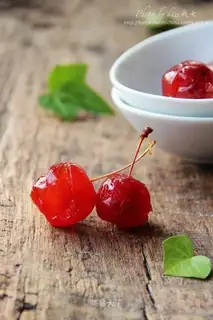
The fruit and honey made in Beijing came from the royal palace. In order to ensure that the Emperor eats fresh fruit for four seasons a year, the chefs have grouped the fruits of the seasons into honey so that the Emperor can eat them at any time. In Chongchong, fruit production skills were introduced into the civil population by the palace, and there were workshops in Beijing dedicated to fruit production. Kim Yi wrote about the fruit of the Queen's wife's wife's wife's wife's daughter's wife's daughter's daughter's daughter's daughter's daughter's daughter's daughter's daughter's daughter's daughter's daughter's daughter's daughter's daughter's daughter. "Autumn and winter's honey, fruit, summer's sweet bowls
Recipe Recommendations
- Begonia fruit 500 grams
- sugar 500 grams
- qingshui appropriate amount
- sweetening
- skills
- several days
- ordinary
Steps for Seagull
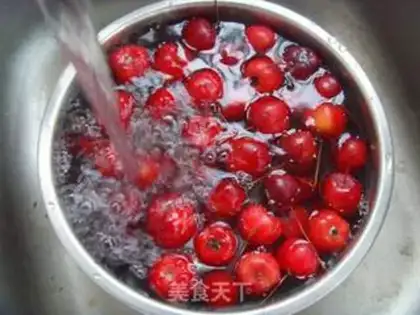
1
Clean up the berry, tart。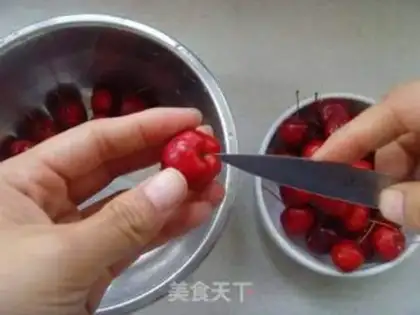
2
I'm gonna use a knife to get some fruit。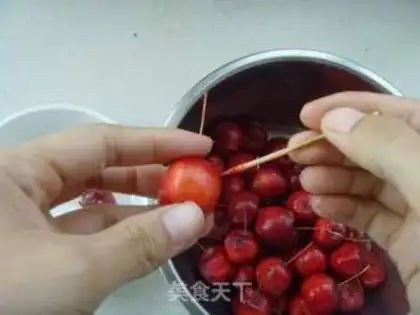
3
I'll put my toothpicks around my head for sugar。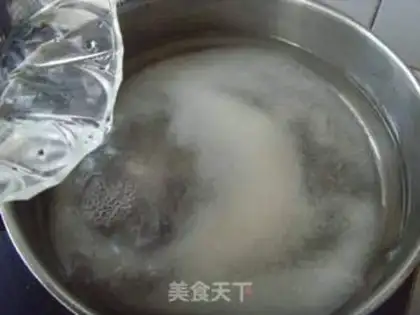
4
It pours sugar and water into the pot, and the fire boils。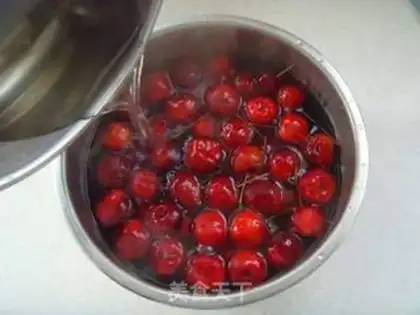
5
Sugar water is immersed in the hot seagulls for more than 12 hours。
6
And pour into the pot the juice from the pickled sea, and heat it with a small fire。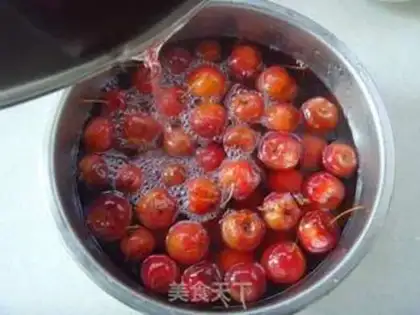
7
It's 12 hours of pickled up in a seafruit。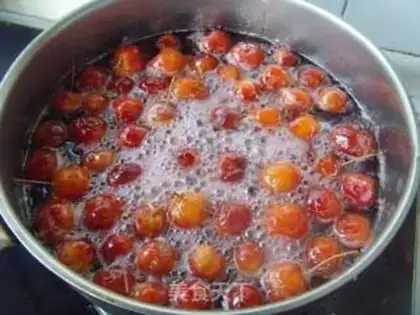
8
And pour into the pot seafruit with sugar, and the little fire heateth。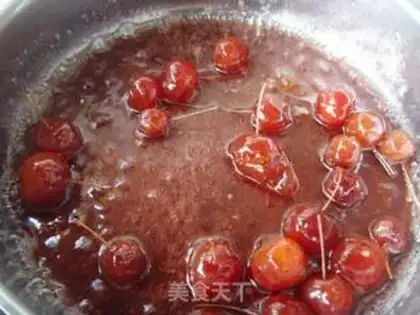
9
With a little bubble of sugar juice, the sea berry is transparent enough to turn off the fire。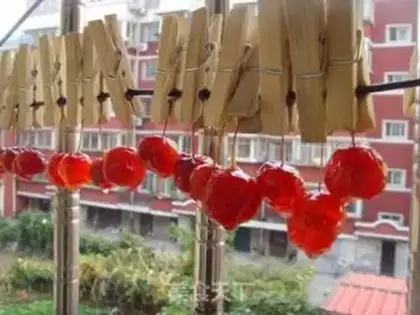
10
It's two to three days' diet。Seagull Make Tips
There are many varieties of preserved fruit in Beijing. To distinguish preserved fruit and preserved fruit, according to the custom in Beijing, those with low moisture content and no juice are called preserved fruit. For example: preserved apples, preserved pears, preserved apricots, preserved peaches, preserved sand, preserved fragrant fruit, preserved begonia, preserved dates (also known as golden silk dates) preserved green plum, preserved red, etc. Because the above preserved fruit is made by processing the raw materials, boiling with sugar, and then drying, its color is brown, golden or amber, bright and transparent, the surface is dry, slightly sticky, and the water content is below 20%. This fruit product, also known as "northern preserved fruit" or "northern honey", means the northern form of preserved fruit. Winter melon strips, sugar water chestnuts, sugar lotus root slices, sugar ginger slices and other slices with a layer of powdery white sugar on the surface are called sugar-coated preserved fruits, also called "southern preserved fruits" or "southern honey", which are from Fujian, Guangdong, Shanghai and other southern preserved fruits. The meaning is crisp in texture and has a high sugar content. Candied fruit products that have been boiled with honey or sugar without drying. The surface is moist and soft, with a water content of more than 30%, and is generally immersed in sugar juice.
Begonia fruit is also known as Sorbus seed, Haihong, etc. Begonia contains a large number of nutrients, such as carbohydrates, multiple vitamins, organic acids, etc., which can supplement the nutrients needed by the human body, improve body functions, and enhance resistance to diseases.
Begonia is fruity in nature, sweet and slightly sour in taste, and enters the spleen and stomach meridians;
It has the effect of promoting saliva to quench thirst, strengthening the spleen to relieve diarrhea;
Indications for indigestion, food stagnation, abdominal distension, enteritis, diarrhea and hemorrhoids.
Begonia fruit is also known as Sorbus seed, Haihong, etc. Begonia contains a large number of nutrients, such as carbohydrates, multiple vitamins, organic acids, etc., which can supplement the nutrients needed by the human body, improve body functions, and enhance resistance to diseases.
Begonia is fruity in nature, sweet and slightly sour in taste, and enters the spleen and stomach meridians;
It has the effect of promoting saliva to quench thirst, strengthening the spleen to relieve diarrhea;
Indications for indigestion, food stagnation, abdominal distension, enteritis, diarrhea and hemorrhoids.