Cotton toast
By VicentaLakin
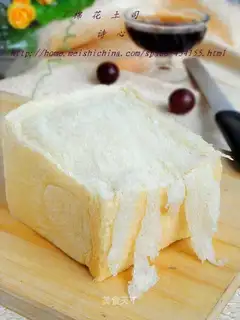
It's a very delicate taste. It's really a sense of improvisation, so I call it cotton toast. I can't eat a piece like this. I like to take it to my hand。
Recipe Recommendations
- high powder 250 grams
- milk powder 15 grams
- qingshui 120 grams
- egg liquid 30 grams
- fine sugar 40 grams
- butter 30 grams
- salt 1/2 teaspoon
- dry yeast 1.5 small spoon
- sweetening
- baking
- several hours
- senior
Steps for Cotton toast
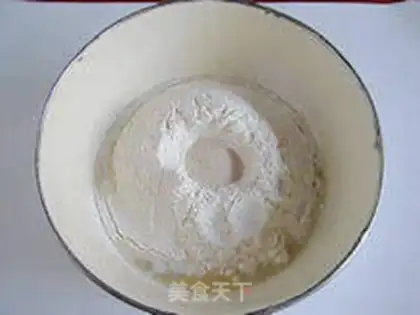
1
Take a large bowl with all the raw materials measured, add materials in the order of water, salt, sugar, egg fluid, milk powder, high powder (high powder sifted in advance so as not to add particles, salt and sugar to the corner), and finally, dig a hole in the high powder and put a yeast on it, then cover it with flour。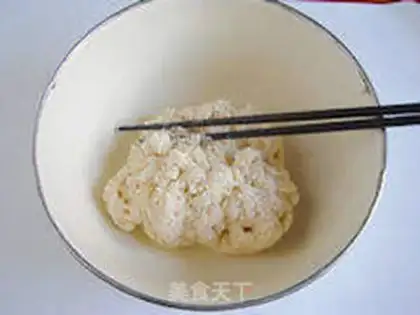
2
Put chopsticks in the same direction and mix them into dry powder-free patches. It took about half a minute. (This is to save the bread machine and face time, while also better maintaining it)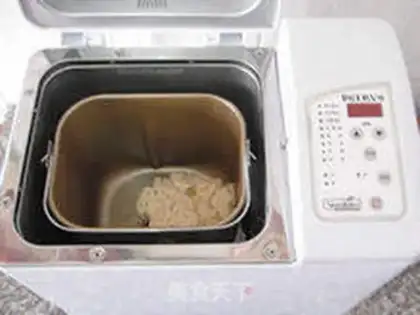
3
Add the dry-dry flour in the big bowl to the bakery。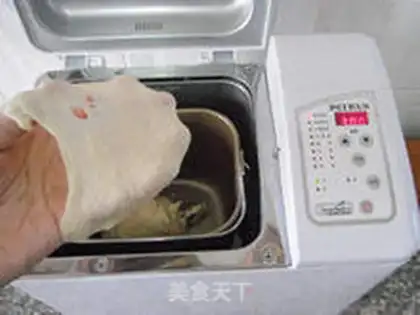
4
Cover, start and face program (one and a face program is 15 minutes) and, after the face program, look at the face of the face, the surface is rougher, take a small piece of the face and test it, although it can easily expand, but it can break。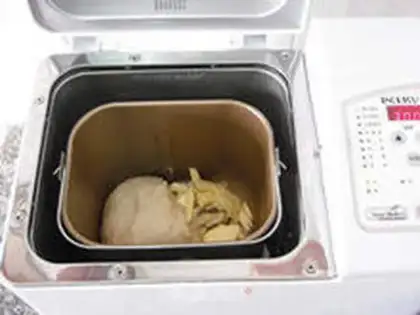
5
At this point, the early softening of butter is added, the lid is put on, a face-to-face procedure is continued (15 minutes), after which it will be closed manually for five minutes。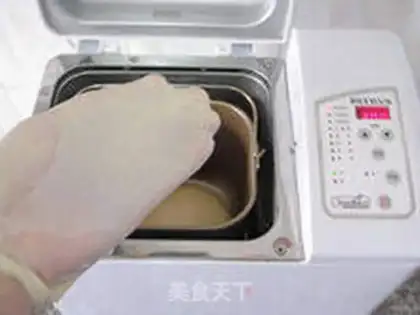
6
After the meta-program is completed, a small noodle is removed and slowly pulled in the opposite direction with the thumb and index finger of both hands. It pulls out a thin film that can be easily worn on the hand, which is often referred to as the “mode of gloves”. By that time the noodles had reached the “full” stage and could be used to make toast. ♪ And the face takes 35 minutes ♪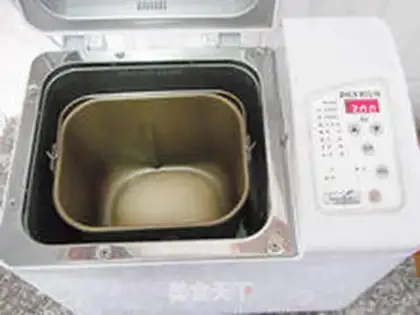
7
Put the noodles back in the bread can, with both hands。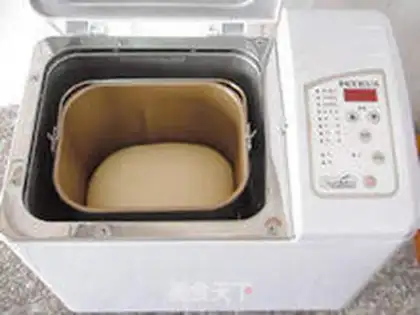
8
Cover the bread drums with a skin mask, and then cover the bread machine (the aim is to create a temperature and humidity suitable for fermentation, and to prevent the volatilisation of the face of the face from causing the skin to dry) and ferment the face to about 2 to 2.5 times the original surface. (If it's winter, you can start the fermentation function of the baker, which is now 26 degrees in the room, as long as it's warm. And I usually shut down the power when I fermented with constant temperature)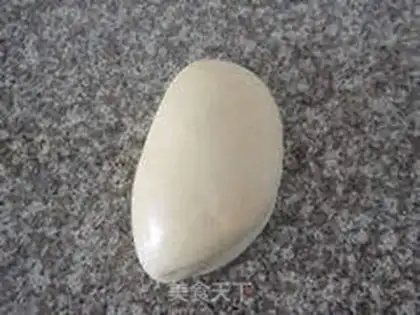
9
The fermented noodles fell out of the bread can, and the noodles were folded from one side to the other, and they were pressed with their hands and ventilated。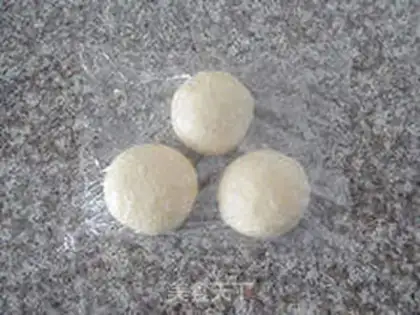
10
After the venting, the face is divided into an average of three equals, rolling round, covering the film, and fermenting for 15 minutes. (This step is generally referred to as fermentation in the middle and is intended for the rear plastics, which are more difficult to stretch if they are not awaken)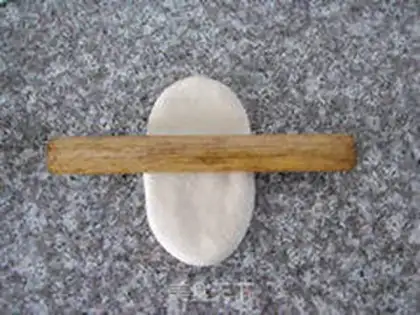
11
Take a noodle and turn it into an ellipse。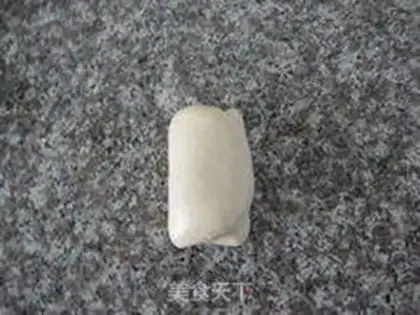
12
Turn over and fold from one third of both ends to the middle。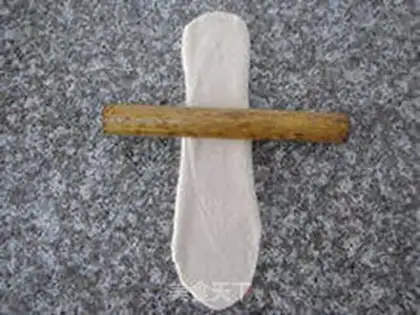
13
Open from the middle to the square, grow the bars and at the bottom. (The bottom is thin, so that the pasta in the back is sticky and steady, and if it is thick, the pasta in the back is fermented slowly after a period of time. I'm not sure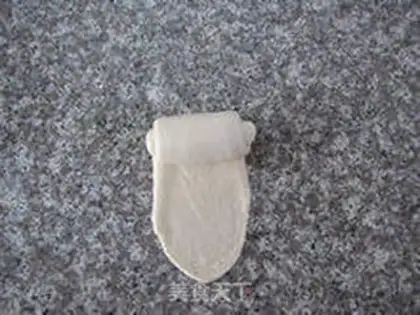
14
Good noodles from top down, tight rolls。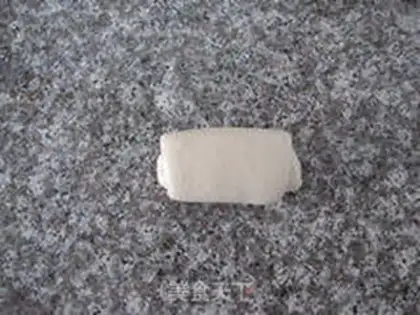
15
The rolls to the end, press gently, and the other two rolls in turn。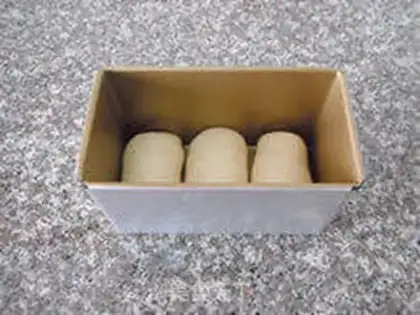
16
I'll put it in the toast box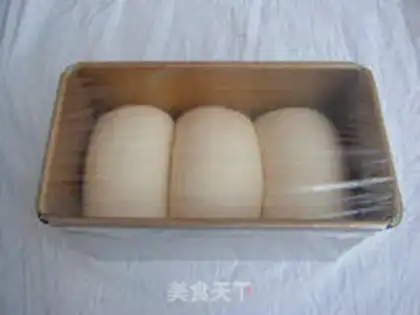
17
Covered with a skin film and placed in warm and wet areas for final fermentation until full eight。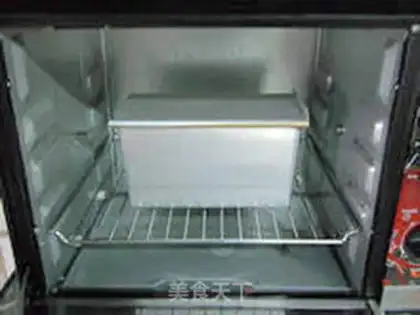
18
Put it in a preheated oven, 180 degrees, up and down, 45 minutes or so (as appropriate, depending on home-based oven habits). The baked bread was immediately re-stamped on the grilled web, and the remaining temperature (like the temperature of the hand) was filled with a sacrificial box or a safety bag, the 2nd day slice。