Garlic shrimp
By VicentaLakin

October was a season of maturity, where the crabs were fat, and the shrimps were marketed in large quantities, cheap and yellow. Shrimp is rich in magnesium, which is an important regulating factor for heart activity and a good protection of the cardiovascular system. It reduces cholesterol levels in blood, prevents the sclerosis of the artery and also expands the coronary artery to prevent hypertension and myocardial infarction; scientists at the University of Osaka, Japan, are said to have recently found that shrimp cyanide in shrimp contributes to the elimination of “temporal differences” due to time differential reactions。
Recipe Recommendations
Steps for Garlic shrimp
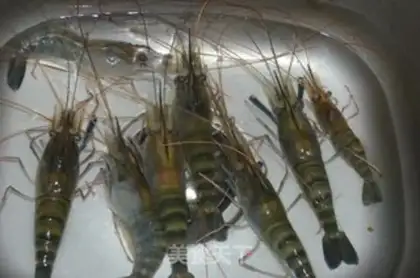
1
Put the shrimp in the sink and wash it several times。
2
Shrimps will be cut off, shrimp legs will be cut clean; shrimps will be cut back and out of the sand; this one is hard for shrimp shells, and I'll cut half the shells on the cheeks for the taste。
3
Put a proper amount of oil and heat in the pot and add ginger。
4
Put the shrimp on both sides and fire it red。
5
I'm gonna put it in the pastry and make it smell
6
In addition, salt, soy sauce, raw smoke, sugar, wine and wine are poured into the pot to make a sauce. Scrambled for a moment, evenly on the top, with half a bowl of water, covered with a four-to-five-minute cap and a small amount of starch for juice。
7
This is the final productGarlic shrimp Make Tips
1. Prawn shells are hard and need to be cooked a little more to taste;
2. Shrimp contains relatively rich nutrients such as protein and calcium. If you eat them with fruits containing tannic acid, such as grapes, pomegranate, hawthorn, persimmon, etc., it will not only reduce the nutritional value of the protein, but also combine with tannic acid and calcium ions to form an insoluble conjugate that stimulates the stomach, causing discomfort, and symptoms such as vomiting, dizziness, nausea and abdominal pain and diarrhea. Seafood and these fruits should be eaten at least 2 hours apart.
2. Shrimp contains relatively rich nutrients such as protein and calcium. If you eat them with fruits containing tannic acid, such as grapes, pomegranate, hawthorn, persimmon, etc., it will not only reduce the nutritional value of the protein, but also combine with tannic acid and calcium ions to form an insoluble conjugate that stimulates the stomach, causing discomfort, and symptoms such as vomiting, dizziness, nausea and abdominal pain and diarrhea. Seafood and these fruits should be eaten at least 2 hours apart.