Hokkaido toast
By VicentaLakin
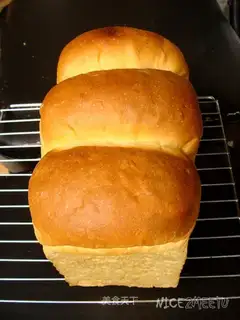
The day before yesterday, at 3 a.m., the noodles were sent into the freezer and fermented, and 18 hours later, it was another night, and three days were spent on this toast. It's bad, it's bad. Don't get bad math in the next life. Usually, bread is rarely made entirely according to the formula, because much of the household's raw materials are left in the east and in the west, and in order to run out of them, I tend to add or subtract something. Breads are not as cheesy as cakes, the raw materials are slightly altered, the temperature changes slightly, and they don't seem to affect it much. So I still believe that bread is very tolerant to people. But it also has a relatively harsh side, namely, the state of the noodles — the fact that unfilmable bread is not good bread, and the time of fermentation — the fact that it can't be fermented. During the previous period, a Hokkaido kit had been made, but the formula had in fact been transformed into a completely different formulation. So this weekend we're trying to get a Hokkaido toast that's fully fermented and fermented, and we're trying to be precise at every step. The Chinese method was used this time, and 100 per cent of the Chinese are called the French Hokkaido because all the flour is in the Chinese noodle and the main noodle is not in the flour. The noodles are very wet and sticky and very soft, full of fresh cream. I don't know if I'm right. Usually the more the noodles sticky, the more the bread is made, the softer it is. However, such a mask would require great patience in its plasticization, as well as minimal use of hand powder. This toast doesn't have eggnog. It's a very nice plain. And because of the size of the dough, the mushroom head was rising. This kind of bread is a bit torn up, and it's cut in a regular way, and on Monday morning it's fried an egg, added bacon, caught in the middle of two pieces of toast, is an energy breakfast。
Recipe Recommendations
- Chinese species: High-gluten flour 600 grams
- white granulated sugar 18 grams
- yeast powder 3.2 grams
- milk 192 grams
- light cream 168 grams
- protein 42 grams
- butter 12 grams
- Main dough: egg white 48 grams
- salt 7.2 grams
- milk powder 36 grams
- milk fragrance
- roast
- several days
- simple
Steps for Hokkaido toast
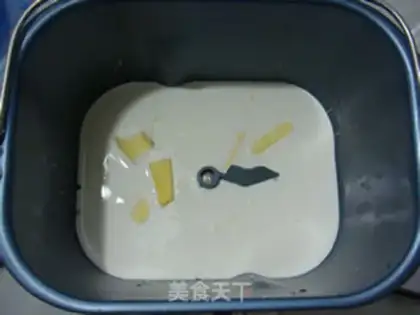
1
Liquid materials of Chinese type, plus butter, to be added to the bakery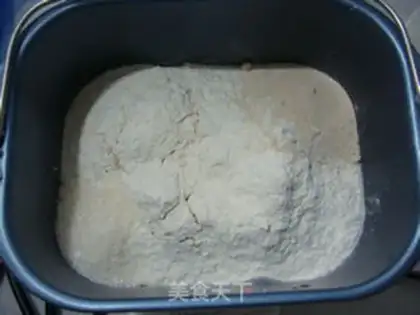
2
The Chinese powder materials are also included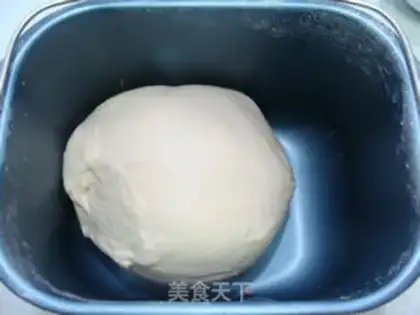
3
(a) Scratch the noodles to a smooth state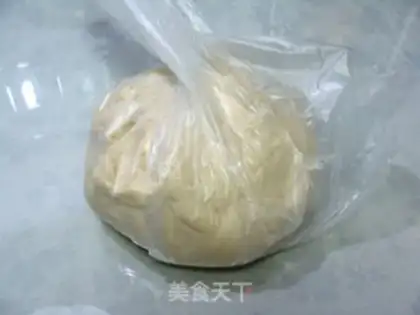
4
(b) Loading of the noodles in a conservatory bag, into a refrigerator with a temperature of 5°C and freezing of fermentation for about 18 hours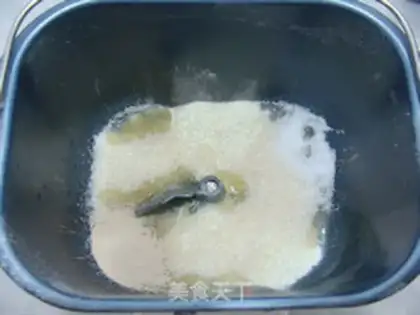
5
(b) To place all materials other than butter in the main lasagna in a bakery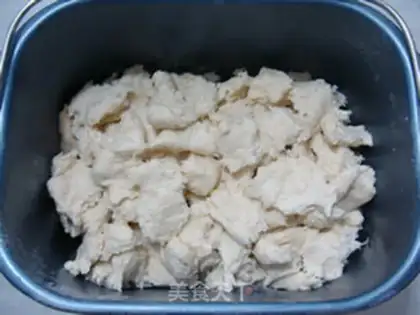
6
Take out the pasta after the freezer and tear it into small pieces and put it in a baker. (Every time you break the Chinese noodle, you will remember the lamb poaching that you ate in Xi'an7
After a while, the noodles became thin, don't be afraid, keep rubbing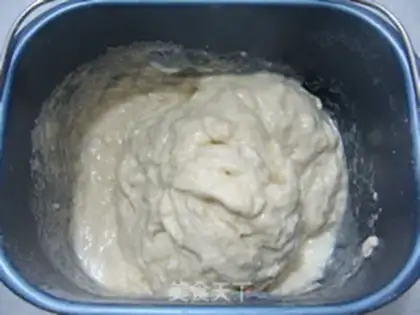
8
After a while, the noodles became thin, don't be afraid, keep rubbing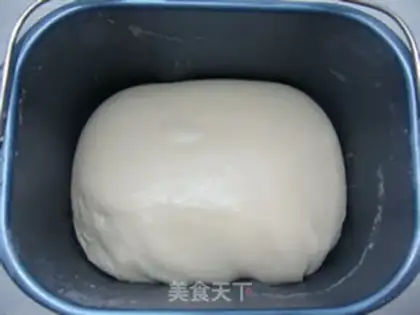
9
It's all very smooth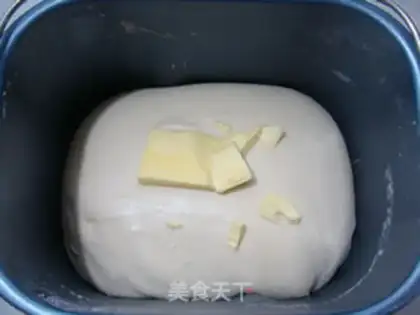
10
Add butter to continue rubbing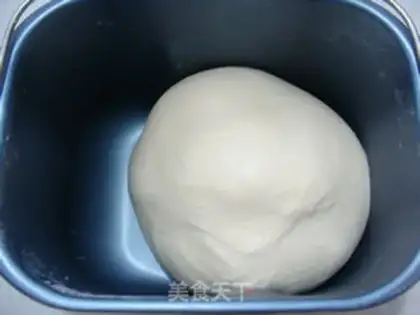
11
The oil is completely absorbed by the noodles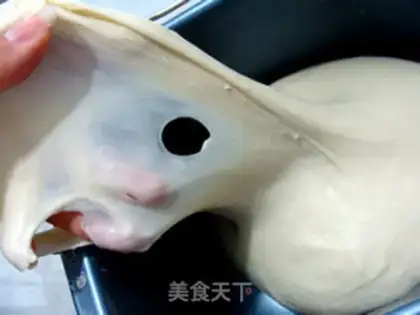
12
The face can pull out a large sheet of thin film, stick a hole in the finger, and the edge of the hole is smooth, and the face is covered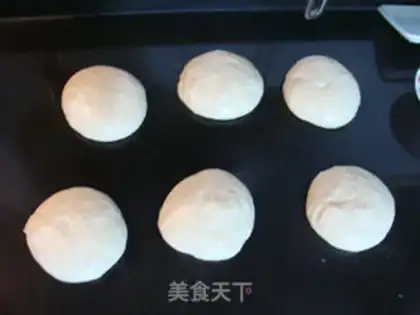
13
(a) Remove the noodles and divide them into six groups equal in size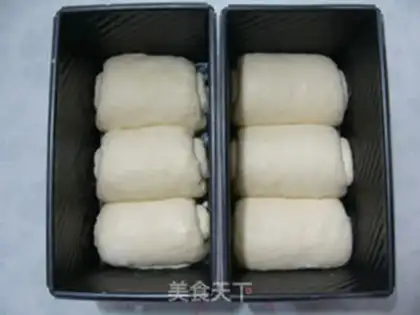
14
(b) Intracting the shape into the toast module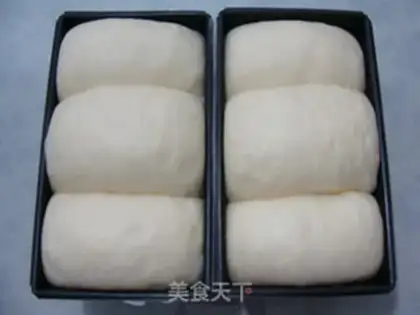
15
End of fermentation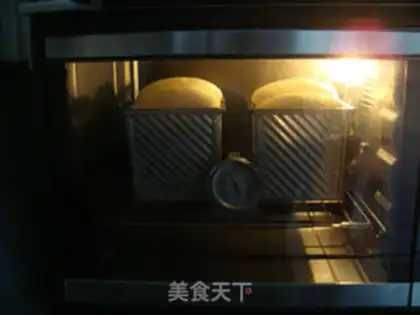
16
(b) Lower oven, 180°C, 40 minutes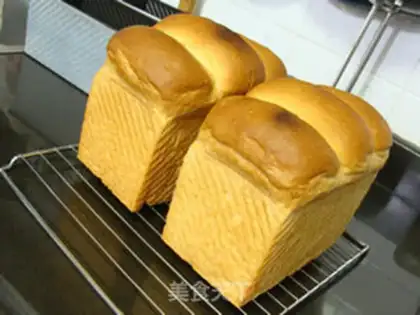
17
Demolition cool, done。