Bean cleaver chops
By VicentaLakin

In fact, soy milk can replace water in a wide variety of foods, which is more delicious because of its fragrance and fineness. My bun is soy milk and soybean slag instead of water. It's evaporated in the simplest way, and it smells sour。
Recipe Recommendations
- flour appropriate amount
- soybean milk appropriate amount
- yeast appropriate amount
Steps for Bean cleaver chops
1
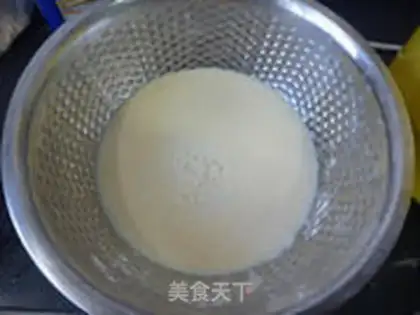
One, the soybean, put the soybean slag in the basin, put it in the soybean soybean soy sauce, and then you can drink it directly, and then we'll have a slightly thick slag down there。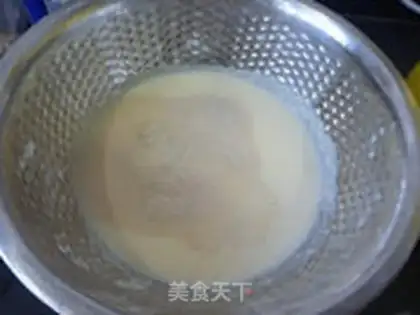
2
2. Add yeast to the cooled soybean soybean soluble。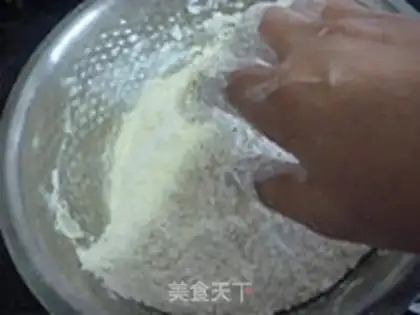
3
3. If there is a kitchen claim, the weight of the soybean is stated, with twice the weight of flour, hand and pasta。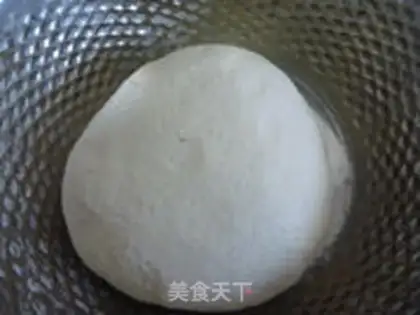
4
4. In a basin or on a board, the tatter of the tatters is smooth to the surface. Put it in warm places to ferment。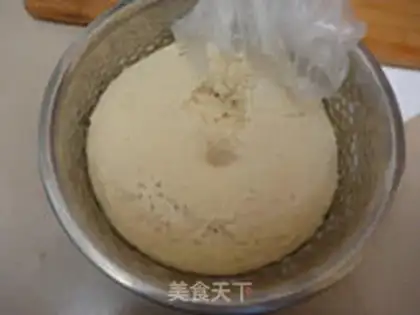
5
When the noodles are twice as high as the original ones, they can start steaming。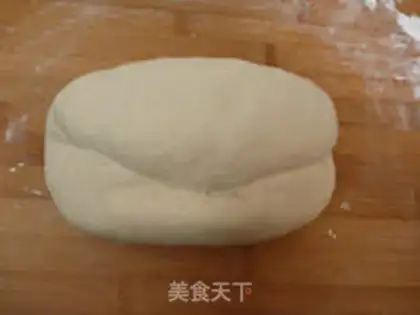
6
6. Take out the fermented noodles and rub them on the board。
7
7. The noodles grow stripes。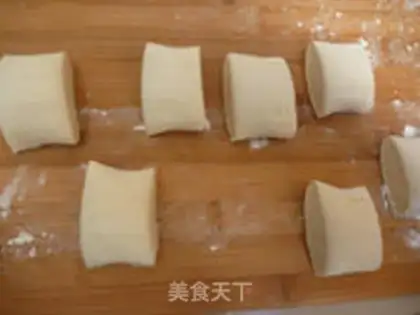
8
8. Cut to the right size。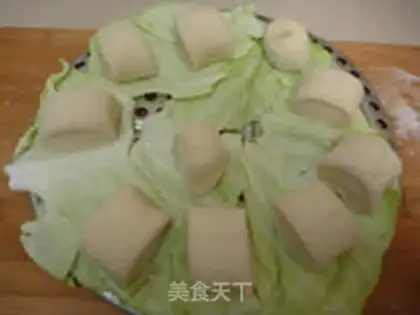
9
9. Cages are painted with oil or green leaves, which are then plasticized and then placed in the cage. Turning the water off the fire, putting it on the buns for 15 to 20 minutes and fermenting them twice。
10
When the fermentation is completed, the fire evaporates for 15 to 20 minutes, and after the fire is shut down for three minutes, the boiler is ready。Bean cleaver chops Make Tips
1. If you have a bread machine at home, it is more convenient to use it for proofing.
2. If not, place the kneaded dough in a warm place and observe the fermentation process.
3. When proofing, the dough must be kneaded until smooth.
4. When making knife-cut steamed buns, the dough must also be kneaded until smooth before the second proofing.
5. The second proofing is crucial, as it ensures the steamed buns are soft and fluffy.