Pasta
By VicentaLakin
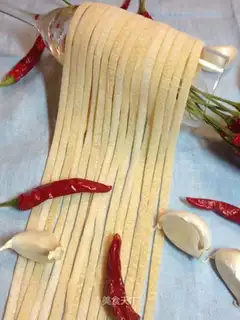
There are many kinds of fresh pasta, and pasta, though not very good, often makes pasta. And here's another one of my "Handy-Handy-Handy-Golden" series。
Recipe Recommendations
- high-gluten flour
- eggs of 5
- olive oil appropriate amount
- coarse salt
- corn starch appropriate amount
Steps for Pasta
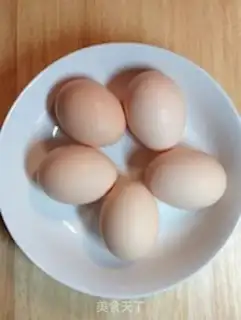
1
Eggs five。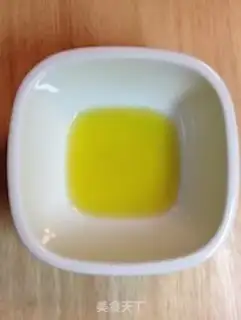
2
Olive oil > 10 grams。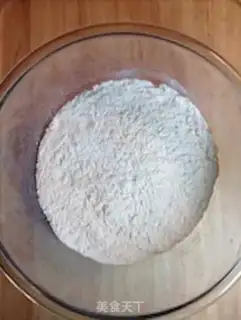
3
High-banded flour. 500 grams。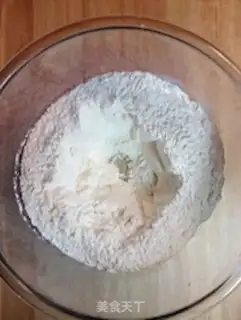
4
There's a hole in the bowl of flour。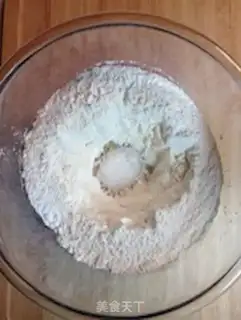
5
Add crude salt > 7.5 grams。
6
Pour in olive oil。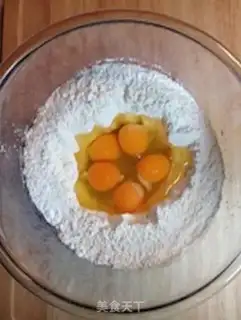
7
Bite the eggs。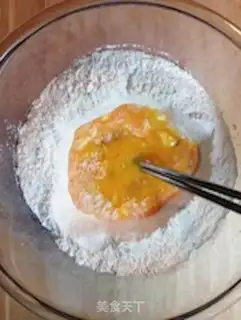
8
Use chopsticks to mix. (As long as they can mix
9
The chopsticks begin to mix gently from the eggs in the centre, and then the clock goes backwards and turns the flour from the inside to the small noodles。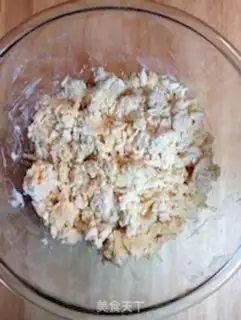
10
Made small noodles。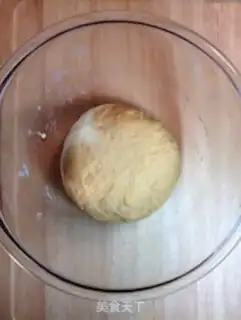
11
When the left hand is used to hold the container, the face is held gently by the right hand's finger, the palm of the hand is held against the face, and the continuous movement becomes the face. When they become noodles, they are suppressed by the hands of their right hand, and they continue to move through the clock of 45 to 90 degrees (hours between 7.8 and 15 minutes)。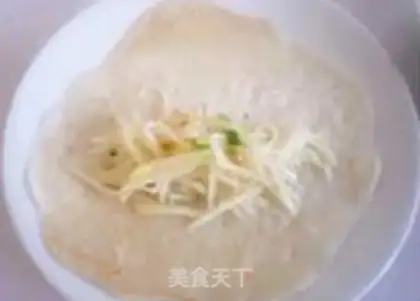
12
Use membranes or pan caps. (The size of the pan cap is based on the larger size of the container, which is mainly capable of sealing。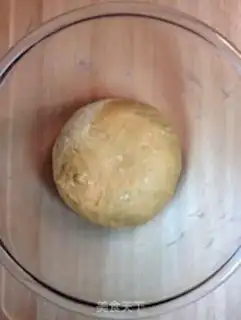
13
The noodles wake up 90 minutes later。
14
The noodles are divided into three equals, covering 30 to 60 minutes of abrasive film awakening。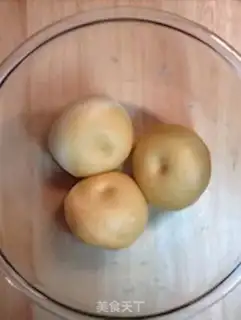
15
When you wake up, take out the noodles, and the rest of them will be covered with additional membranes. (Direct face)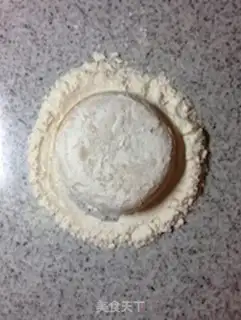
16
Prepare to rub the panels, pour the condensed flour (for powdering) and flatten the flour in the middle of the flour, so that it will be covered with powder on both sides。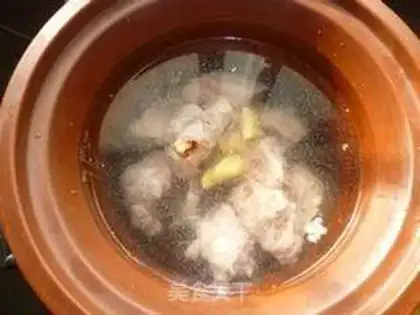
17
Spoiled noodles, in the middle of the panel。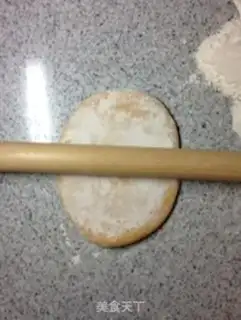
18
The stick was placed above the noodles, with both hands on the sides of the stick, and moved back and forth。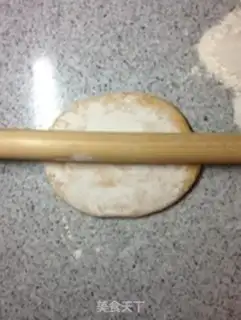
19
The panel flips backwards and turns in the direction of the clock (90 degrees to the right and 15 minutes to the clock) or reverse in the direction of the clock (90 degrees to the left and 45 minutes to the left)。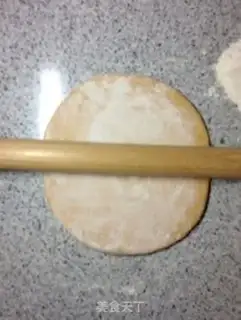
20
Spray the powder, and the stick moves back and forth。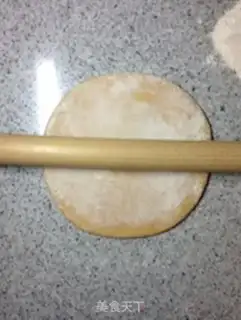
21
The panel flips backwards and turns in the direction of the clock (90 degrees to the right and 15 minutes to the clock) or reverse in the direction of the clock (90 degrees to the left and 45 minutes to the left)。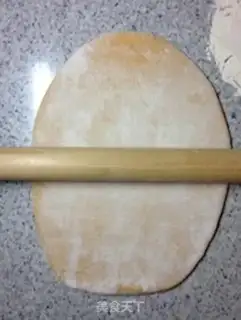
22
Spray the powder, and the stick moves back and forth。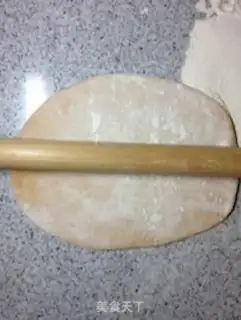
23
The panel flips backwards and turns in the direction of the clock (90 degrees to the right and 15 minutes to the clock) or reverse in the direction of the clock (90 degrees to the left and 45 minutes to the left)。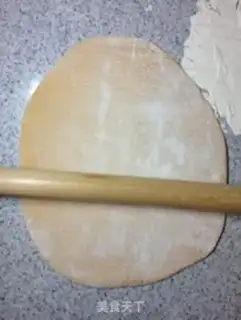
24
Spray the powder, and the stick moves back and forth。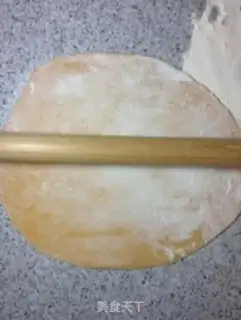
25
The panel flips backwards and turns in the direction of the clock (90 degrees to the right and 15 minutes to the clock) or reverse in the direction of the clock (90 degrees to the left and 45 minutes to the left)。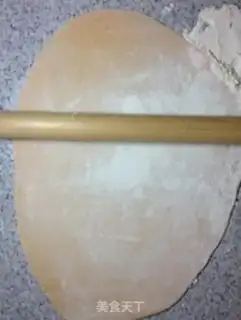
26
Spray the powder, and the stick moves back and forth。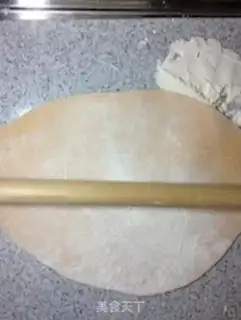
27
The panel flips backwards and turns in the direction of the clock (90 degrees to the right and 15 minutes to the clock) or reverse in the direction of the clock (90 degrees to the left and 45 minutes to the left)。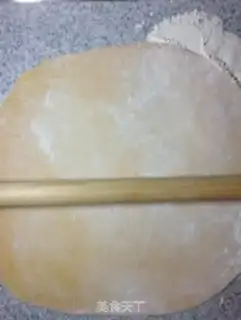
28
Spray the powder, and the stick moves back and forth。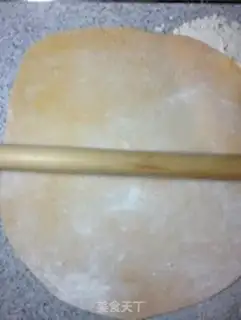
29
The panel flips backwards and turns in the direction of the clock (90 degrees to the right and 15 minutes to the clock) or reverse in the direction of the clock (90 degrees to the left and 45 minutes to the left)。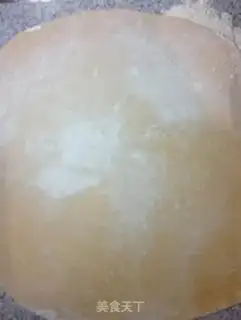
30
Spray the top powder, move the stick back and forth, and flatten the thin panel。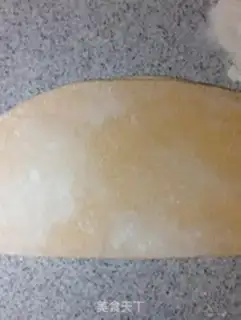
31
The panels overlap from the centre. (One half of the panels overlap.)。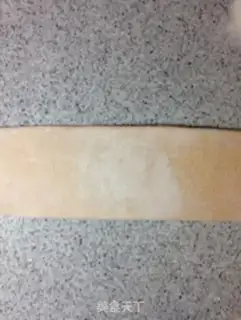
32
It overlaps from centre to centre. (One quarter of the panel overlaps.)。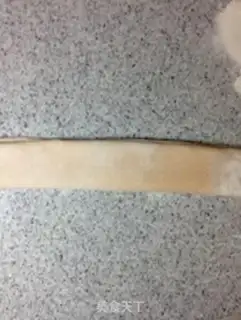
33
Finally, the panel overlaps from the centre. (One sixth of the panel overlaps.)。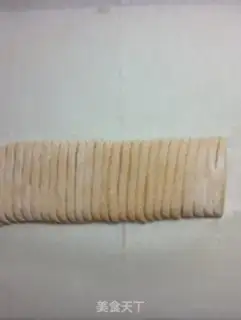
34
It's a spare tablet, with a paper towel to adjust, a overlapping panel over it, cut into noodles with a kitchen knife。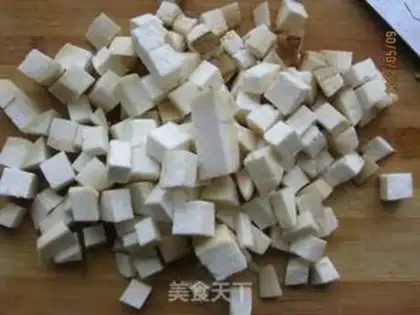
35
Cut separate noodles and divide them into one. (120 grams per person)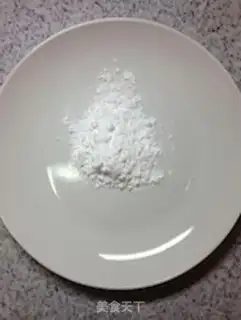
36
Backup plate, pour in corn starch。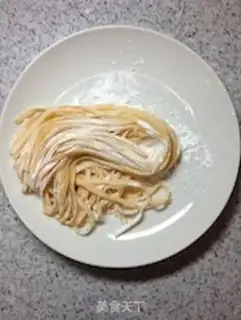
37
Noodles with corn starch。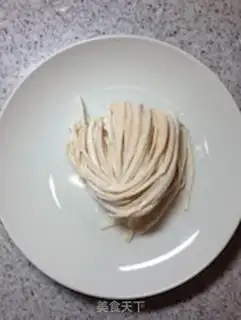
38
Slap the noodles gently with your hand, and the extra corn starch will fall。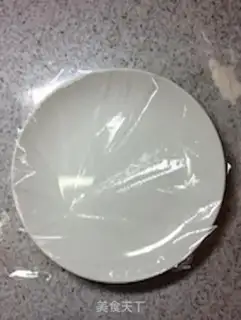
39
Back up the film。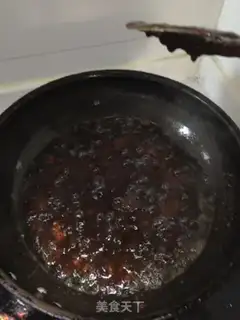
40
The extra noodles are folded over the membrane。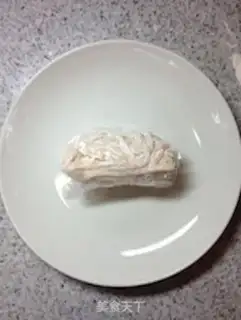
41
Pack it up and put it in the freezer。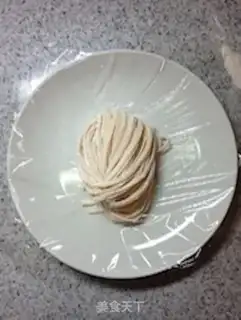
42
The extra noodles are folded over the membrane。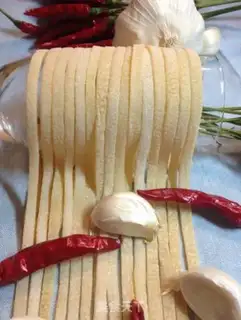
43
The finished map。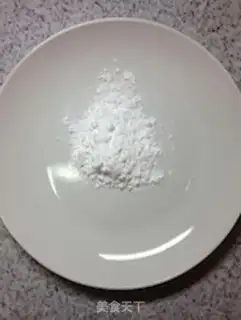
44
Get the plates ready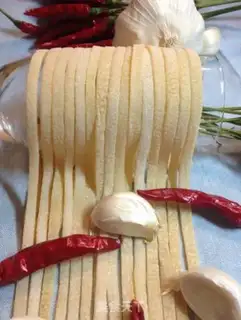
45
The finished map。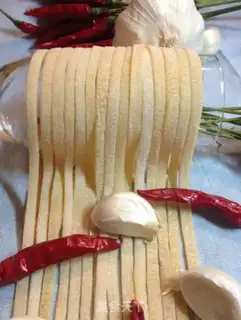
46
Product Map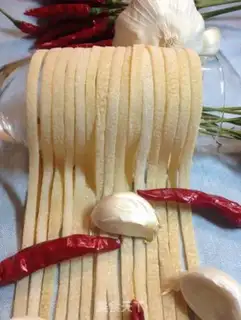
47
Product Map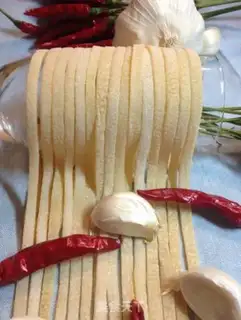
48
Product Map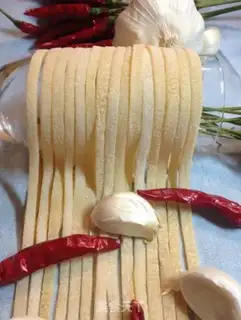
49
Product Map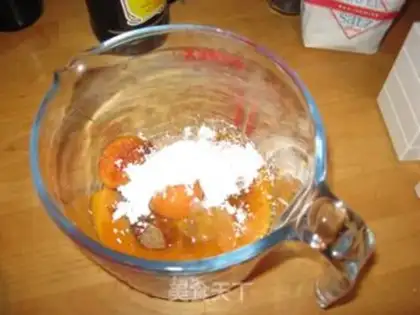
50
The finished map。The finished chart。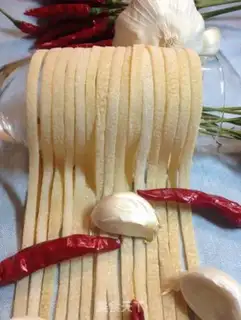
51
The finished map。The finished chart。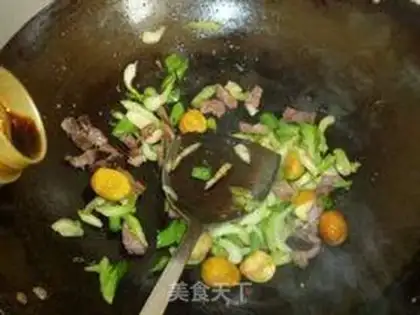
52
The finished map。The finished chart。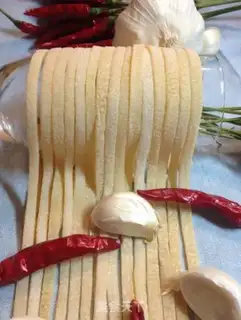
53
The finished map。The finished chart。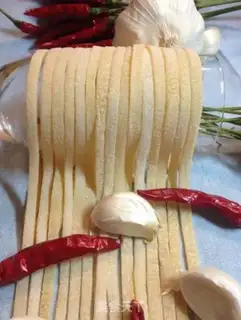
54
The finished map。The finished chart。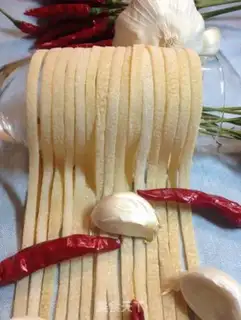
55
The finished chart。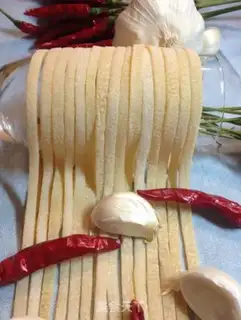
56
The finished chart。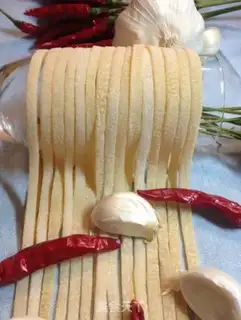
57
The finished chart。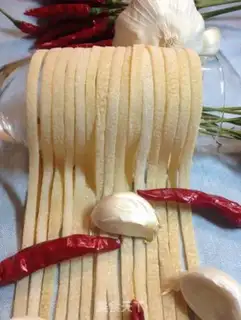
58
The finished chart。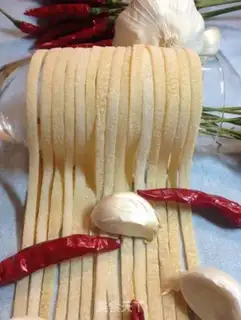
59
The finished chart。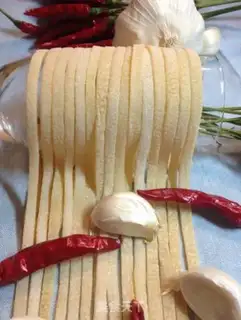
60
The finished chart。Pasta Make Tips
Closing Notes:
1: If you don't have bread flour, all-purpose flour works fine.
2: One egg is approximately 60 to 65 grams (Size L).
3: Regular salt can be used for step (5).
4: You can skip the olive oil in step (6); adding olive oil gives a better texture, but the downside is that it dries out very easily. Once made, if left at room temperature and not used quickly, it will dry out and break.
5: If the prepared noodles are not used immediately, they can be wrapped in plastic wrap and stored in the freezer.
6: For beginners, it is recommended to start with 100g of flour, 1g of salt, 2g of olive oil, and one large (L) egg. (Italian pasta has a chewiness that is completely different from Chinese egg noodles.)
7: The dough should be rolled out thinner for a better texture. (Thickness should be about 0.1–0.2 cm).
8: Room temperature differs between summer and winter; in summer, the dough resting time should be slightly shorter. (Room temperatures vary by household; the method provided here is applicable throughout the year.)