Sichuan pickles
By VicentaLakin
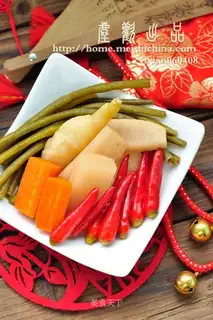
Sichuan pickles are sour, smelly, bright, fragrance, fragrance, acupuncture, acupuncture, ablaze, suitable for four seasons a year, but they are produced in a climate that is so delicate that they are often prepared to live in their homes, and are a kind of dish known to Sichuan families. Features: Diverse colours, salty mouths, a little sweet. Pickles have the taste of regulation and the special effect of sobering up. Sichuan pickles are easy to store and to eat, and can be both directly fed and supported. Such as pickled fish, sour chickens, soybean broccoli soup, and fish-fruit ginger and chili, which are necessary for fish fragrance, all add to the taste of the food。
Recipe Recommendations
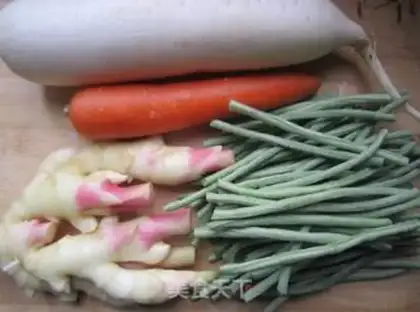
- white radish appropriate amount
- carrots appropriate amount
- beans appropriate amount
- tender ginger appropriate amount
- liquor appropriate amount
- pepper appropriate amount
- octagonal appropriate amount
- salt appropriate amount
- slightly spicy
- pickled
- several days
- simple
Steps for Sichuan pickles
1
Raw material。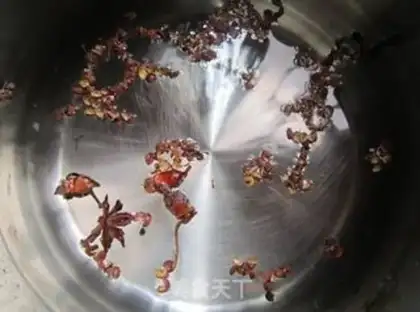
2
The pot is filled with cold water of appropriate quantities, 20-30 peppers and two eight horns。
3
When boiled, it cooled。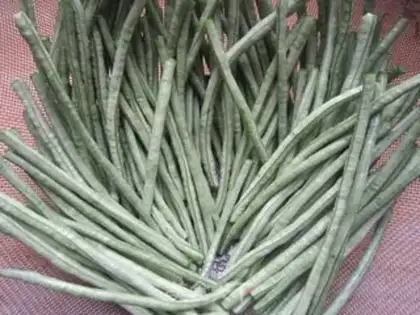
4
Bean horns wash, grow, dry surface moisture。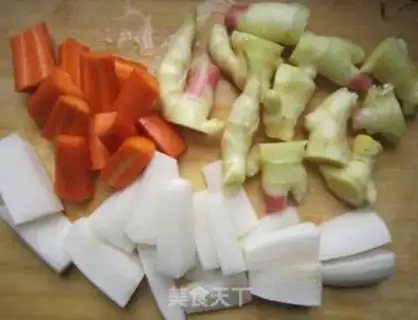
5
Other materials are cut into strips or blocks and dry the surface moisture。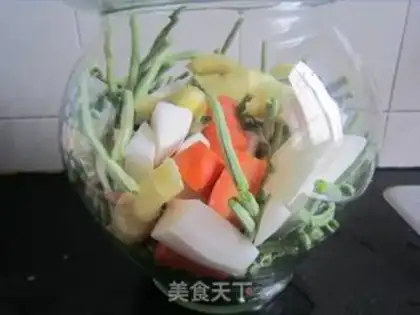
6
Hotted with open water, dryed (never raw water) and dried vegetables added to the altar。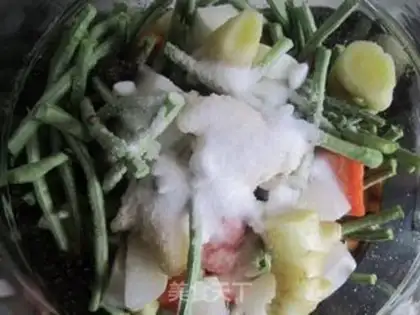
7
It's a little more salt than usual, but it's just salty。
8
The height of a bottle of white wine。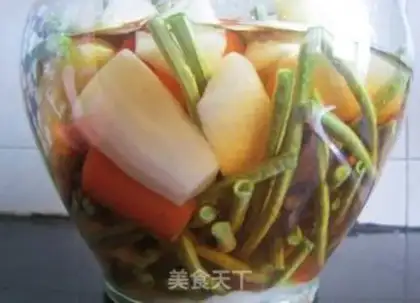
9
Add white wine for 50 grams。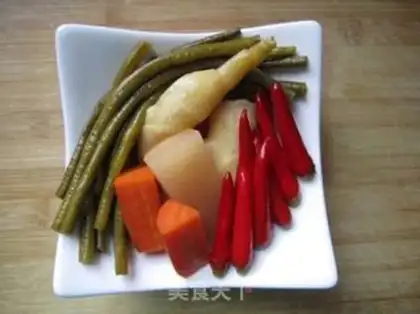
10
After 2-3 days, care is taken to see whether there is a small bubble formation, which, if there is a bubble, means that the fermentation is normal and can be eaten for a few days after the vegetable changes. If the vegetables in the altar are eaten, you can add food