Baking buns
By VicentaLakin
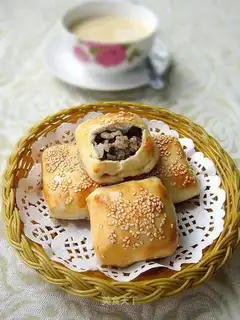
Baking buns (known as “salmsa”) and skin buns (known as “Petermansta”) are foods preferred by Uighur compatriots. Every morning a bowl of milk tea and two baked buns were their nutritious breakfast. The Han people do the same, except to go to a bun store for their fellow Wei, where they pack “two buns”, as they often say. If you say I want lamb buns, it must be a stranger who doesn't know the customs of Xinjiang, which is made of lamb. The simplest approach is fresh lamb, which must be half of the goat's leg and half of the goat's oil, so that the onion (the skin teeth of the Xinjiang people) eats a special flavor, and the onion must be white, and it must be cut, so that the lamb must be cut. Such a little ding, a roasted bun bites it, it's fresh, it's oily, it's shiny. This is the characteristic of Xinjiang's cuisine, “oily” (many outsiders say that Xinjiang food is too greasy, but it is related to Xinjiang's geography and climate. It's not the dry-ass type. The buns like that eat up the cocoon. The taste of Xinjiang's lamb, with no more sauce, with pepper powder and tweak powder, is not Xinjiang's taste. And the shape of the bun has been a shape since ancient times, and that's square. The real buns are baked from the pits, and now there's ovens that you can make at home, but the only thing that's different is the ovens that are baked, and the taste is different, and the pits are baked from the fragrance, the natural smell. It doesn't taste like that. I used to bake it from my home in an oven and brush it with egg fluid, but the real roasted bun in a pit does not brush egg fluid, so it's for the good, and it's for the good, and it's not for the taste of a pit. So many special foods in Xinjiang are impersonable unless you haven't eaten the special foods of Xinjiang, and the ones that are lost. Both types of food are purchased in restaurants, food stands and alleys in towns and villages in Xinjiang, such as the Beijing meatloaf and Tinjin dogs, which are popular with customers. It's funny, when a thin-skin wraps steamed, or baked buns were taken from the pit, the cooks often raised their throats and shouted, "Ibra." Alexa wood buns. Alex Rawood was a famous cook hundreds of years ago. He made buns and buns. So the latter took his name as a sign for a customer。
Recipe Recommendations
- lamb shank 200
- sheeptail oil 200
- onion 300
- flour 500
- vegetable oil appropriate amount
- salt appropriate amount
- cumin powder appropriate amount
- pepper appropriate amount
- eggs appropriate amount
- white sesame appropriate amount
Steps for Baking buns
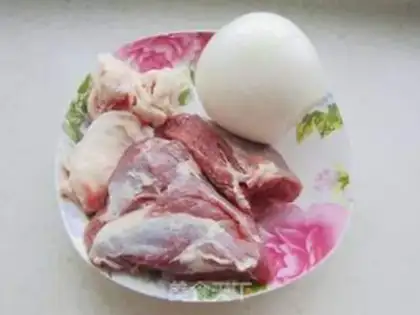
1
Food products: Flour 400 g of salted lamb leg 200 g of lamb tail oil 200 g white sesame white onion 300 g pepper powdered eggs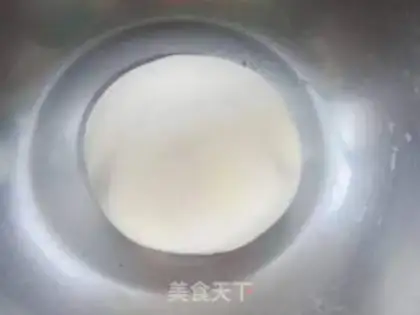
2
Flour pours into the pot, adding water on several occasions, mixing it with chopsticks, rubbing it with your hands into a smooth face, covering it up, and awakening for more than 20 minutes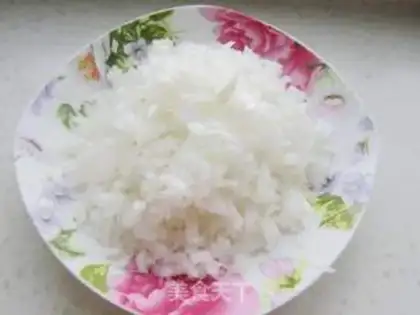
3
Onion cut Tin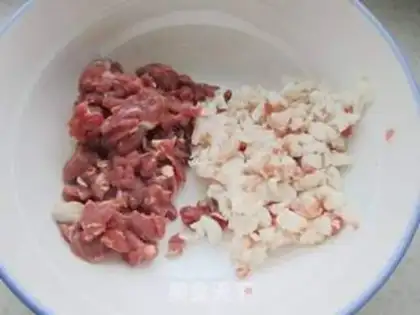
4
The lamb's leg cut Tiny, the lamb's oil cuttin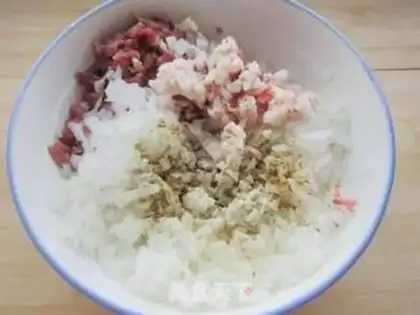
5
Put these little dings in the pot and put salt on the pepper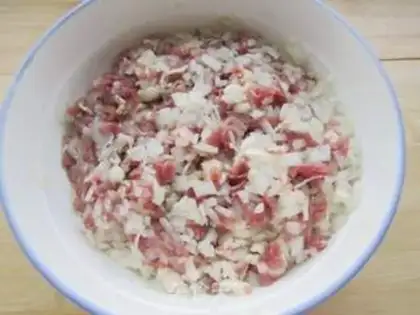
6
Pair it up. Pick it up for a while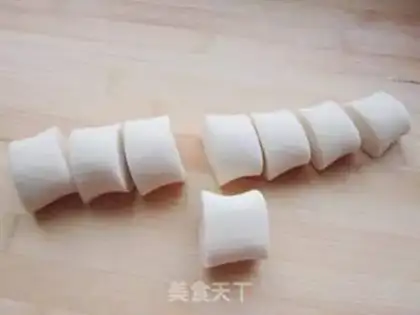
7
It's a small agent that divides the noodles into several parts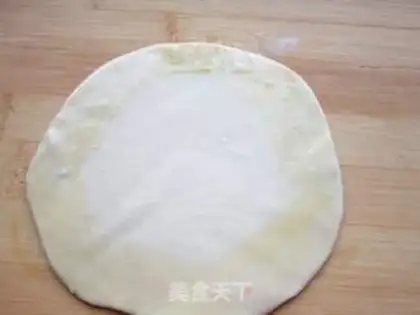
8
And when he flattens it, he pulls it open with a stick, and brushes it on the edge of the skin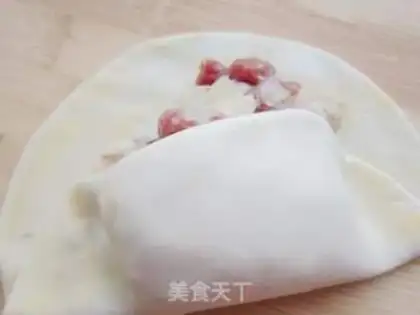
9
Turn one side first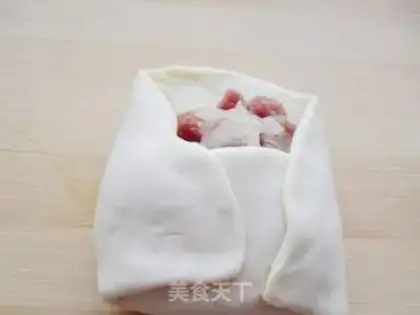
10
And it's like brushing each other's eggs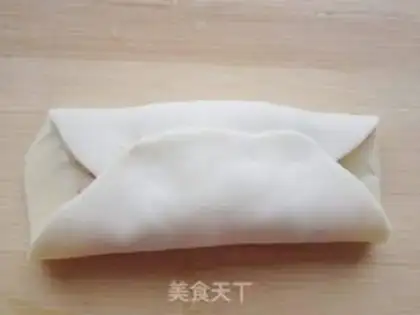
11
There's another kind of arrangement. It's a trade-off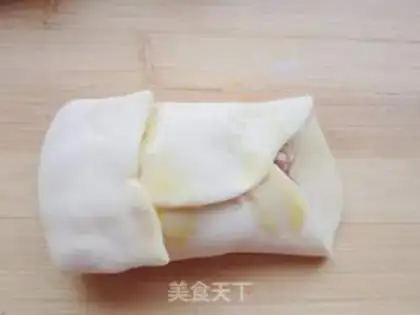
12
Brushing egg fluids on both sides, like "stacking covers."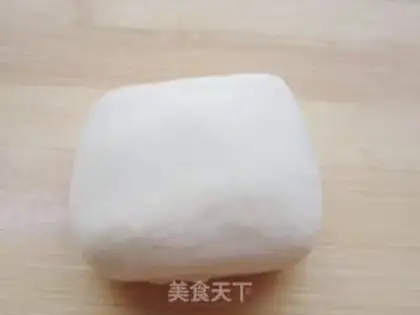
13
It's a square. A little bit longer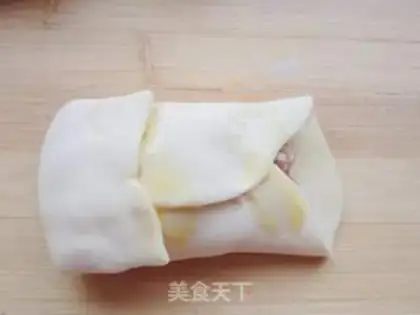
14
Spread white sesame. The water is easily dried。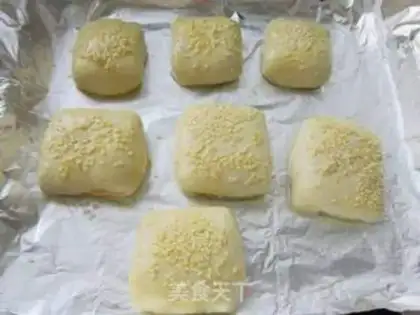
15
(b) Placing tin paper on the grill, brushing thin vegetative oil, with buns and egg fluid on the surface。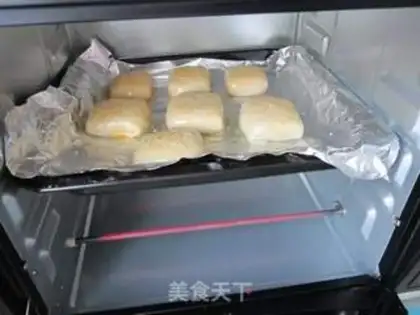
16
The oven's 220 degrees preheated, it's in the middle of the oven, it's about 15 minutes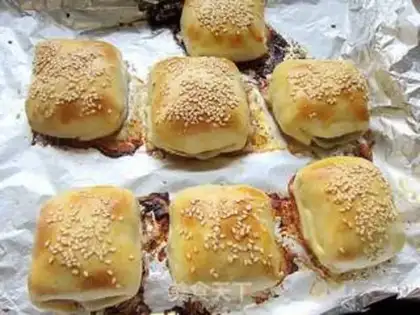
17
After roasting out of the oven, eat while it's hot。Baking buns Make Tips
The dough for Xinjiang baked buns is unleavened and requires no fermentation, so the wrappers need to be rolled out thin; otherwise, they become too hard to eat and have a poor texture. Fresh mutton must be used for the buns, preferably leg meat with an even balance of fat and lean. Meat that is too lean is not suitable for the filling as the texture will be too dry, so it generally requires a half-and-half ratio of fat to lean meat.