Twisted pork is a traditional dish for cooking pork in Sichuan cuisine in China. It is also called boiled pork in western Sichuan and can be made by every household in Sichuan. Two-cooked pork is characterized by its unique taste, bright red color, fat but not greasy. The so-called returning to the pot means cooking again. As a traditional Sichuan cuisine, twice-cooked pork plays a very important role in Sichuan cuisine. Twice-cooked pork is often used as the first choice for Sichuan cuisine examinations. Twice cooked pork has always been regarded as the first and embodiment of Sichuan cuisine. When mentioning Sichuan cuisine, twice cooked pork must be thought of.
When making twice-cooked pork, I usually use pork belly cooked. I use cooked bacon and add a lot of red wine instead of cooking wine. The taste is awesome. Hahaha...
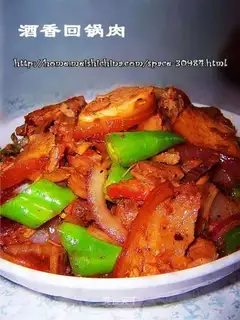
Twice-cooked pork with wine aroma
Recipe Recommendations
- slightly spicy
- fried
- ten minutes
- ordinary
Steps for Twice-cooked pork with wine aroma
1
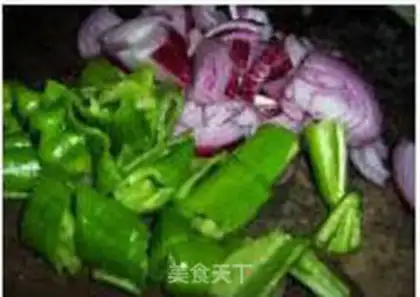
Cut onion and pepper into slices.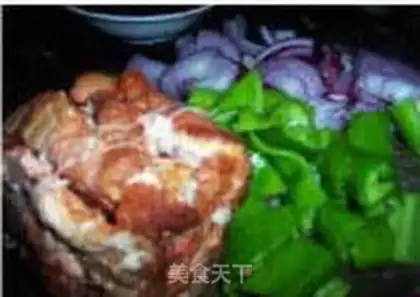
2
Slice bacon.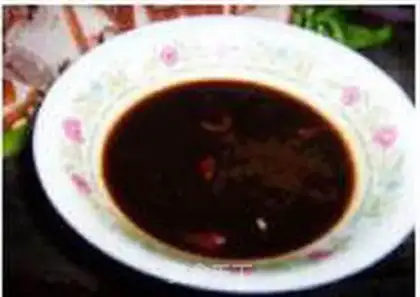
3
Take a bowl, add soy sauce, sugar and red wine, stir well and set aside.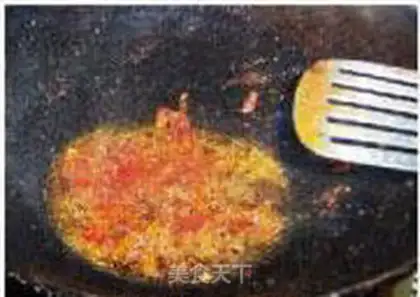
4
Put the oil in the pan. Add watercress in Pi County and stir-fry over high heat until the aroma overflows.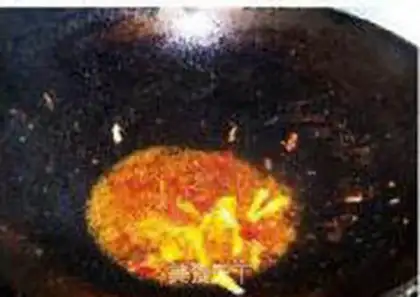
5
Add shredded ginger and stir fry.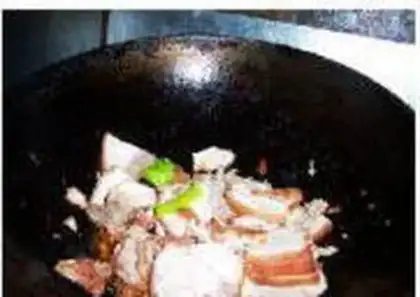
6
Add in the sliced meat slices and stir-fry until the fat becomes smaller and curled.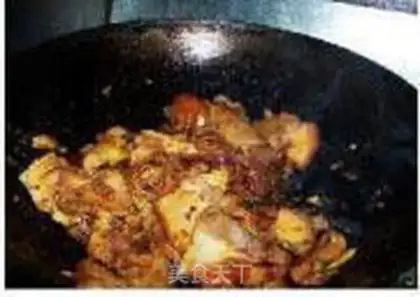
7
Pour in the bowl of juice and stir fry well.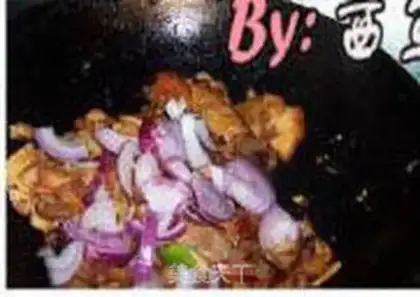
8
Add onions and stir-fry through.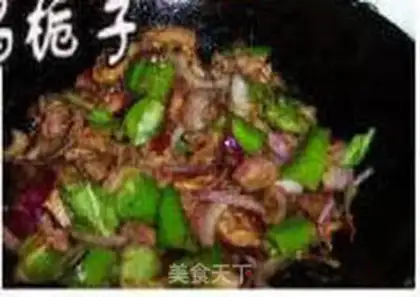
9
Finally add a little salt, add the pepper, stir fry for a while.Twice-cooked pork with wine aroma Make Tips
Pixian bean paste is salty by itself, so you don't need to add salt.