Panda bread
By VicentaLakin
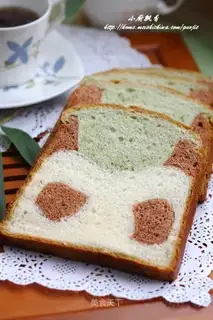
It's been more than a year since we've been baking. It's been a lot of fun. Especially for making bread, watching a piece of pasta turn into a fat, sprayy bread in my hand. That feeling, you know. I particularly enjoyed making bread with a toaster all the way, with no effort and no face, with no eye on the fermentation. All you have to do is pour all kinds of material into the bread drums, listen to the convulsions of the bread machine, watch the face of the dough spread into thin membranes that can be turned into gloves, touch the fermented, soft, fat face, make up any shape you like, smell the smell of the bread machine drying out, and watch the family taste that look. Oh, the greater the pressure, the more the trouble, the more the happiness is! Especially since this time, I've been particularly interested in trying to make bread that I've never done before, and even if it's a nice face, it's suddenly coming up with some strange inspiration, and it's changed the original idea and approach, turning the bread that I wanted to make into something unexpected. In fact, this panda bread was suddenly decided to do it after I had fermented the face, even the Chinese, and the family had always liked Hokkaido toast, while there was some light cream, which I would have wanted to do, but I didn't want to keep doing it like that, and I've been trying to make panda bread, so this panda bread was born
Recipe Recommendations
- Chinese dough: high-gluten flour 300 grams
- light cream 80 grams
- milk 100 grams
- white sugar 10 grams
- egg white 21 grams
- yeast powder 2 grams
- unsalted butter 6 grams
- Main dough: White sugar 40 grams
- milk powder 18 grams
- salt 3.6 grams
- cocoa powder 3 grams
- boiling water 9 grams
- matcha powder 7 grams
- sweetening
- baking
- several hours
- ordinary
Steps for Panda bread
1
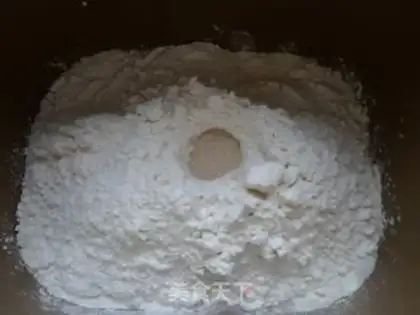
To pour all the liquid and sugar from the Chinese noodles into the bread drum. Pour high-banded flour. Pressing a nest in the middle of the flour, pouring into the fermentation powder, then fermenting it tight。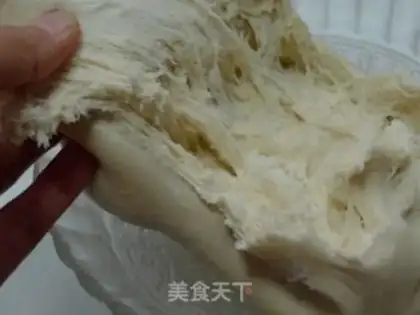
2
Start-up and face-to-face, mix-up, fermentation to theft (preferably put in a cooling room for 18-20 hours). fermented noodles。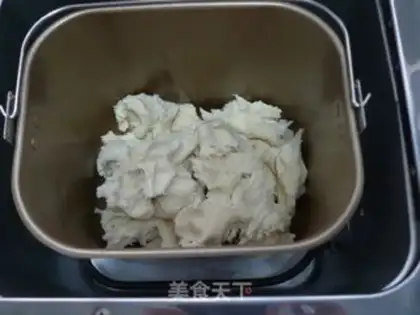
3
Torn the noodles into small pieces and poured them into the bread bucket. Add all materials except butter to the main Panel. But it is important to remember that salt and fermented powder are to be placed separately on both sides of the bread drum, otherwise the effect of the fermented powder will be compromised。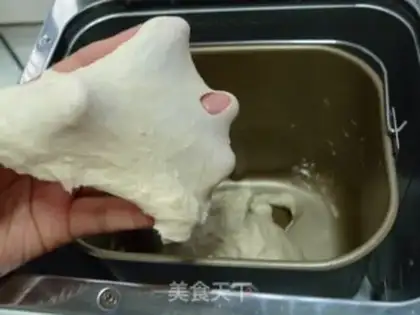
4
Start the bread machine and face program for 15 minutes. Turn on the toaster to see if it's ready。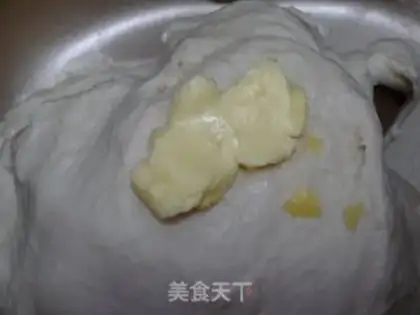
5
Add softened butter 6 grams。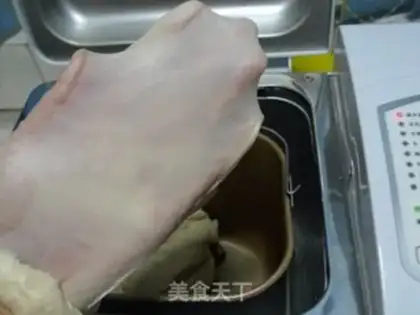
6
The start-up and face-to-face programme will continue for 15 minutes, plus a face-to-face programme of 5-10 minutes, until the face-to-face can reach the extension phase, i.e., the stretching (mittens) phase。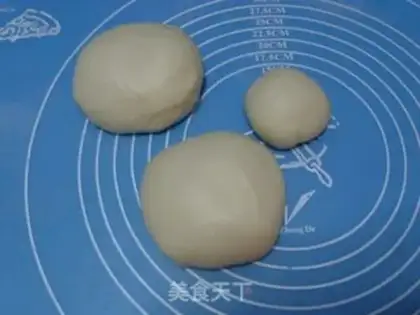
7
Split it into three groups: 90 g, 280 g, 235 g。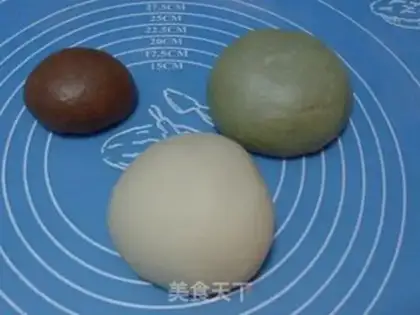
8
Powdering cocoa powder into a small amount of open water, mixing it into thick paste, drying it and joining it in the dough and making it into a cocoa paste. The tea powder will be added to a small amount of open water, mixed into thick paste, and then cooled into the noodles, which will be made into tea paste。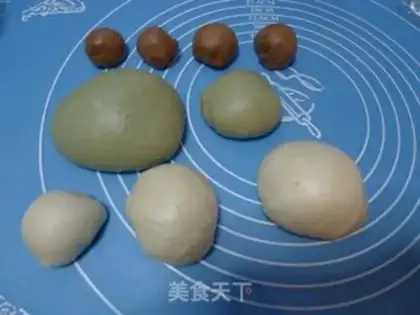
9
The cacao noodles were divided into two 20 grams and two 29 grams (one for panda glasses and one for ears). The tea noodles are divided into 75 grams and 215 grams (interhears and final parcels). The white noodles were divided into 86 g, 30 g, 120 g (panda face, eyes in the middle and covered face)。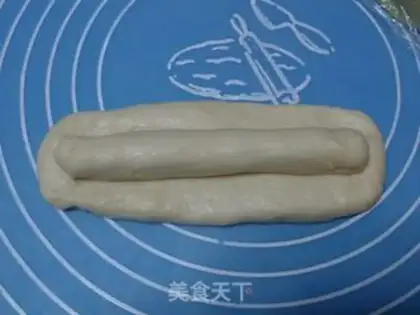
10
The white noodle is 86 grams above and 30 grams above。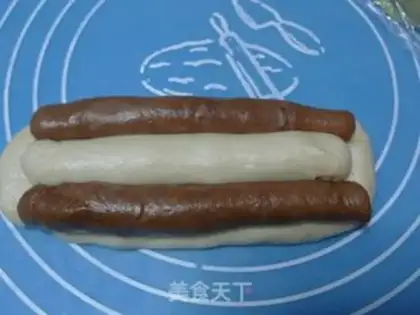
11
Coco noodles are 29 grams each。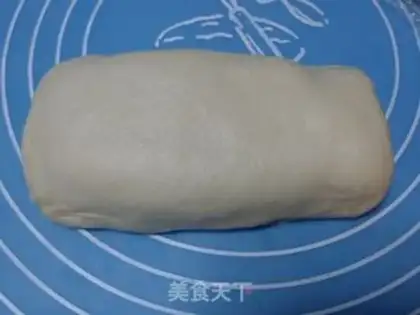
12
There's 120 grams of white noodles outside。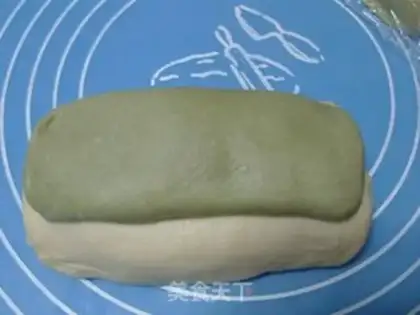
13
Put 75 grams of tea in the middle。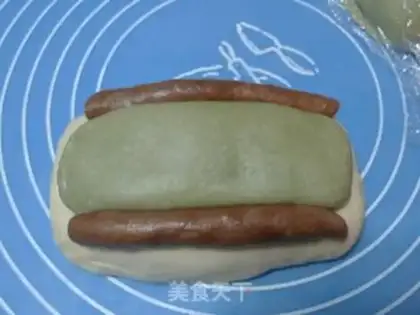
14
20 grams of cocoa noodles each。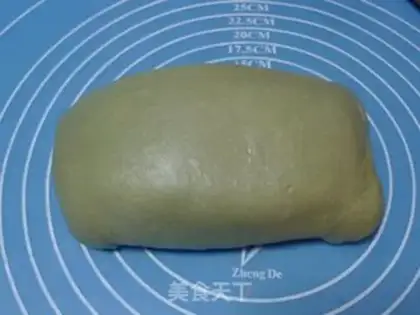
15
Finally, the tea host opened up and wrapped all the dough。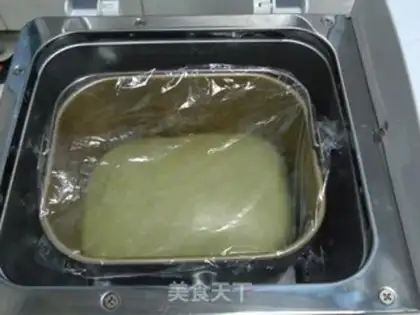
16
Put it in a bread bucket for a second fermentation, 60 minutes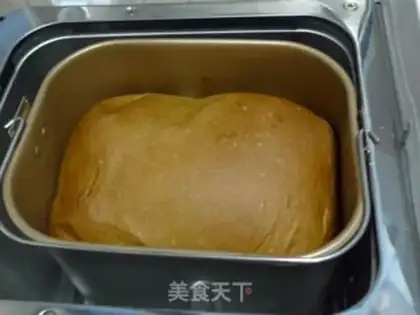
17
After fermentation, start baking keys, 30 minutes, medium colour。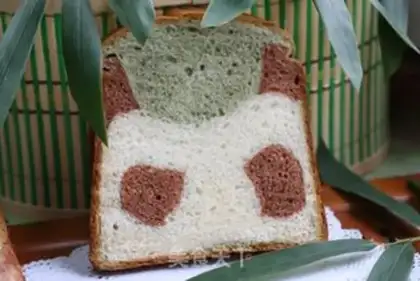
18
Time is up, the lids are opened, the insulated gloves are put on, the anti-clock needles are turned around the bread drums, and they are removed and cooled for 15 minutes. Bread can be given when it is put on a net. Slice, oh, ha, cute panda in front of you。Panda bread Make Tips
【Thoughts on Making Bread with a Bread Machine】(Purely personal opinions, experts are welcome to give valuable advice)
1. When making bread with a bread machine, the moisture level of the ingredients is very important. When making bread, you can start by putting in a little less milk, reserving about 10ml, and adjust it according to the water absorption of the flour and the humidity of the air (except for breads you make frequently).
2. When making bread with a bread machine, the gluten development of the dough is very important. After adding the butter, be sure to knead the dough until it can be stretched into a gluten film; this way, the texture of the bread will be better.
3. When making bread with a bread machine, the fermentation time is very important. The length of fermentation should be adjusted appropriately according to the season and temperature. In summer, you can skip the fermentation function and use room temperature; it also takes less time. In autumn and winter, you can set the timer a bit longer and observe closely. Fermentation time is generally controlled as follows: first fermentation 80-90 minutes, second fermentation 50-60 minutes. When fermenting, be sure to remember to cover it with plastic wrap, otherwise the fermented dough will have a layer of dry skin.
4. When making bread with a bread machine, proper shaping is very important. Sometimes, to save effort, I just pour all the ingredients into the bread pan and leave it at that, but the texture of the bread made that way is greatly compromised. I feel that even if you want to save effort, you must do some proper shaping of the dough; in that case, the crumb and mouthfeel will feel much better.
5. When making bread with a bread machine, the baking shade is very important. According to my observation, if making a basic bread without using the bread machine's fermentation function, you can choose "Medium" color. However, if you previously used the fermentation function, using Medium will result in a very dark color. If you particularly like a thick, deep color, you can also choose Medium or Dark. I see many friends wrap aluminum foil around the bread pan while baking, which is also a good method.