Baekya
By VicentaLakin
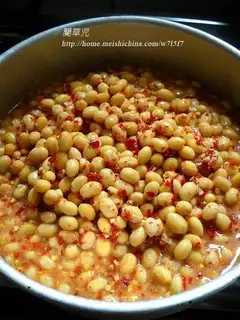
Ragchi beans are one of the traditional foods in the South. The traditional soybeans are made from the fermentation of naturally occurring microbes in sealed containers. With the effect of beneficial bacteria, it has been transformed into another form of food. The soybeans are fermented with pickles, the protein is decomposed, amino acid increases, and the flavor is unique and easier to digest and absorb. The evaporation of the beans made of the beans must be moderate and not too hard or bad. The temperature and timing of the pre-fermentation will vary depending on the temperature of the environment; the control time for post-fermentation is typically 10-20 days, so that the so-called larvae highlights its desired flavor. It's not just a good sauce, it's a delicious taste. Taste it, it's full of fragrance, and it's a big appetite
Recipe Recommendations
- dried soybeans 500 grams
- salt 50 grams
- ginger 100 grams
- chili powder 50 grams
- slightly spicy
- pickled
- several days
- simple
Steps for Baekya
1
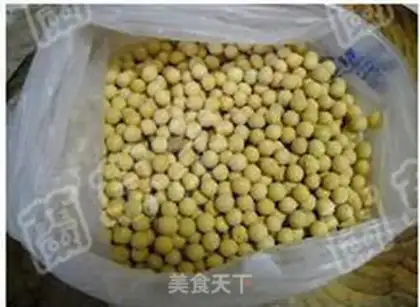
One, prepare 500 grams of dry beans。
2
2. Prepare chili chips, ginger and salt。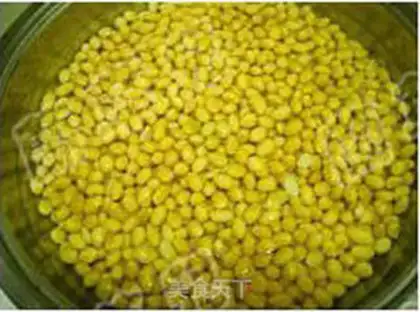
3
3 Soybeans bubble early。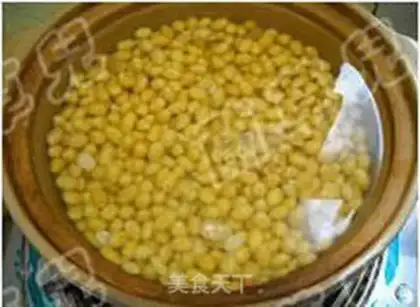
4
Four. Boiled soybeans。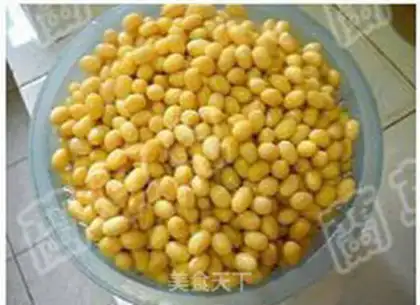
5
5. Boiled soybeans dry moisture and dry。
6
Placed in clean, waterless containers, static; first fermentation。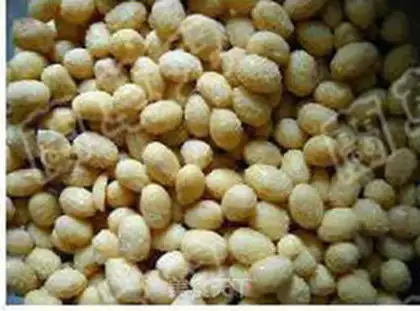
7
7 to soybeans salivated (from the face of the beans); first fermentation completed。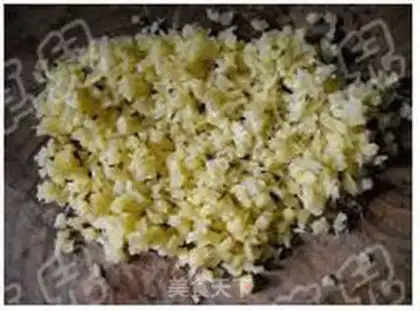
8
Ginger go skin, wash, cut the end。
9
Nine. Sliced ginger into beans。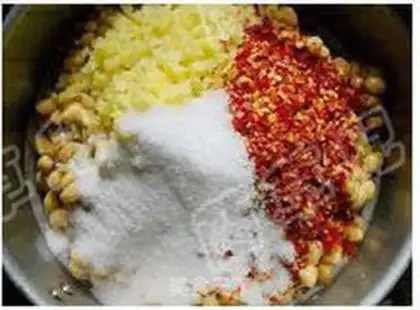
10
10. Add salt, pepper chips, ginger。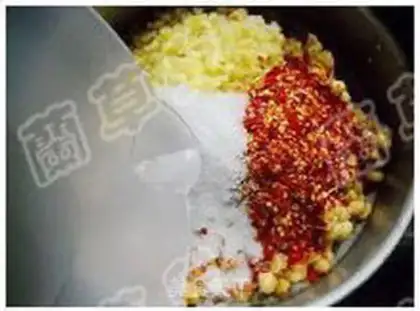
11
We'll add water to the water。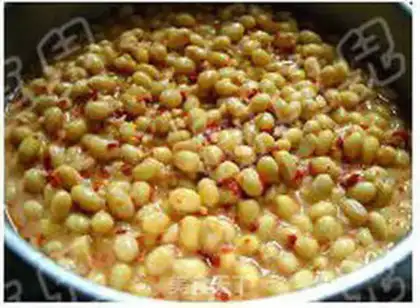
12
12. Full and even
13
13, load in the jar。
14
14. The altar is closed; water is pouring into it to keep it warm. The fermented beans are re-fermented and can be eaten in 10-20 days。Baekya Make Tips
Friendly Tips: 1. Let the cooked beans cool down, place them in a container, and ferment naturally. When the beans become sticky and slimy, you can add the seasonings and mix them well. 2. Due to the lower temperature this year and no additional heating, the fermentation time is slightly longer; natural fermentation took 10 days. 3. During the secondary fermentation, be sure to observe whether the water at the edge of the jar has dried up and add more at any time to avoid compromising the quality of the Laba beans. 4. The prepared Laba beans can be packed into glass bottles, sealed well, and kept away from direct sunlight; it is best to store them in a cool place or in the refrigerator. 5. If the bottle is opened but not finished, you can pour in a little sesame oil. This will not only prevent the taste from changing, but when tasted again, the flavor will be even more delicious and unique.