Spinach Hand pasta
By VicentaLakin
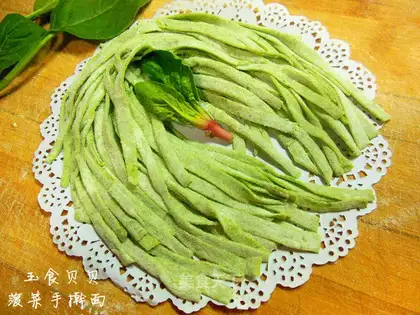
Archaeological discoveries and historical material have shown that the pasta originated in China and has a history of food production for more than 4,000 years. Noodles, a healthy health food that is simple, easy to eat and well nourished and accessible to staple foods and fast foods, have long been accepted and loved by the peoples of the world. The earliest available record on noodles was China during the East Han period. In 2005, the Institute of Archaeological Research of the Chinese Academy of Social Sciences, Ye Shigulin, a researcher, discovered over 4,000-year-old strips of over 4,000 years old, about 50 centimetres long and 0.3 centimetres wide, made of tungsten, with the earliest written and physical evidence, apparently originating in China. The pasta is used by our mothers as a child, and now I make it for the children, with eggs and spinach juice, more fully nourished, and family health is the greatest desire of mothers in the world。
Recipe Recommendations
Steps for Spinach Hand pasta
1
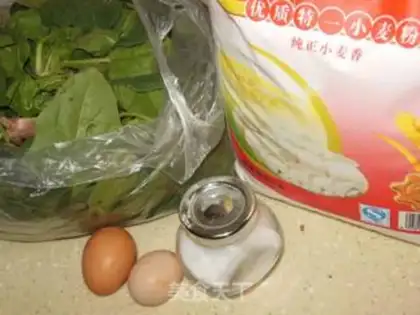
Materials: Flour 500 grams, eggs 2, salt 10 grams, spinach 100 grams, water appropriate。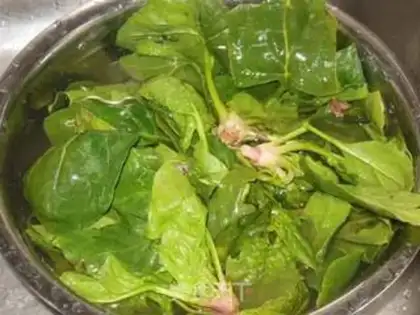
2
The spinach is clean。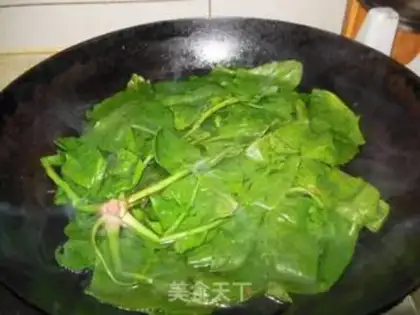
3
Scavenger spinach inhaled the boiler and removed herbic acid once。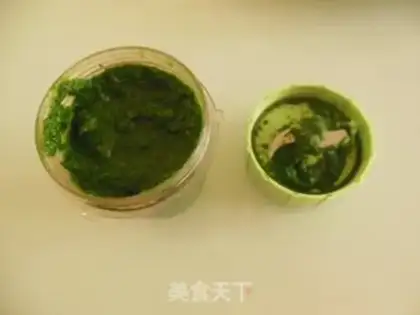
4
Spinach and 100 ml of water are added to the cuisine machine and made into gravy。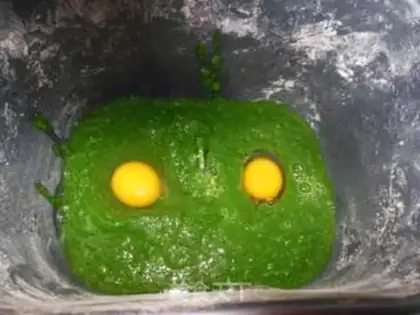
5
The spinach juice pours into the bread-crumb, and then two eggs。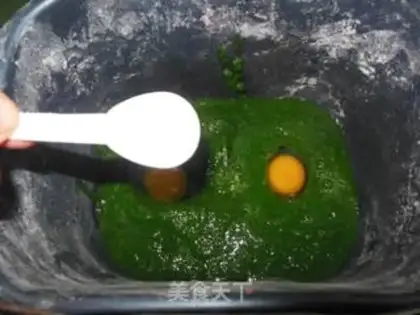
6
Add salt。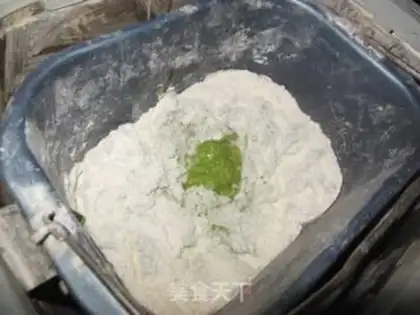
7
The addition of flour starters and flour programs can also be made by hand and pasta without a baker or a face machine。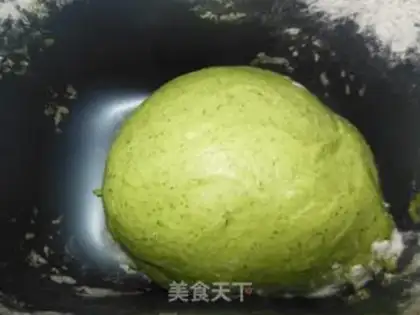
8
And a nice face becomes a smooth ball or hemispheric。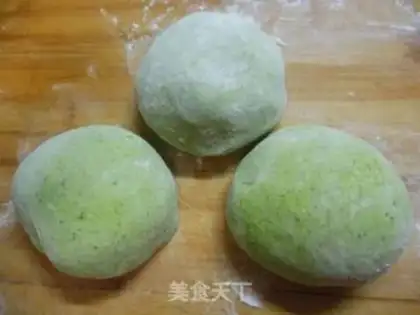
9
, and a good face, according to the size of the home panel, divided into even equals。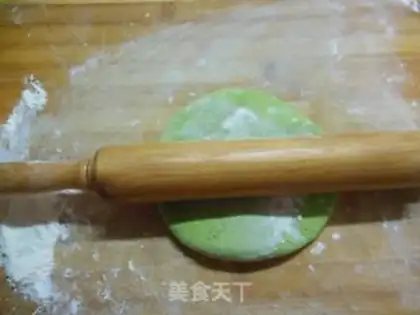
10
A piece of pasta is rolled back to the right and left with a roller stick。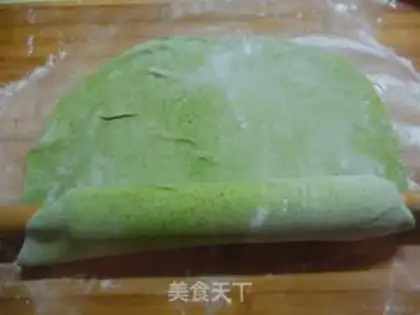
11
Some dry powder is sprayed several times to avoid adhesion。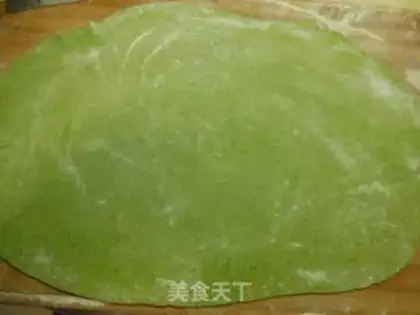
12
Nice face。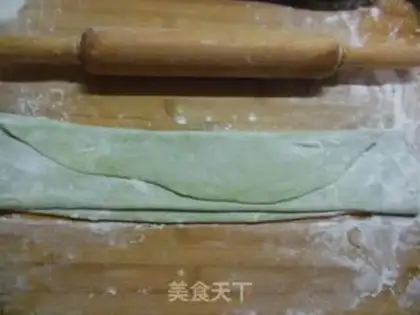
13
Crushed with a crutches, folded into a width of about 10 centimetres, and each layer folds one layer of powder。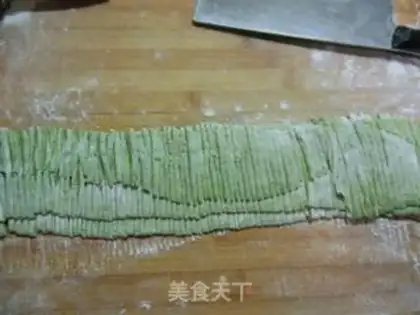
14
Cut in fine strips。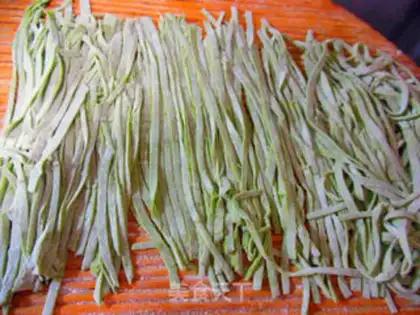
15
Pick up the upper floor and shake it gently, and the noodles will be fine, either on the board or on the scepter, waiting for the boiler。