Hokkaido
By VicentaLakin

I haven't tried to find out how nice Hokkaido toast is, and I can't believe it's so glamorous, especially if it doesn't look so ordinary to consume that extra cream, or if it happens to think about Hokkaido. Well, I can only say thank you for "if not," yes! It's really good, I must admit! This time, I'm using soup, and the bread that I put on the next day is still very soft this season, even if it's possible to pull up
Recipe Recommendations
- high powder 270 grams
- cold water 74 grams
- sugar 43 grams
- salt 4 grams
- dry yeast 5.5 grams
- whole egg liquid 43 grams
- light cream 35 grams
- milk 27 grams
- milk powder 10 grams
- soup seed 80 grams
- unsalted butter 25 grams
- milk fragrance
- baking
- a day
- simple
Steps for Hokkaido

1
18 grams of conch powder added to 74 grams of cool water, and the fire heats up to the pasta, and it becomes soup
2
Once added to the soup, it fermentes the base of the noodle to a full stage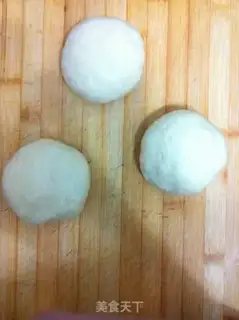
3
We'll take the air out and split it into three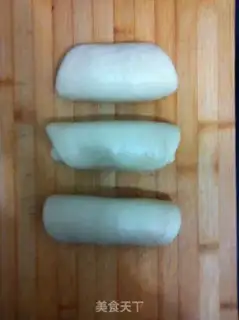
4
I'll wake up in 10 minutes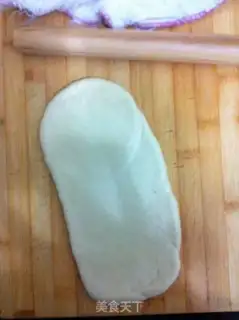
5
Scroll the rolls into an elliptical face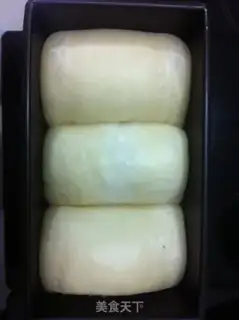
6
Ejected to a double fermentation to an eight-minute fermented pasta, placed in the middle of a preheated oven at 180 degrees and baked for 45 minutesHokkaido Make Tips
The Fourth Letter to Chinese Students: How College Years Should Be Spent
Dear students, hello everyone!
In this letter, I would like to discuss how the four years of college should be spent, hoping it will be helpful to you all.
College years are a critical stage in life. This is the time when you transition from a teenager to an adult, from campus to society. How you spend these four years will directly affect your future life and career. Here are some of my suggestions:
I. The Way of Self-Study: From Drawing Inferences to Learning Without a Teacher
In high school, teachers often hold our hands and teach us step by step. However, in college, the focus is on self-study. Professors only act as guides; the real learning depends on you. You must learn to draw inferences about other cases from one instance and eventually achieve the state of "learning without a teacher." This requires you to actively think, ask questions, and explore, rather than just passively accepting knowledge.
II. Foundational Knowledge: Mathematics, English, Computers, and the Internet
Regardless of your major, a solid foundation in mathematics, English, computer skills, and internet usage is essential. Mathematics trains logical thinking; English is a tool for global communication; computers and the internet are the infrastructure of the information age. These basic skills will be a strong support for your future learning and work, no matter how the times change.
III. Integration of Practice and Theory: "You Only Truly Understand What You Have Done"
Theory is derived from practice and must serve practice. In college, we should not be satisfied with mastering book knowledge, but actively participate in practical activities, such as experiments, projects, internships, and social practices. Through practice, you can test the truth of knowledge, discover your own shortcomings, and truly transform knowledge into ability. Remember: "You only truly understand what you have done."
IV. Cultivating Interests: Broaden Your Horizons, Set Your Ambition
College is a time to explore your potential. You should use this time to broaden your horizons, try different fields, and discover your true interests. Once you find what you love, pursue it with determination. Interest is the best teacher; it can inspire your infinite potential and make your learning and work full of motivation.
V. Being Proactive: Decisive and Responsible, Create Opportunities
In the face of opportunities, we must be proactive. Do not wait passively, but learn to create opportunities for yourself. At the same time, we must learn to be responsible for our own choices and actions. Being proactive is not only an attitude towards learning but also a necessary quality for entering society in the future.
VI. Mastering Time: Prioritize Tasks According to Importance and Urgency, Practice Self-Reflection and Self-Discipline
College life is free, but freedom requires self-discipline. You must learn to manage your time effectively, distinguish between important and urgent tasks, and arrange your time reasonably. At the same time, you must regularly reflect on your own behavior and strictly discipline yourself. Only in this way can you remain unmoved by temptations and ensure that every minute and every second is spent on meaningful things.
Finally, I hope that everyone can cherish these four precious years of college and constantly improve themselves, so that they can realize their own value and contribute to society in the future.
Sincerely,
Kai-Fu Lee