Japanese tempura, a general term for fried foods, has a history of hundreds of years. In ancient times, Japan's fried tempura only used fried seafood and fruits and vegetables as accessories and used them as side dishes. In the modern two hundred years or so, due to the continuous improvement and improvement of cooking technology and the widespread use of oil, starch, etc., fried tempura was regarded as an official and independent dish.
There are many kinds of fried foods in Japan, which can be roughly divided into four major categories, such as seafood tempura, fruit and vegetable tempura, potato tempura, and fungus tempura. However, no matter what kind of tempura is made, the principle is to repair the raw materials neatly and have the same size before starting to pickle, paste, hang paste, and fry. For example, when making the "assorted vegetable tempura" that I introduced in a previous diary, fresh hard vegetables must be cut into strips or slices and processed evenly and neatly before they can start hanging and frying.
As it has been introduced before, tempura made from assorted vegetables will not be repeated here. Today's one uses "shrimp" in seafood as a separate raw material to make tempura, so let's demonstrate the making of fried shrimp.
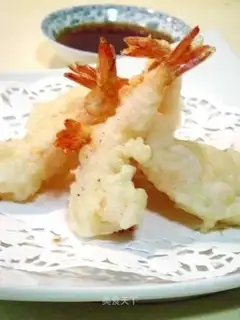
Fresh shrimp tempura
By WardWehner
Recipe Recommendations
- flour 50 grams
- corn starch 30 grams
- baking powder 2 grams
- qingshui appropriate amount
- cooking oil 15 grams
- salt 3 grams
- white pepper a little
- lemon juice a little
- salty and fresh
- fried
- three-quarters of an hour
- ordinary
Steps for Fresh shrimp tempura
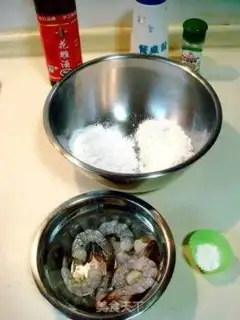
1
Main raw materials.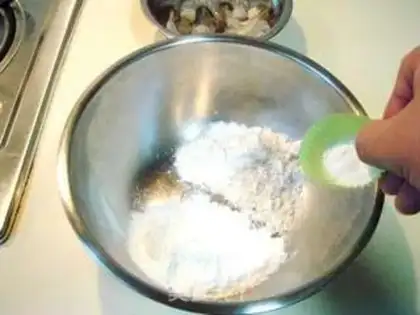
2
Mix flour and starch, and add 2 grams of baking powder.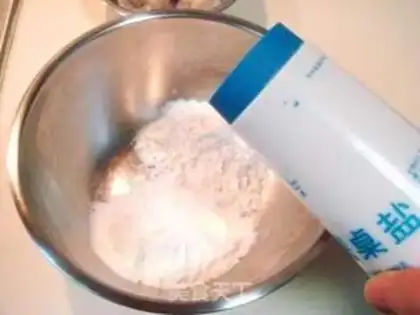
3
Add 2 grams of salt and mix well.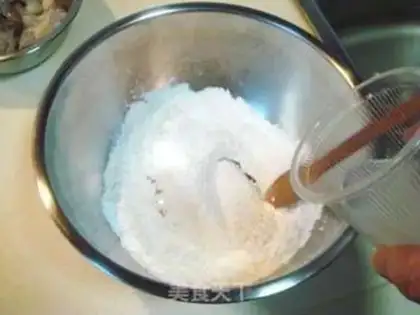
4
Pour water into the flour mixture to form a batter, which should be thicker.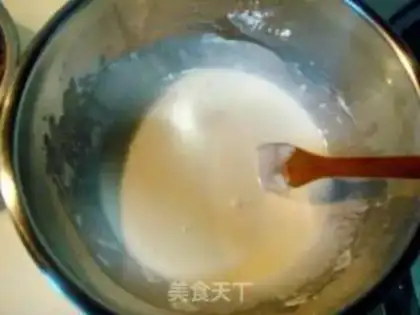
5
Add 15 grams of olive oil.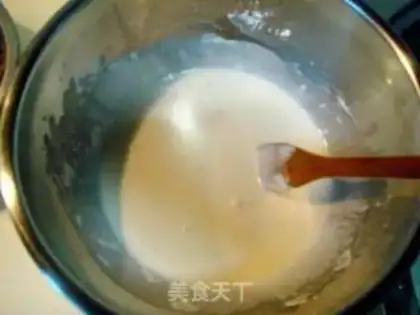
6
Use a bamboo board to stir the batter well and set aside.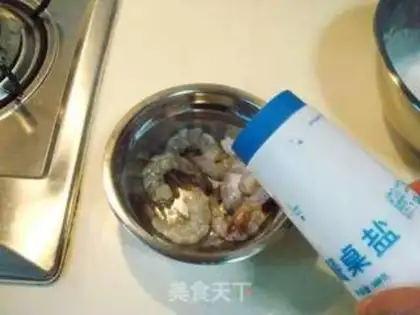
7
Add 1 gram of salt to fresh shrimp to taste.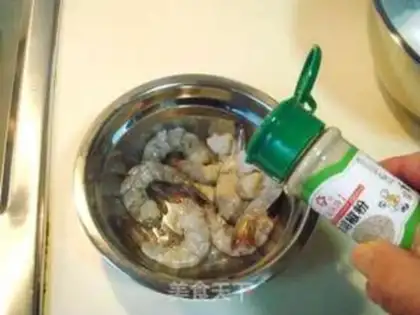
8
Add white pepper powder and rice wine into the shrimp, then grasp it well with your hands, and marinate for 10 minutes.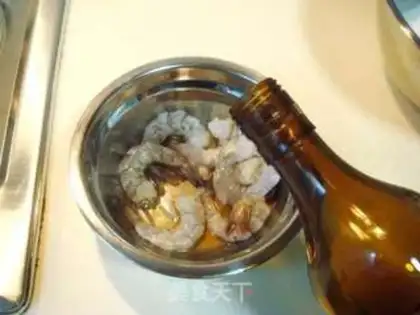
9
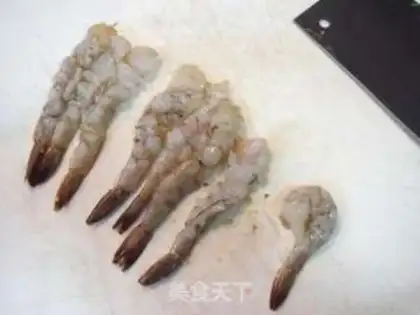
.....
10
After marinating the shrimp for 10 minutes, rinse it with clear water. Use a knife to lightly chop the shrimp's abdomen several times, but don't cut it off. Just chop the inner tendons of the shrimp so that it is not easy to curl and deform during the frying process. Then pick the shrimp line for later use.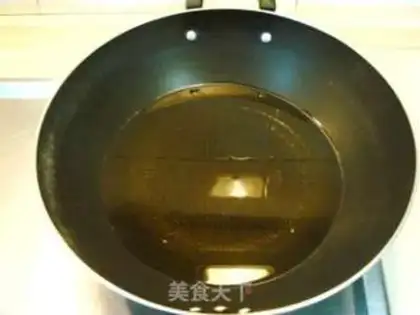
11
Pour cooking oil into the stir-fried spoon on fire, preheat it over medium to medium heat it evenly.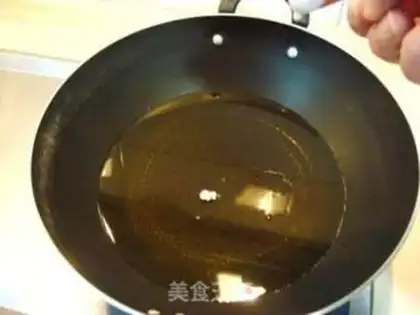
12
Use your fingers to dip a little batter into the oil pan. The batter will float quickly when it drops into the oil, proving that the temperature of the oil meets the requirements.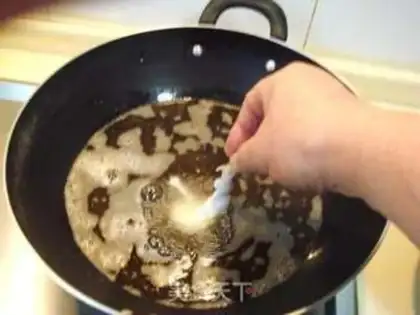
13
Then, hold the tail of the shrimp with your fingers, dip it in the batter, and place it in the oil pan to start frying the shrimp. The shrimp should be put into the pan one by one.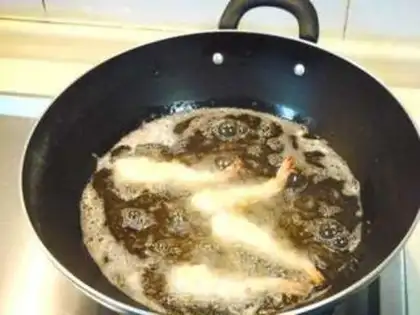
14
The temperature of the oil should always be kept at 5-6 percent heat.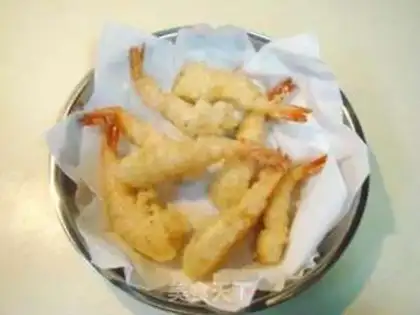
15
The standard for frying shrimps should be the most standard if the paste is white, crispy and transparent. If the oil temperature is too high, turn down the heat or leave it off for a few seconds. In short, the oil temperature must be controlled well. Put the fried shrimp into a plate covered with oil-absorbing paper to remove excess oil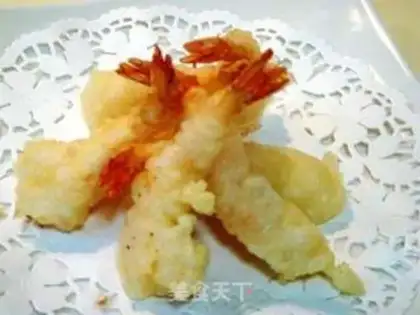
16
Put a piece of floral paper on the plate, place the fried shrimp in three-dimensional size on the plate, add a small plate of Japanese light soy sauce, and drop a few drops of lemon juice to serve on the table.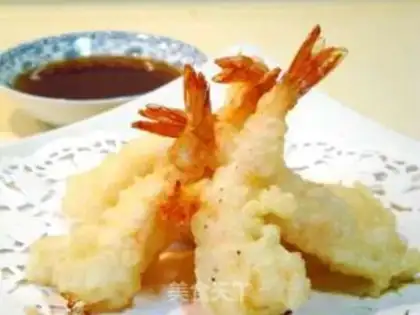
17
Characteristics of fresh shrimp tempura: the skin is white and transparent, the skin is crispy, the shrimp meat is tender and tender, and it is eaten dipped in juice. It tastes crispy and fragrant.Fresh shrimp tempura Make Tips
1. The batter should be adjusted to the right consistency; dip a finger in it, and it should feel sticky.
2. When scoring the shrimp, aim to sever the internal tendons without cutting all the way through. A knife depth of 2mm is ideal. Then, lightly pound the shrimp body with the back of the knife to loosen the meat, making it easier to cook and less likely to deform.
3. When frying, coat the shrimp evenly with batter and place them into the pot one by one. Do not grab them by the handful or fry too many at once; it is best if the shrimp in the pot do not touch or crowd each other.
4. The color of the fried shrimp is the most important factor; the finished product should be pure white and translucent. Therefore, the batter and oil temperature must be well controlled. Although this fried delicacy is simple, the steps are very important.