Spicy sauerkraut
By VicentaLakin
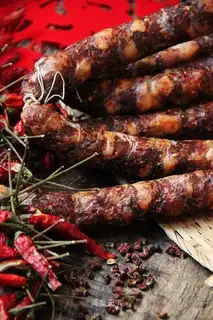
A string of freshly refilled sausages hanging there constitutes a traditional “yearly painting” of the ocean, which is homey, and more of a year。
Recipe Recommendations
- pig's buttocks 4000 grams
- salt 80 grams
- dried chili 150 grams
- pepper 50 grams
- the pepper 5 grams
- white sugar 10 grams
- high-alcohol liquor 80 ml
- light soy sauce 30 ml
- pickled casing appropriate amount
Steps for Spicy sauerkraut
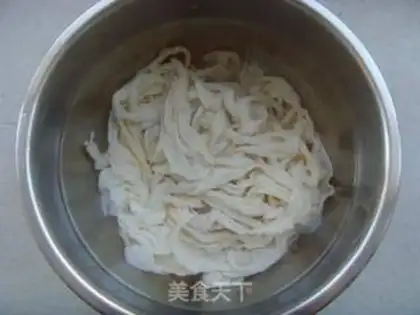
1
The pickled intestines were immersed with water for 30 minutes, repeated three to four times, washing the salt of the surface and water preparation。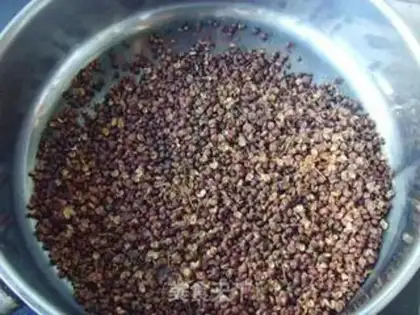
2
Pires, peppers, peppers dry, a little fire with a hot fragrance。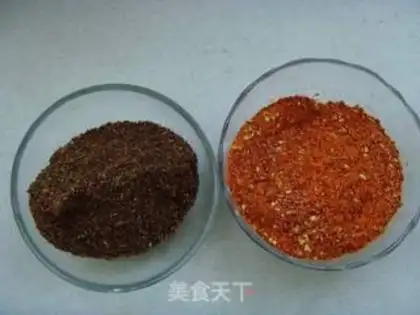
3
(b) Manual grinding in powder form。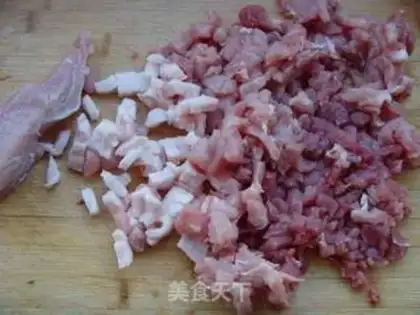
4
Pork cut into small particles。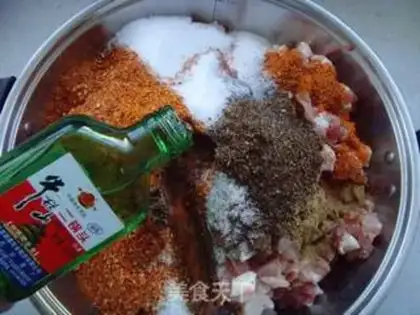
5
Salt, sugar, pepper paste, pepper paste, pepper paste, raw smoke, and white wine are then transferred into the meat grain。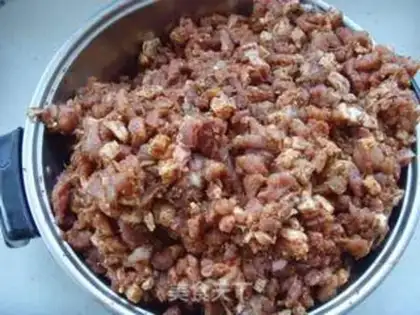
6
Smash it evenly and cover membrane pickles for one hour。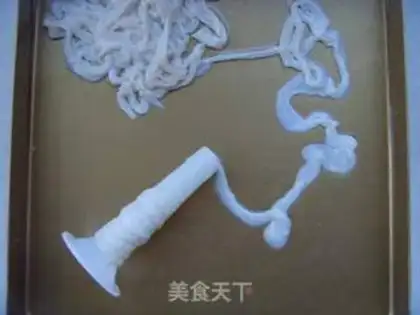
7
Put the intestines inside the enema, leave a little, and seal them。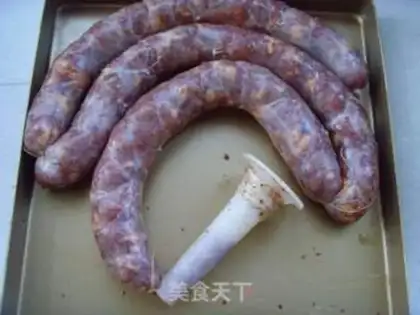
8
Placing meat in a funnel, crushing it into a soft intestine coat, tightening it with cotton wires every other time。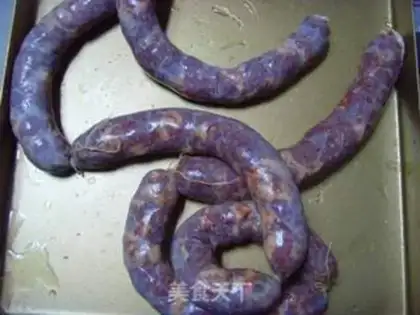
9
When the whole sausage is filled, the hot water washes the surface, and a few small holes are put on the sausage surface with toothpicks to facilitate air flow。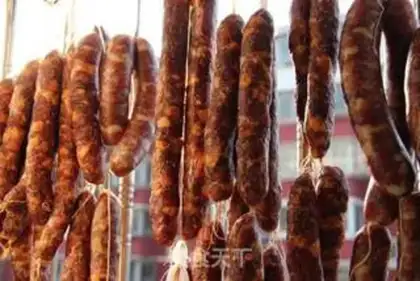
10
Lean it in the cool air, avoid direct sunlight and dry it naturally。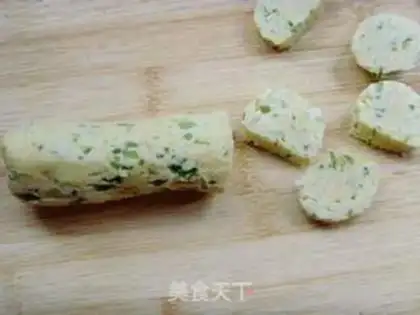
11
Some 7-10 days later, either steamed or cooked or sliced。Spicy sauerkraut Make Tips
1. Processed sausages generally use pork, especially the hind legs and front shoulder meat are the best. This is because the meat from these parts is lean and has a firm texture. The ratio of lean meat to fat meat for processed sausages is generally 3:7 or 2:8, resulting in a tight meat texture where the lean meat is not tough and the fat meat is not greasy.
2. Casings are mostly cured and dried, and can be purchased online or at meat stalls in markets. The casings need to be washed with water to remove the salt on the surface; adding some white liquor to soak them can remove any gamey smell and make the sausages more fragrant.
3. After seasoning, you can first cook a small piece to taste the flavor, which ensures better results. Choose extra numbing, medium numbing, or mild numbing according to your personal preference.
4. Before seasoning, roast the chili peppers and Sichuan peppercorns over low heat first to bring out their aroma; the flavor will be better if used this way.
5. The seasoned meat must be mixed evenly to ensure it absorbs the flavors properly.
6. When stuffing the meat into the casing, use your hands to continuously push it down to fill the casing. This process is quite labor-intensive, so using a sausage stuffing tool will save effort. When the casing is nearly full, use chopsticks to push the meat particles inside to ensure the casing is plump from top to bottom, then tie and seal the casing.
7. Once the sausage is stuffed, use cotton thread to divide it into sections, tying tightly between each section. Prick some small holes on the surface of the sausage with a toothpick to allow air circulation; otherwise, the sausage is likely to burst during cooking.
8. Hang the finished sausages in a cool, ventilated place away from direct sunlight to prevent spoilage. Once the moisture has evaporated and the surface starts to wrinkle, they are ready to eat. If dried for too long, the sausages will dehydrate and the texture will become too dry.
9. Once you master the method for making spicy sausages, you can easily adapt it. By omitting chili peppers and Sichuan peppercorns and increasing the proportion of sugar, you get the classic Cantonese sausage. Regardless of the type of sausage, it is recommended to keep the ratio of fat to lean meat at 3:7. This yields sausages that are tender and juicy, with a texture that is not dry whether steamed or stir-fried.
10. If possible, smoke the sausages with wood sawdust and pine branches to enhance their aroma.