In the golden autumn of October, the fruits are fragrant. During this harvest season, activities in the world of delicious food have emerged one after another, constantly bringing surprises to all gourmets, and the third season theme competition-Shanzhen and Haiwei has attracted worldwide attention.
Shanzhen and seafood are precious and rare foods produced in the mountains and seas. They are a high-quality part of food. Bear's paw, bird's nest, shark fin, sea cucumber, etc., often played the leading role in ancient recipes.
Today, Chef Jing recommends a delicious delicacy that is delicious and nutritious-Shoushou Noodle Crab.
If you like it, remember to cast your precious vote to show your support. Thank you!
Chaoshan longevity noodle crab
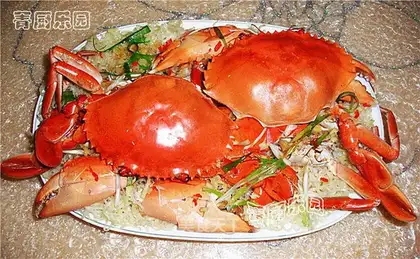
Recipe Recommendations
- slightly spicy
- steamed
- ten minutes
- senior
Steps for Chaoshan longevity noodle crab
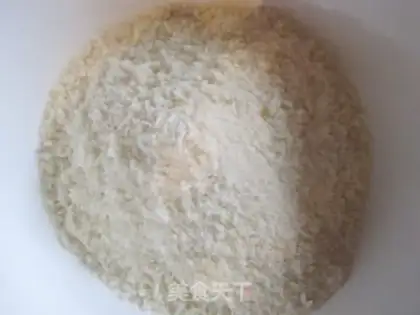
1
Prepare fresh crabs;(When you buy live crabs in your hometown, the merchants will help you handle them, so it is more convenient)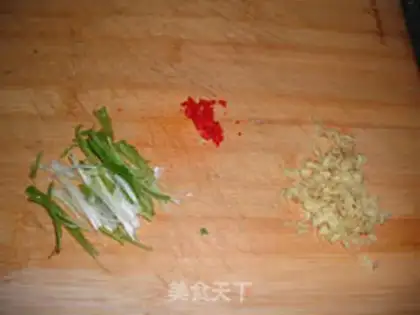
2
Wash the chives and shred them; remove seeds and dice the red peppers; dice the ginger and garlic for later use;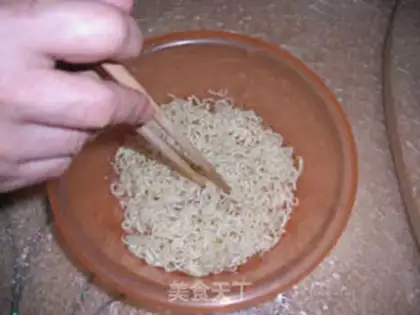
3
Soak the noodles in water for about 4 minutes, then break up and drain the water droplets;((It is best to roll the noodles in bulk, which is similar to instant noodles. This kind of noodles will not taste smooth, but will be more tough and have an excellent taste)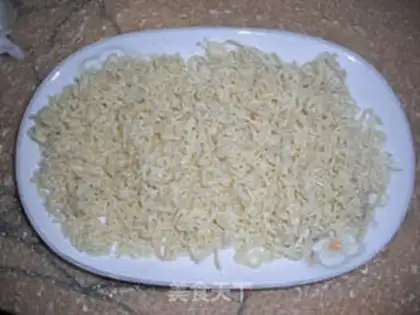
4
Lay the noodles on a plate;(I prefer to eat the noodles made in this way, so I made more, and usually only one side will do.)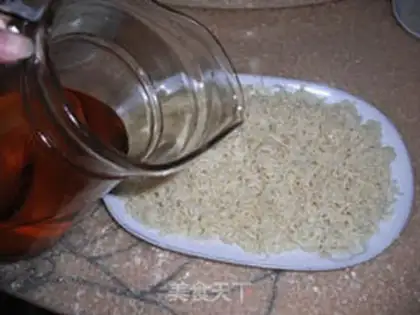
5
Spread appropriate amount of peanut oil evenly on the surface;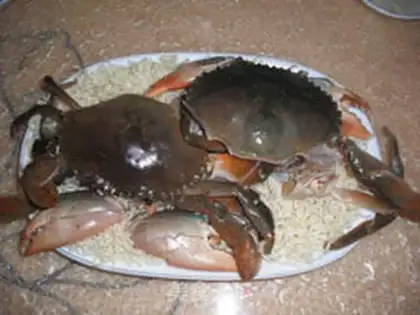
6
Then lay the crabs flat on top.
7
Boil water in a steamer, put in the longevity crab, cover the lid and steam for about 15 minutes;(Determine the steaming time according to the size of the crab)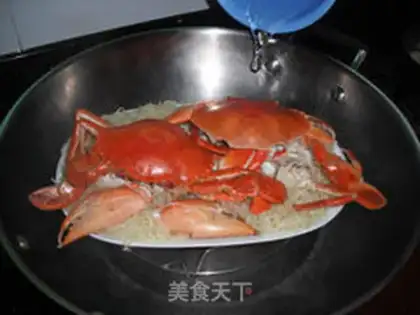
8
After steaming the longevity noodles crab, open the lid and pour cold water around the pan, so that the hot longevity noodles crab can be taken out as soon as possible to avoid being smoked and painful by the heat;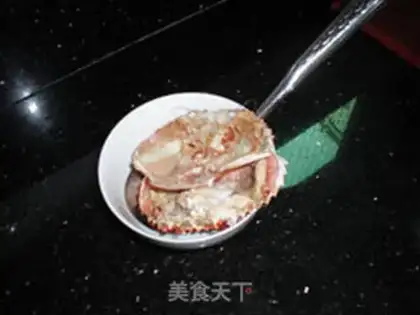
9
Remove the crab shell;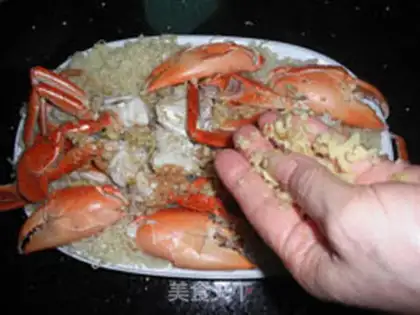
10
Sprinkle ginger and minced garlic evenly on the hot longevity crab;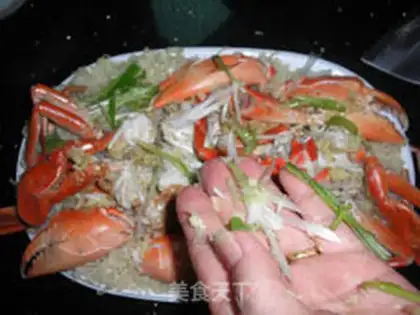
11
Sprinkle with shredded chives evenly;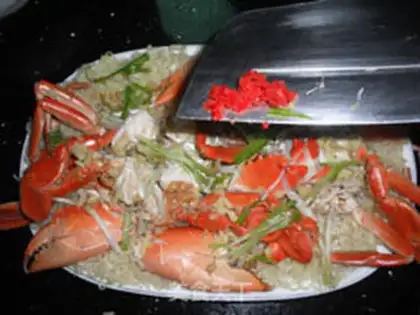
12
Then evenly sprinkle with shredded red pepper;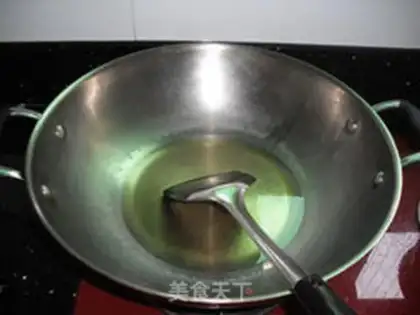
13
Pour appropriate amount of peanut oil into the pan and heat it;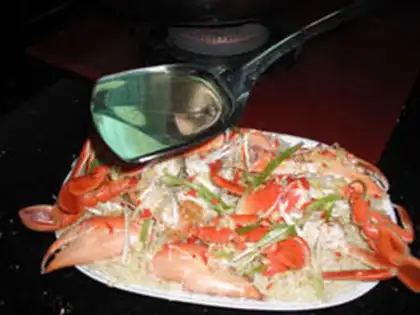
14
Pour the hot cooked oil evenly on the longevity noodle crab, so that the garlic and ginger, shredded chives, and shredded peppers give off a fragrance and dissolve in the longevity noodle crab;
15
Then evenly sprinkle with appropriate amount of delicious soy sauce;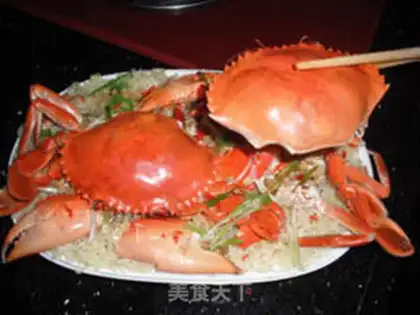
16
Finally, cover the crab shell in place and serve.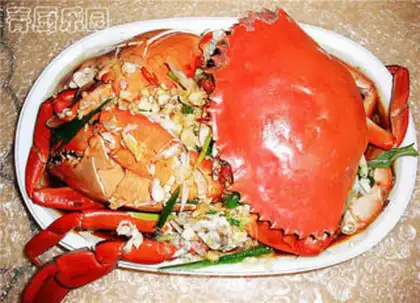
17
The picture below shows a particularly large crab that was bought later, nearly 3 kilograms. The merchant said that it was rare to have such a big crab. The day before, a crab more than 3 kilograms was bought by someone else. There is a lot of big crab meat. The plate is full, and the noodles absorb the nutritious and delicious crab juice. The whole plate of Shouqian noodles crabs is really delicious! Ouch ~ I'm almost drooling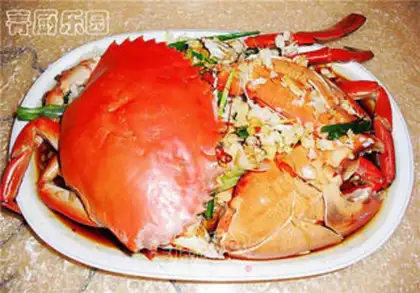
18
Crabs are cold in nature and salty in taste, and belong to the liver and stomach meridians; crabs are rich in protein and trace elements, which have a good nourishing effect on the body. Crabs also have anti-tuberculosis effects, and eating crabs is of great benefit to the recovery of tuberculosis. Crabs have the effects of clearing heat and detoxifying, replenishing bones and marrow, nourishing muscles and bones, activating blood circulation and eliminating phlegm, removing dampness and removing yellow, benefiting limbs, nourishing liver yin, and replenishing gastric juice; it has certain therapeutic effects on congestion, jaundice, waist and leg pain, and rheumatoid arthritis.Chaoshan longevity noodle crab Make Tips
When purchasing crabs, be sure to pay attention to their freshness. Crab meat is delicious and nutritious, but do not buy dead crabs, especially river crabs. Also, be sure to cook them thoroughly to kill any bacteria contaminating the inside and outside of the crab. Because crabs prefer to eat decaying matter such as animal carcasses, their digestive tracts often contain pathogenic bacteria and toxic substances; once they die, these bacteria multiply rapidly. Additionally, crabs contain a high amount of histidine. Histidine easily decomposes and can produce histamine and histamine-like substances under the action of decarboxylase. This is particularly the case after the crab dies, as histidine decomposes even more rapidly. The longer the crab has been dead, the more histamine accumulates in the body, and when histamine reaches a certain level, it causes poisoning. People who usually have a "deficiency cold" in the spleen and stomach, loose stools, vague abdominal pain, are recovering from a wind-cold cold, have a history of wind disorders, or suffer from stubborn skin itching should avoid eating crabs. Women with excessive menstrual bleeding, dysmenorrhea, or who are pregnant should avoid eating crabs, especially the crab claws. Crabs should not be eaten together with sweet potatoes, pumpkins, honey, oranges, pears, pomegranates, tomatoes, muskmelons, peanuts, snails, celery, persimmons, rabbit meat, Schizonepeta, or soft-shelled turtles, as it can lead to food poisoning. Do not drink cold beverages while eating crabs, as it can lead to diarrhea.